Service
Bulk & Wholesale for leather goods
Volume production on styles that have already been approved. Capacity is planned against your delivery date, the leather for the whole run is booked up front so the colour holds, quality is checked in-line rather than at the end, and the goods leave export-packed with the full document set.
- Capacity: 60,000+ pcs / month
- Bulk lead time: 30–45 days
- MOQ: From 100 pcs per design
- Final inspection: AQL 2.5, 1.5 on request
- Capacity
- 60,000+ pieces / month
- MOQ
- From 100 pieces per design
- Sampling
- Samples in 7–12 days
- Production
- Bulk in 30–45 days
- Reach
- Exporting to 55+ countries
- Team
- 180+ skilled artisans
What's included
What Bulk & Wholesale covers, and what it does not
Bulk is a logistics and consistency problem more than a making problem. The failures that hurt a seasonal buy are a dye lot that steps halfway through the run, a carton spec the retailer rejects, or a document that holds the container at the port — so those are the things this service is built around.
- Capacity
- 60,000+ pcs / month
- Bulk lead time
- 30–45 days
- MOQ
- From 100 pcs per design
- Final inspection
- AQL 2.5, 1.5 on request
What we do
Inside the quoted price
- Plan capacity against your delivery date and confirm a written production schedule
- Book the leather and hardware for the whole run so colour and plating stay consistent
- Run a pilot or size set at the head of the line before committing to full cutting
- Check in-line at cutting, stitching and finishing instead of inspecting only at the end
- Run a final random AQL inspection with a photo report before anything is packed out
- Export-pack: polybag, inner box or tissue, marked master cartons, palletised on request
- Issue the full export document set and co-ordinate with your nominated forwarder
- Schedule repeats from the stored pattern, dies and sealed sample without a development round
What you provide
To start the job
- A confirmed purchase order with the style, colour and size split
- The approved sealed sample, or confirmation that ours on record still applies
- The advance payment, which is what releases material booking
- Destination port or city, incoterm, and your consignee and forwarder details
- Carton, label and barcode specification, including any retailer or marketplace prep rules
- The delivery date you are working back from, and whether it is in-store or ex-factory
What you receive
Deliverables
- A written production schedule with the material booking and inspection dates on it
- Lot swatch approval before cutting on colour-critical programmes
- In-line check reports during production rather than silence until the end
- A final AQL inspection report with photographs before dispatch
- Goods packed to your carton spec, marked and palletised as agreed
- Commercial invoice, packing list, bill of lading or air waybill and certificate of origin
Compare
Bulk & Wholesale against our other four services
All five run through the same factory, the same artisans and the same inspection. What changes is who owns the design, how much set-up it needs and how fast you can be in market.
OEM Manufacturing
- Whose design
- Yours, to your tech pack
- Tech pack needed
- Yes, or a counter-sample
- Typical MOQ
- From 100 pcs per design
- First sample
- 7–12 days (pre-production sample)
- Branding depth
- Exactly as specified, incl. nominated hardware
- Lead time
- 30–45 days after the sealed sample
- Best for
- Brands with their own designs, materials and QC standard
Private Label
- Whose design
- Ours, already proven in production
- Tech pack needed
- Not needed
- Typical MOQ
- From 100 pcs per design, colours mixable
- First sample
- 7–12 days, branded
- Branding depth
- Logo, colour, lining, hardware, packaging
- Lead time
- 30–45 days after sample approval
- Best for
- Launching or extending a range without design work
Custom Branding
- Whose design
- Either — applied to any order
- Tech pack needed
- Logo artwork only
- Typical MOQ
- Follows the product MOQ
- First sample
- Strike-off alongside the sample
- Branding depth
- Every method we offer, on any surface
- Lead time
- Inside the production window
- Best for
- Putting a consistent mark across a whole range
Sampling & Prototyping
- Whose design
- Yours, developed with us
- Tech pack needed
- A sketch or a sample is enough
- Typical MOQ
- One sample
- First sample
- 7–12 days, plus a revision round
- Branding depth
- Proofed on the sample as a strike-off
- Lead time
- 7–12 days per round
- Best for
- Proving a new product before committing to a run
- This service
Bulk & Wholesale
- Whose design
- Already approved and sealed
- Tech pack needed
- Sealed sample is the spec
- Typical MOQ
- From 100 pcs, colours mixable
- First sample
- Not applicable — the sealed sample stands
- Branding depth
- Repeat of approved branding and tooling
- Lead time
- 30–45 days from material booking
- Best for
- Repeat volume, seasonal buys and tenders
| OEM Manufacturing | Private Label | Custom Branding | Sampling & Prototyping | This serviceBulk & Wholesale | |
|---|---|---|---|---|---|
| Whose design | Yours, to your tech pack | Ours, already proven in production | Either — applied to any order | Yours, developed with us | Already approved and sealed |
| Tech pack needed | Yes, or a counter-sample | Not needed | Logo artwork only | A sketch or a sample is enough | Sealed sample is the spec |
| Typical MOQ | From 100 pcs per design | From 100 pcs per design, colours mixable | Follows the product MOQ | One sample | From 100 pcs, colours mixable |
| First sample | 7–12 days (pre-production sample) | 7–12 days, branded | Strike-off alongside the sample | 7–12 days, plus a revision round | Not applicable — the sealed sample stands |
| Branding depth | Exactly as specified, incl. nominated hardware | Logo, colour, lining, hardware, packaging | Every method we offer, on any surface | Proofed on the sample as a strike-off | Repeat of approved branding and tooling |
| Lead time | 30–45 days after the sealed sample | 30–45 days after sample approval | Inside the production window | 7–12 days per round | 30–45 days from material booking |
| Best for | Brands with their own designs, materials and QC standard | Launching or extending a range without design work | Putting a consistent mark across a whole range | Proving a new product before committing to a run | Repeat volume, seasonal buys and tenders |
Choose bulk when the style has been sampled and signed off and the questions that remain are price per piece, delivery date and consistency. If the style has never been sampled, do not start here — an unsampled bulk order is where the expensive surprises live.
Timeline
Bulk & Wholesale, stage by stage
The 30–45 day production window starts when the material is booked, not when the enquiry arrives. These are the stages inside it.
- 1
Purchase order and schedule
1–2 days after the advanceOrder confirmed against the sealed sample, capacity allocated, and a written schedule issued with material booking, line dates and the inspection date on it.
- 2
Material booking and cutting plan
Typically 5–10 daysLeather for the entire run bought from one lot wherever possible, hardware blocked, and a cutting plan built around hide grade and panel size to protect yield.
- 3
Pilot run and size set
Head of the lineA small quantity runs the full process first. It proves the cut, the stitch settings and the branding position at line speed, and it is checked against the sealed sample before volume starts.
- 4
Bulk production with in-line QC
Most of the 30–45 daysCutting, splitting, skiving, stitching, edge finishing, hardware fitting and branding, with checks at each stage: panel shade match, stitch pitch and backstitch, edge paint coverage, hardware function.
- 5
Final AQL inspection
Typically 2–3 daysRandom sampling against the standard AQL tables at 2.5 for major and minor defects, 1.5 on request, judged against the sealed sample and the agreed defect classification, with a photo report.
- 6
Export packing, documents and dispatch
Before dispatchPolybagging, labels and tickets, inner boxes, marked master cartons, palletising where asked, then the document set issued and the container or air shipment handed to your forwarder.
Every order also passes through the same six production stages on the floor — see the full factory process or how quality is checked.
Capabilities
How consistency and documentation are actually controlled
Anyone can quote a lead time. What decides whether a bulk order lands is the material booking, the inspection standard and the paperwork, so here is how each is handled.
- Single-lot material booking
- Yield-planned cutting
- Pilot run before volume
- In-line stage checks
- Final AQL inspection
- Photo reports
- Export carton marking
- Staggered dispatch on request
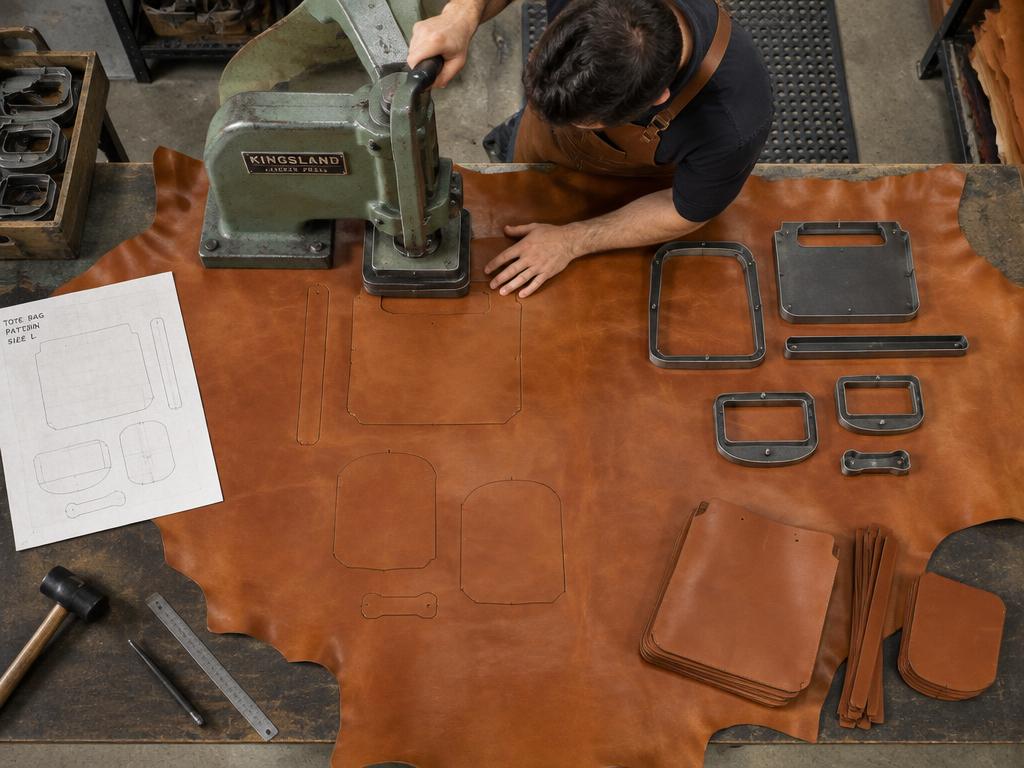
Leather panels being die-cut in volume on a clicker pressYield depends on hide grade and panel size, which is why it moves the price per piece. 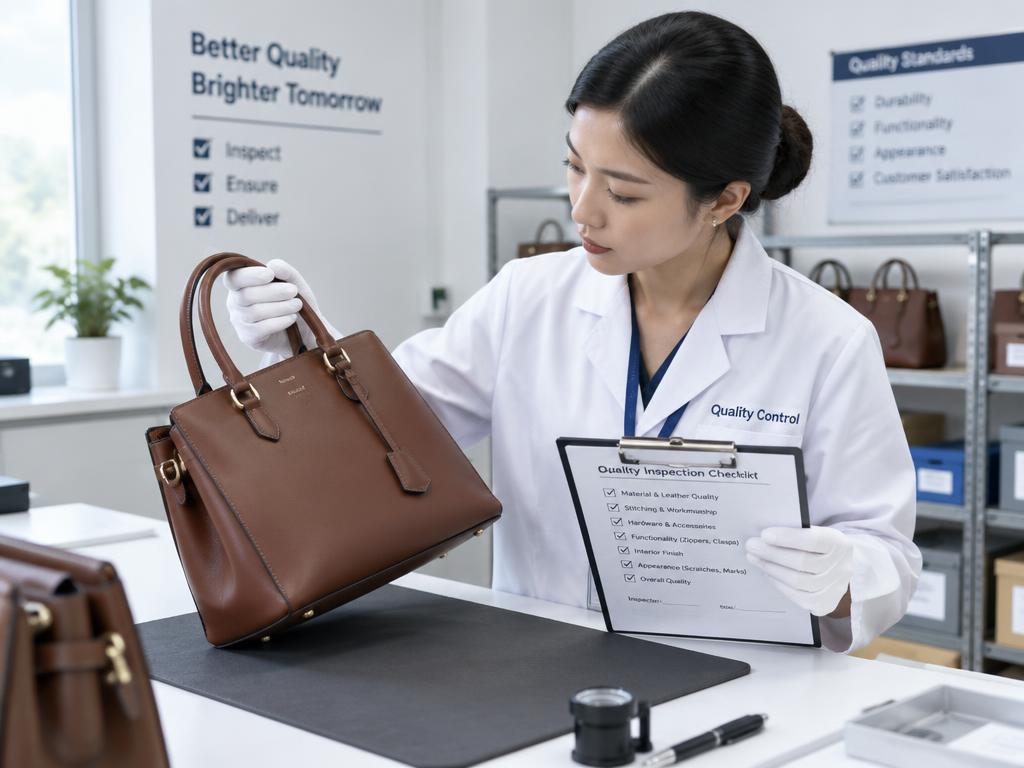
Final quality inspection of packed leather goods before exportRandom sampling against the sealed sample, with a photo report issued before dispatch. 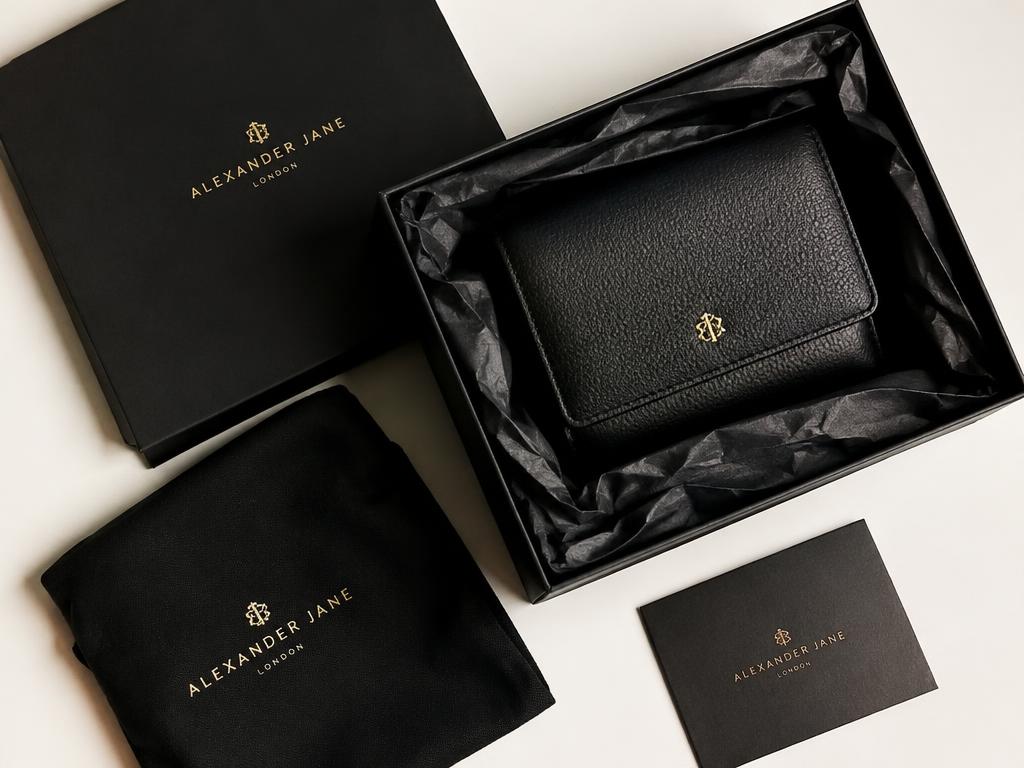
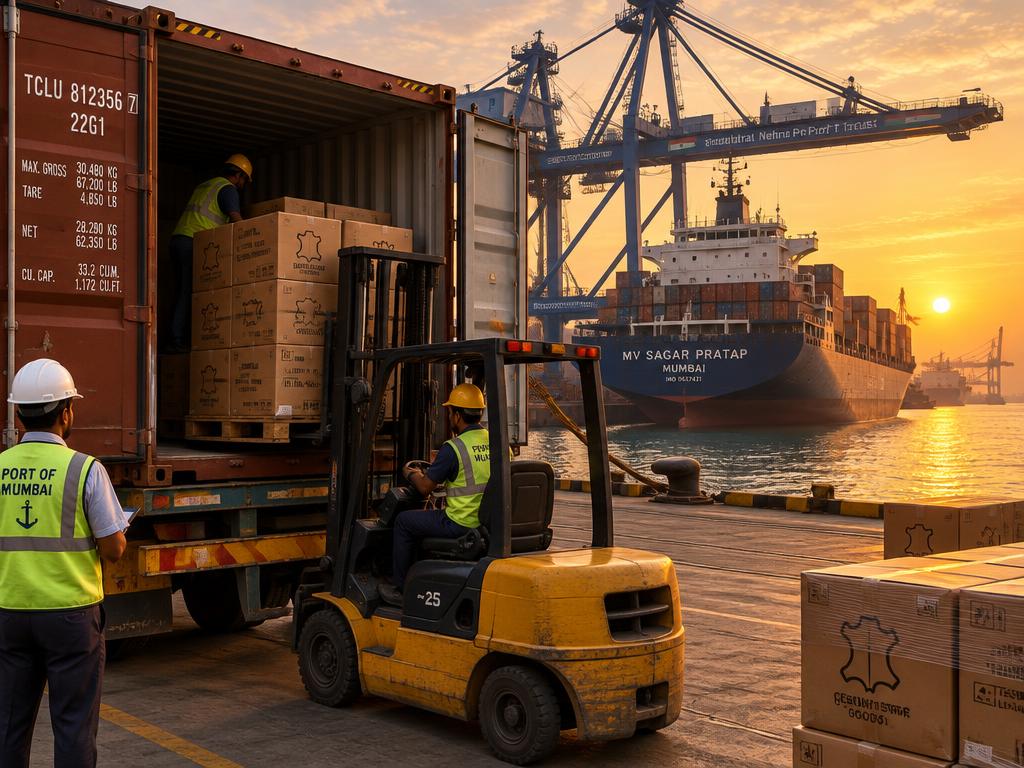
Leather goods being polybagged and boxed for retail deliveryPacked to your spec: tickets, barcodes, inner boxes and carton content labels. Export containers of leather goods loading at an Indian portFOB, CIF or DDP, handed to your nominated forwarder with the full document set.
- Capacity and scheduling
- 60,000+ pieces a month across all lines with 180+ artisans. Capacity is allocated when the advance clears, so book early if you are feeding a Q4 retail delivery — the slots nearest a seasonal peak go first and no factory can conjure a line out of nothing in week three.
- Material consistency
- Leather is bought as hides from a lot. Booking the full requirement up front keeps the dye lot together; splitting a programme across months risks a visible shade step mid-run. Expect a tolerance between lots on aniline, pull-up and vegetable-tanned articles, and use pigmented leather or PU where the shade has to be tight.
- Cutting and yield
- Clicker press with steel-rule dies for volume, with hand clicking around natural hide marks on the panels that show. Cutting yield depends on hide grade and panel size, and it is one of the real drivers of price per piece — a large single-panel body costs more in leather than the same area cut as small parts.
- In-line quality control
- Checks at cutting (panel size, shade match within a piece), at stitching (pitch, backstitch, bar tacks, seam alignment) and at finishing (edge paint coverage, hardware function, cleanliness). Catching a stitch setting on day two is the difference between a rework and a rejected lot.
- Final inspection
- Random sampling to the standard AQL tables at 2.5 for major and minor defects, 1.5 on request, with your defect classification if you have one. Photo report before dispatch. Your own inspector or a third-party agency is welcome — their fee is yours, and we would rather you sent one.
- Export packing
- Each piece polybagged, with a suffocation warning where the destination requires it, inner box or tissue as specified, then master cartons. Cartons are typically kept under about 20 kg so they can be handled single-person, and are marked with your brand, SKU, colour, quantity, carton number and gross and net weight. Palletising and strapping on request.
- Documentation
- Commercial invoice, packing list, bill of lading or air waybill and certificate of origin as standard, plus any preference or origin documents your import regime needs. Confirm current eligibility and duty treatment with your own customs broker — rules change and we will not guess on your behalf.
- Incoterms and payment
- FOB, CIF or DDP. Typically 30–50% advance with the balance before dispatch; the advance is what releases material booking, so it sets the start of the production window. Inside India, a GST invoice and e-way bill.
- Transit planning
- Sea transit varies by lane and air freight typically runs 3–7 days. Work your date backwards: in-store date, minus transit for your lane, minus 2–3 days inspection, minus the 30–45 day run, minus material booking. Per-country transit estimates are on our market pages.
MOQ is per design and colours can be mixed within a style, which is why a bulk programme across several SKUs is often easier to schedule than a single enormous one-colour run.
Material options and tannages are set out on our genuine leather, PU leather and vegan leather pages, and per-country transit times and incoterms on our export market pages.
Who it's for
Who chooses Bulk & Wholesale
Volume buyers have different pressures. These are the briefs that arrive, and what each one is really optimising for.
Retail chains and department stores
A seasonal buy with a drop date, a carton and label specification from the distribution centre, and an AQL written into the order. The date is the hard constraint, not the price.
Importers and wholesalers
Repeat volume on proven styles. Price per piece and dye-lot consistency across repeats decide whether the programme stays, and they want the same article reproduced next year.
Corporate gifting at scale
An annual programme on one or two SKUs with a single logo, often delivered to several cities or offices rather than one port.
Marketplace and e-commerce sellers
Restocking against sales velocity, so lead time predictability and prep-compliant packing matter as much as the unit cost.
Promotional suppliers on a tender
A fixed quantity, a fixed budget and a deadline set by someone else. They need a firm commitment on the dispatch date before they can bid.
Electronics and device OEMs
Case and cover volumes tied to device production runs, with call-off deliveries and an identical article every time.
Brief checklist
- The approved sample or style reference, or a note that we hold the sealed sample
- Target quantity with the colour and size split
- Leather type or the landed price point you need to reach
- Branding artwork as vector, if the branding is changing from the sealed sample
- Packing and label requirements, including any retailer or marketplace prep spec
- Target delivery date and the destination port or city, with your incoterm
Bulk enquiry
Send the quantity and the delivery date, and we will work the schedule backwards
You will get a production window, an inspection date and an honest answer on whether your date is reachable.
Product lines
Product lines most ordered through Bulk & Wholesale
MOQ across these lines runs 200–500 pieces per design. Every product page carries its own styles, materials and minimum.
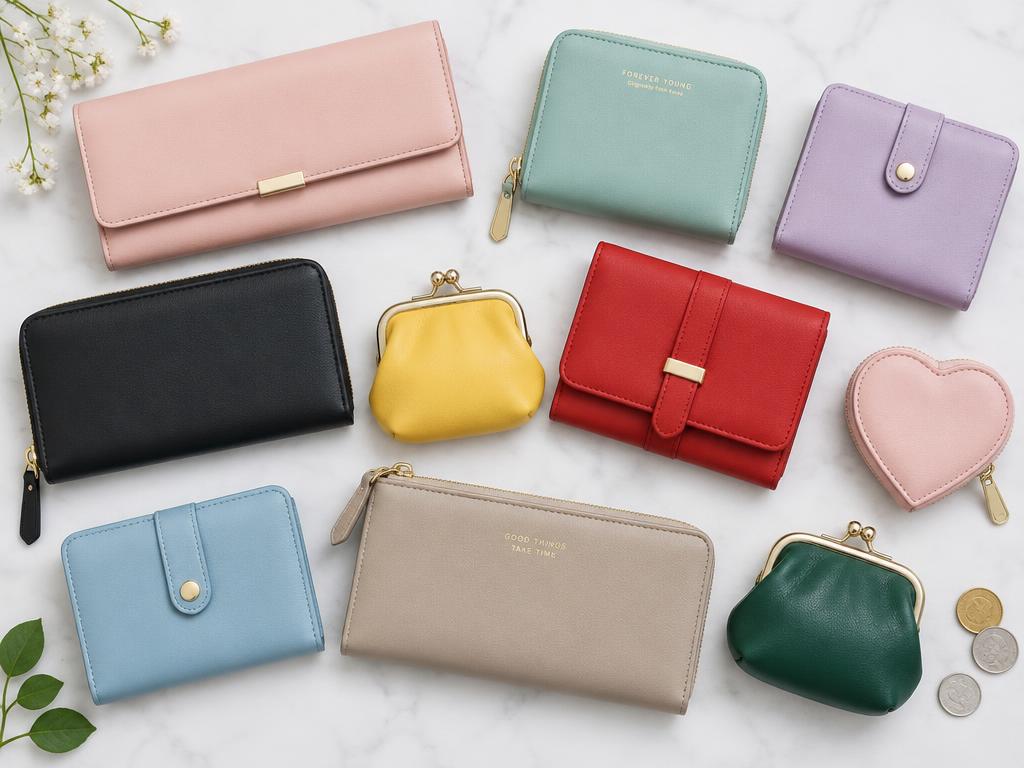
Small Leather Goods
PU Leather Wallets
MOQ 500 pcs · ladies clutch wallet, bifold
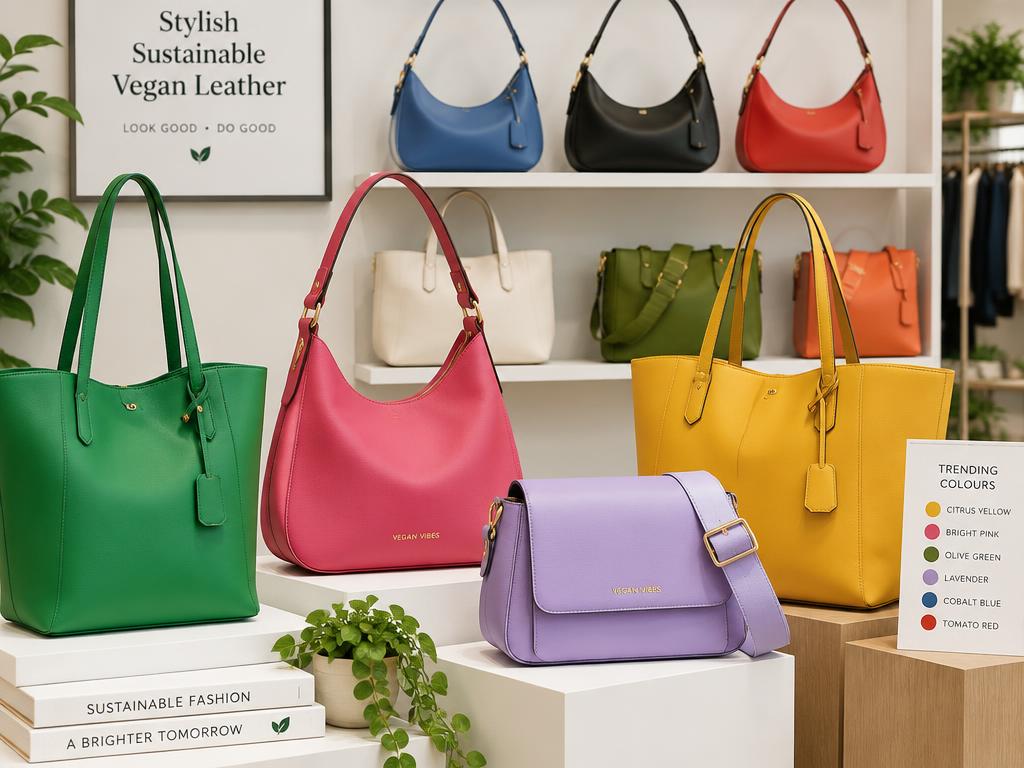
Bags
PU Leather Bags
MOQ 300 pcs · vegan tote, shoulder bag
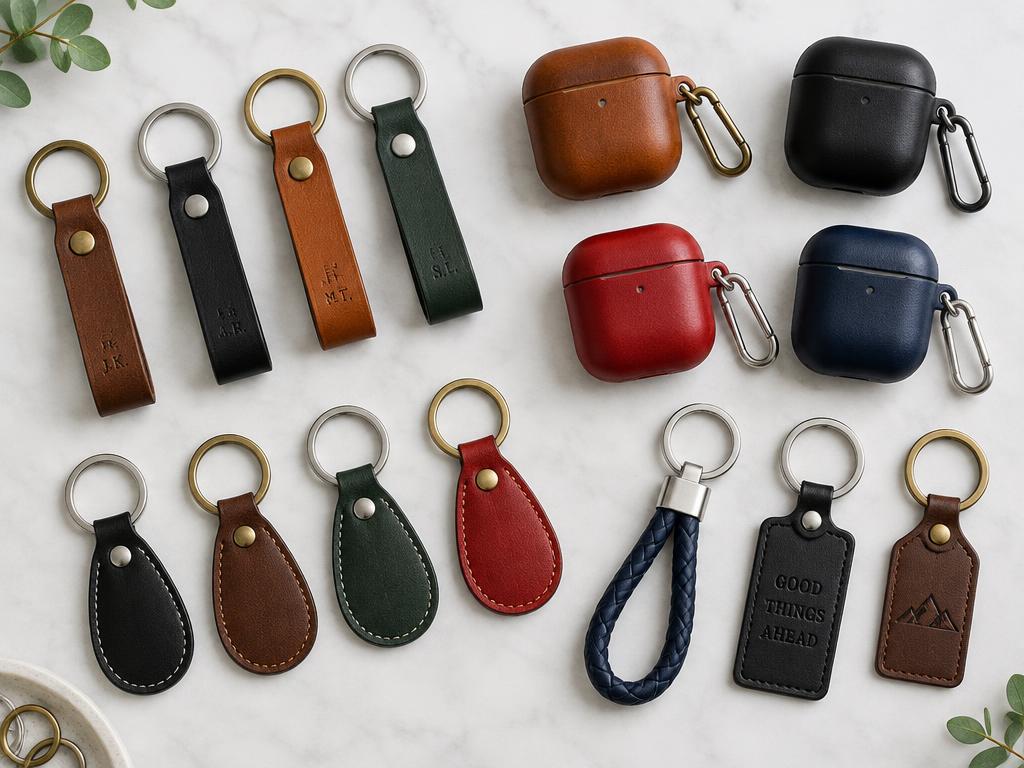
Small Leather Goods
Leather Keychains
MOQ 500 pcs · loop key fob, key holder
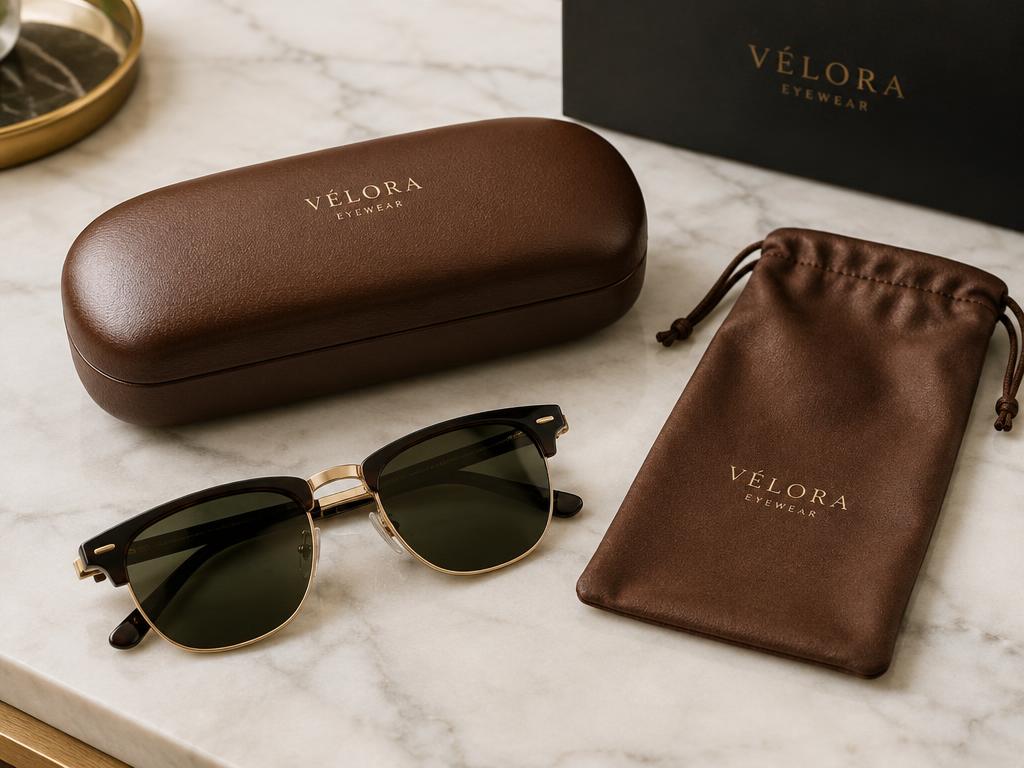
Cases & Covers
Leather Eyewear Cases
MOQ 500 pcs · hard shell case, soft pouch
Small Leather Goods
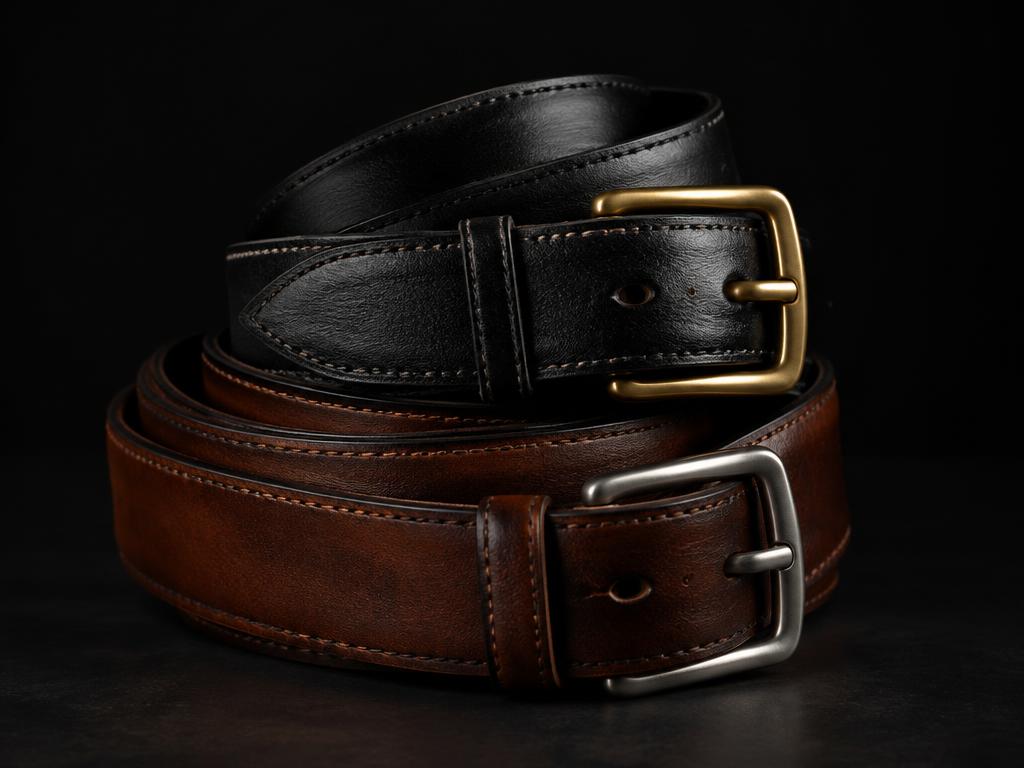
Leather Belts
MOQ 300 pcs · dress belt, casual jeans belt
Travel
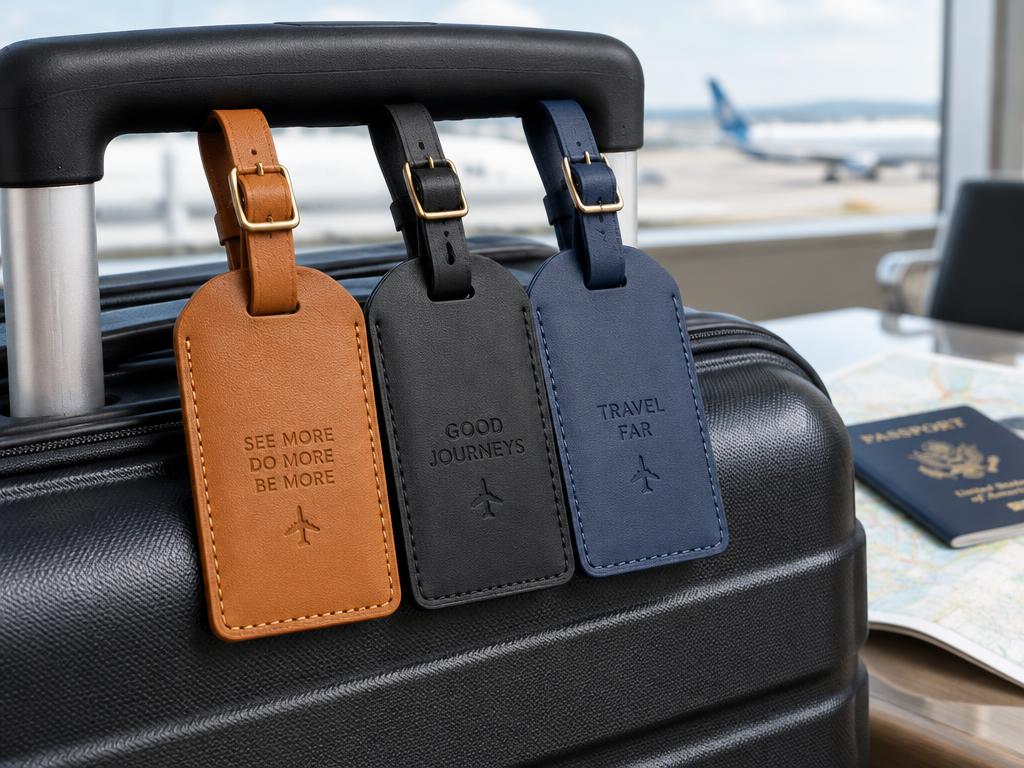
Leather Luggage Tags
MOQ 500 pcs · classic tag, privacy-flap tag
Travel
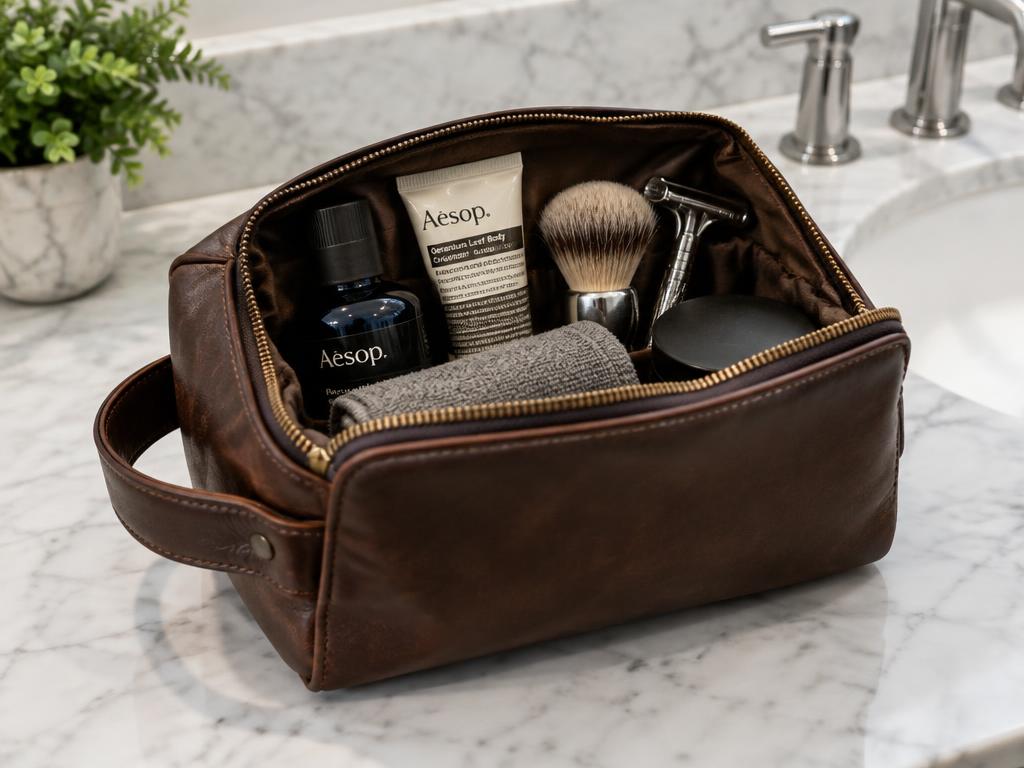
Leather Toiletry Bags
MOQ 200 pcs · dopp kit, hanging wash bag
Small Leather Goods
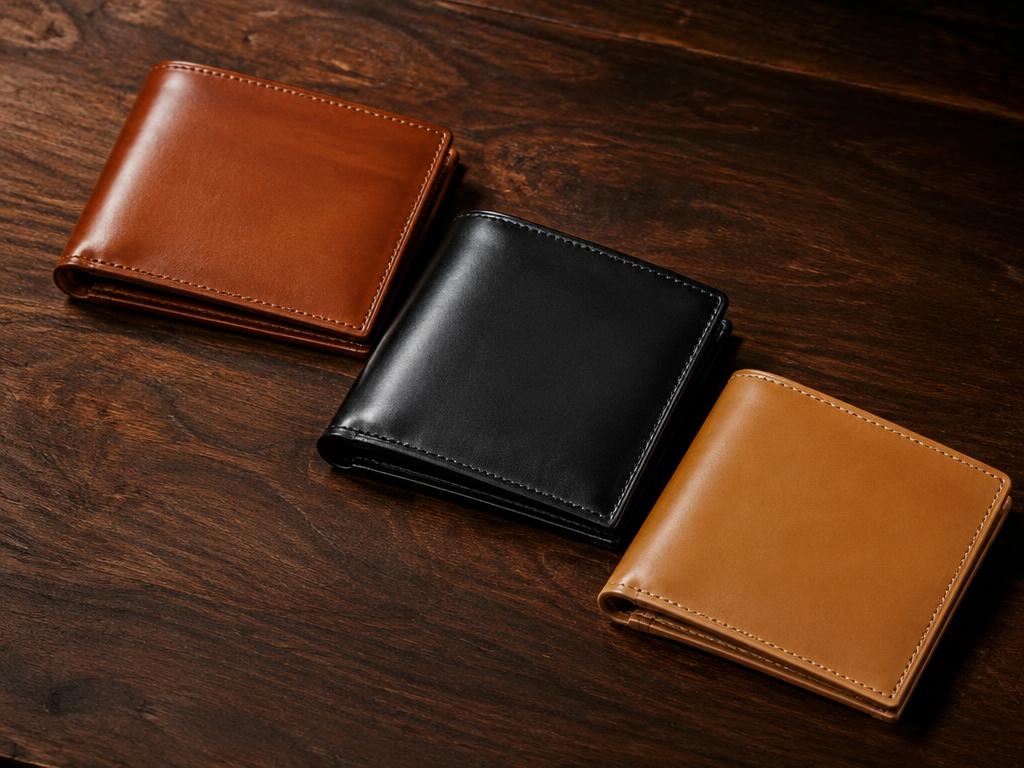
Leather Wallets
MOQ 200 pcs · bifold, trifold
Browse all 41 product lines — or tell us what is not on the list.
Bulk & Wholesale: questions buyers ask
What is the real minimum for a bulk order?+
It is per design, and it varies by product: from 100 pieces on bags, briefcases, duffels and most larger items, 200–300 on many small leather goods and cases, and up to 500 on items like keychains, luggage tags and eyewear cases. The figure on each product page is the one we quote against. Colours can be mixed within a design to reach it.
Can one order be split into staggered shipments?+
Yes, on request. The sensible way is to book and produce the material together — which is what protects the colour — and then dispatch in agreed drops. Holding finished goods beyond the agreed dispatch window is quoted separately, because it occupies warehouse space and ties up our working capital rather than yours.
How do you keep colour consistent across a large run?+
By booking the leather for the whole programme up front from as few lots as possible, cutting the visible panels from the same lot, and sending you a lot swatch for approval before cutting on colour-critical orders. Even then, aniline, pull-up and vegetable-tanned leather carry a tolerance between hides; where the shade must be tight, pigmented leather or PU is the honest recommendation.
What happens if a lot fails the final AQL inspection?+
We inspect the lot 100 percent, then rework or remake the affected pieces and re-present it. Who pays for re-inspection and what happens if the delivery date slips should be written into the purchase order along with the AQL and the defect classification, before production starts rather than during an argument.
Can we send our own inspector or a third-party agency?+
Yes, and we would encourage it on a first large order. Give us the booking dates so the lot is packed and presentable, and send the agency your defect classification in advance so they inspect to your standard rather than a generic one. Their fee is yours.
How is freight handled — FOB, CIF or DDP?+
All three. FOB hands the goods to your nominated forwarder at the Indian port and gives you the most control over freight cost. CIF suits buyers who would rather we arrange the ocean leg. DDP delivers to your door with duties handled, which is simpler but means the duty and clearance risk is priced into the quotation — and it has to be agreed in writing, not assumed.
Which documents come with the shipment?+
Commercial invoice, packing list, bill of lading or air waybill, and certificate of origin as standard, plus any origin or preference paperwork your regime requires. Inside India, a GST invoice and e-way bill. Confirm duty treatment and any preference claim with your own broker — we will provide the documents, but the classification decision is yours.
How far ahead should we book capacity for a seasonal delivery?+
Work backwards from the in-store date: transit for your lane, two to three days of final inspection, the 30–45 day production window, material booking, and sampling if the style is new. For a Q4 retail delivery that usually means placing the order a couple of months before the dispatch window, and earlier if the leather article is unusual.