Service
Sampling & Prototyping for leather goods
Development work, priced and run as development. We turn a sketch, a photo, a drawing or a competitor's product into a hard pattern, a physical sample you can handle, and finally a sealed sample that becomes the standard the bulk run is inspected against.
- First sample: 7–12 days
- Sample charge: Quoted per sample
- Patterns and dies: Kept on record
- Bulk after approval: 30–45 days
- Capacity
- 60,000+ pieces / month
- MOQ
- From 100 pieces per design
- Sampling
- Samples in 7–12 days
- Production
- Bulk in 30–45 days
- Reach
- Exporting to 55+ countries
- Team
- 180+ skilled artisans
What's included
What Sampling & Prototyping covers, and what it does not
A sample is the cheapest due diligence in sourcing. It tells you whether the idea works in leather, what it really costs, and whether the factory can hold the detail you care about — before you commit money to a production run or a launch date.
- First sample
- 7–12 days
- Sample charge
- Quoted per sample
- Patterns and dies
- Kept on record
- Bulk after approval
- 30–45 days
What we do
Inside the quoted price
- Review the idea for buildability and cost before cutting anything, and say if it needs rethinking
- Make a hard pattern and a measurement sheet, graded for a size run where relevant
- Cut a cheap mock-up first where fit is critical, so no leather is wasted proving a cavity
- Produce a first physical sample in your chosen leather, or the nearest article in stock
- Run one revision round, addressing your comments point by point in writing
- Build the bill of materials: leather, lining, thread, hardware and finishing, with specs
- Seal and sign two final samples — one for you, one retained as the factory standard
- Keep the pattern, dies and bill of materials on record so production and repeats skip development
What you provide
To start the job
- A sketch, photograph, drawing, tech pack or a physical counter-sample
- The dimensions and the must-have features, and which of them are non-negotiable
- Leather type and the price point you are designing back from
- Logo artwork as vector, and any hardware references you want matched
- The bulk quantity you have in mind, because it changes material and construction choices
- A courier address, and the device itself where the product has to fit something
What you receive
Deliverables
- A buildability and costing opinion before the sample, not after
- A hard pattern and a measurement sheet you can check
- A physical first sample, with photographs and video sent before it leaves
- A revised sample against your written comments
- Two sealed samples and a bill of materials that production is bound to
- An indicative bulk price at the quantity you named, held against the sealed sample
Compare
Sampling & Prototyping against our other four services
All five run through the same factory, the same artisans and the same inspection. What changes is who owns the design, how much set-up it needs and how fast you can be in market.
OEM Manufacturing
- Whose design
- Yours, to your tech pack
- Tech pack needed
- Yes, or a counter-sample
- Typical MOQ
- From 100 pcs per design
- First sample
- 7–12 days (pre-production sample)
- Branding depth
- Exactly as specified, incl. nominated hardware
- Lead time
- 30–45 days after the sealed sample
- Best for
- Brands with their own designs, materials and QC standard
Private Label
- Whose design
- Ours, already proven in production
- Tech pack needed
- Not needed
- Typical MOQ
- From 100 pcs per design, colours mixable
- First sample
- 7–12 days, branded
- Branding depth
- Logo, colour, lining, hardware, packaging
- Lead time
- 30–45 days after sample approval
- Best for
- Launching or extending a range without design work
Custom Branding
- Whose design
- Either — applied to any order
- Tech pack needed
- Logo artwork only
- Typical MOQ
- Follows the product MOQ
- First sample
- Strike-off alongside the sample
- Branding depth
- Every method we offer, on any surface
- Lead time
- Inside the production window
- Best for
- Putting a consistent mark across a whole range
- This service
Sampling & Prototyping
- Whose design
- Yours, developed with us
- Tech pack needed
- A sketch or a sample is enough
- Typical MOQ
- One sample
- First sample
- 7–12 days, plus a revision round
- Branding depth
- Proofed on the sample as a strike-off
- Lead time
- 7–12 days per round
- Best for
- Proving a new product before committing to a run
Bulk & Wholesale
- Whose design
- Already approved and sealed
- Tech pack needed
- Sealed sample is the spec
- Typical MOQ
- From 100 pcs, colours mixable
- First sample
- Not applicable — the sealed sample stands
- Branding depth
- Repeat of approved branding and tooling
- Lead time
- 30–45 days from material booking
- Best for
- Repeat volume, seasonal buys and tenders
| OEM Manufacturing | Private Label | Custom Branding | This serviceSampling & Prototyping | Bulk & Wholesale | |
|---|---|---|---|---|---|
| Whose design | Yours, to your tech pack | Ours, already proven in production | Either — applied to any order | Yours, developed with us | Already approved and sealed |
| Tech pack needed | Yes, or a counter-sample | Not needed | Logo artwork only | A sketch or a sample is enough | Sealed sample is the spec |
| Typical MOQ | From 100 pcs per design | From 100 pcs per design, colours mixable | Follows the product MOQ | One sample | From 100 pcs, colours mixable |
| First sample | 7–12 days (pre-production sample) | 7–12 days, branded | Strike-off alongside the sample | 7–12 days, plus a revision round | Not applicable — the sealed sample stands |
| Branding depth | Exactly as specified, incl. nominated hardware | Logo, colour, lining, hardware, packaging | Every method we offer, on any surface | Proofed on the sample as a strike-off | Repeat of approved branding and tooling |
| Lead time | 30–45 days after the sealed sample | 30–45 days after sample approval | Inside the production window | 7–12 days per round | 30–45 days from material booking |
| Best for | Brands with their own designs, materials and QC standard | Launching or extending a range without design work | Putting a consistent mark across a whole range | Proving a new product before committing to a run | Repeat volume, seasonal buys and tenders |
Choose sampling when the product does not exist yet, when you are moving a style from another supplier and want it matched before you move volume, or when you simply want to see what a factory's work feels like in your hand. It is the one service here you can buy for a single piece.
Timeline
Sampling & Prototyping, stage by stage
Each round is a loop: make, send, comment, revise. The published figure covers the making; the part that usually stretches is the review at your end, so plan for it.
- 1
Brief and feasibility review
Typically 1–3 working daysWe read the sketch, photo or counter-sample, ask the questions that change the pattern, and give an opinion on cost and buildability before any leather is cut.
- 2
Pattern-making
Typically 2–4 working daysA hard pattern cut from the brief with a measurement sheet, plus a mock-up in cheap material where a fit or a cavity has to be proven first.
- 3
First sample
7–12 daysCut, skived, stitched and finished in your chosen leather with your branding struck on it. Photographs and video go out before the piece is couriered so you can start reviewing early.
- 4
Your review and our revision
Shorter than round oneSend comments, or mark up the sample and send it back. Each point is answered in writing and a revised sample follows — usually faster than the first, because the pattern already exists.
- 5
Sealed sample and bill of materials
On approvalTwo samples sealed and signed, one with you and one retained at the factory, plus a bill of materials listing every component. This is what final inspection measures against.
- 6
Release to production
Then 30–45 daysPattern, dies, strike-off settings and sealed sample filed together, and the bulk quote confirmed at your quantity. Repeat orders restart from here, not from the brief.
Every order also passes through the same six production stages on the floor — see the full factory process or how quality is checked.
Capabilities
What we can develop, and how we get there
Most sampling work is one of four things: a new product from a drawing, a counter-sample to be matched, a fitted case for a physical object, or an existing style modified. Each has a different route to a first sample.
- Pattern-making from a sketch
- Reverse-engineering a counter-sample
- Mock-ups in cheap material
- Fitted cavities for devices
- Foam density selection
- Size-run grading
- Branding strike-offs
- Sealed samples
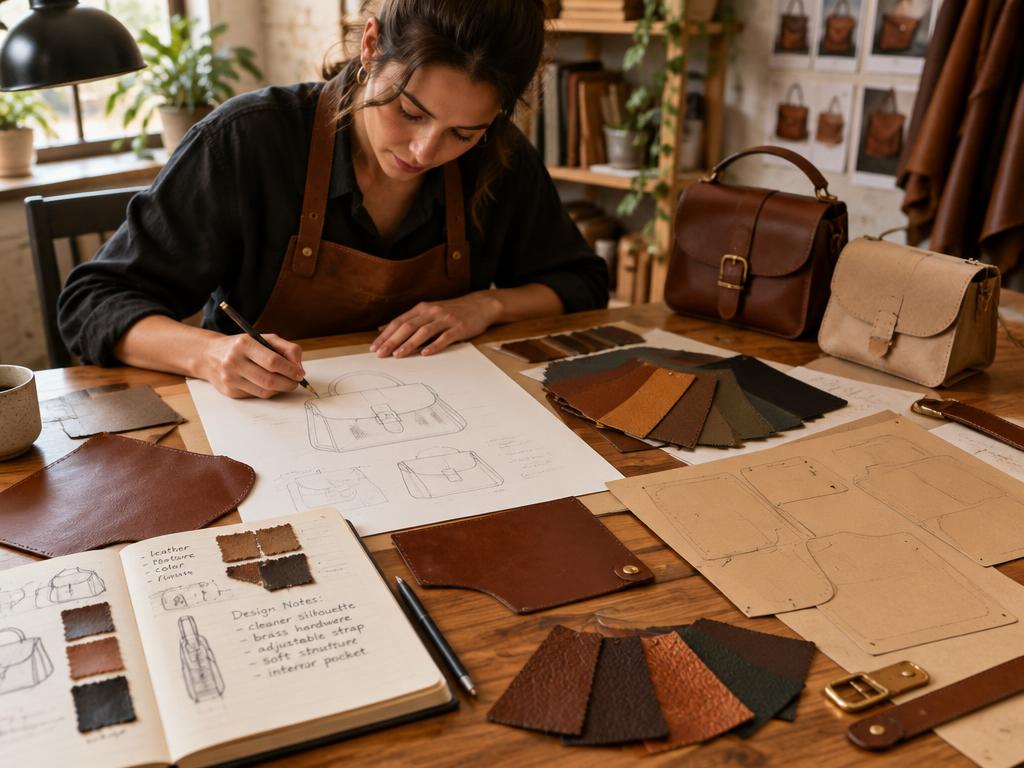
Sampling room bench with leather prototypes in progressDevelopment work sits apart from the production line, which is why a sample is not a bulk piece. 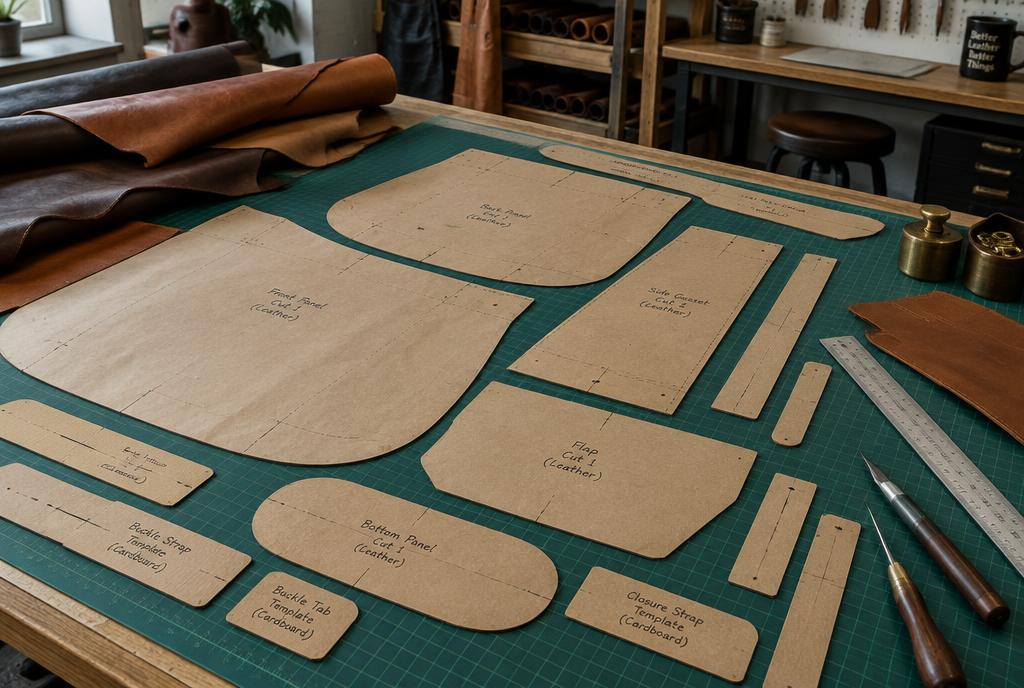
Paper patterns for a leather bag laid out on a cutting tableThe hard pattern and its measurement sheet are the deliverable you should check hardest. 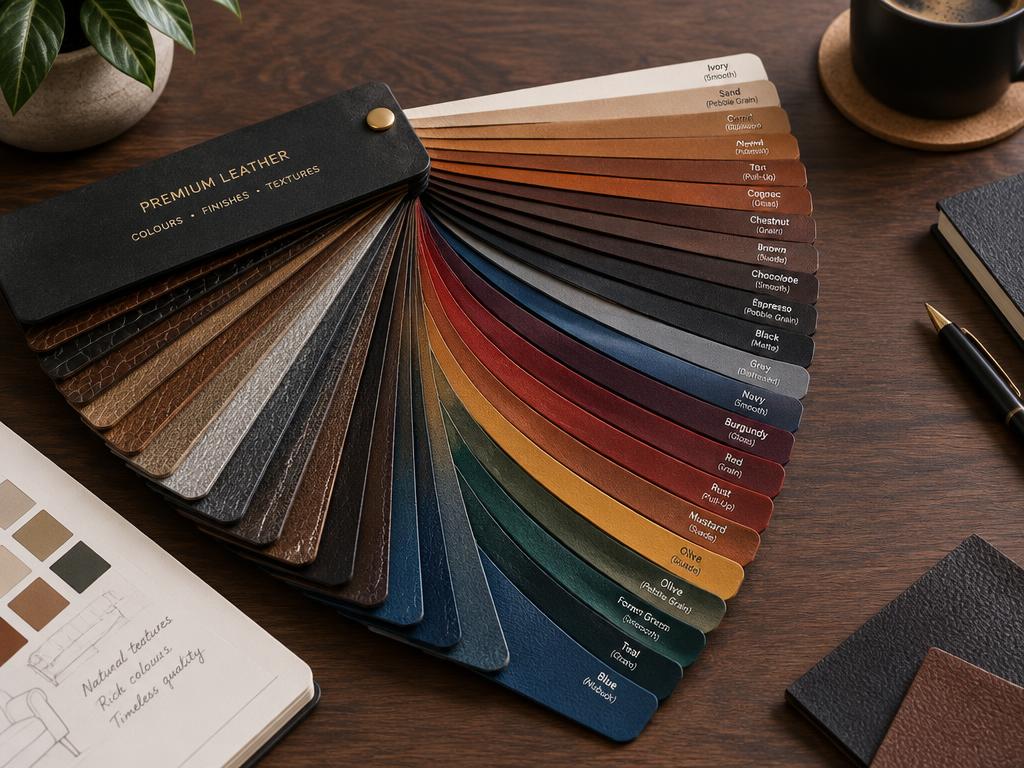
Leather swatch cards used to choose a sample articleWe sample in your article where it is in stock, and flag the difference if we substitute. 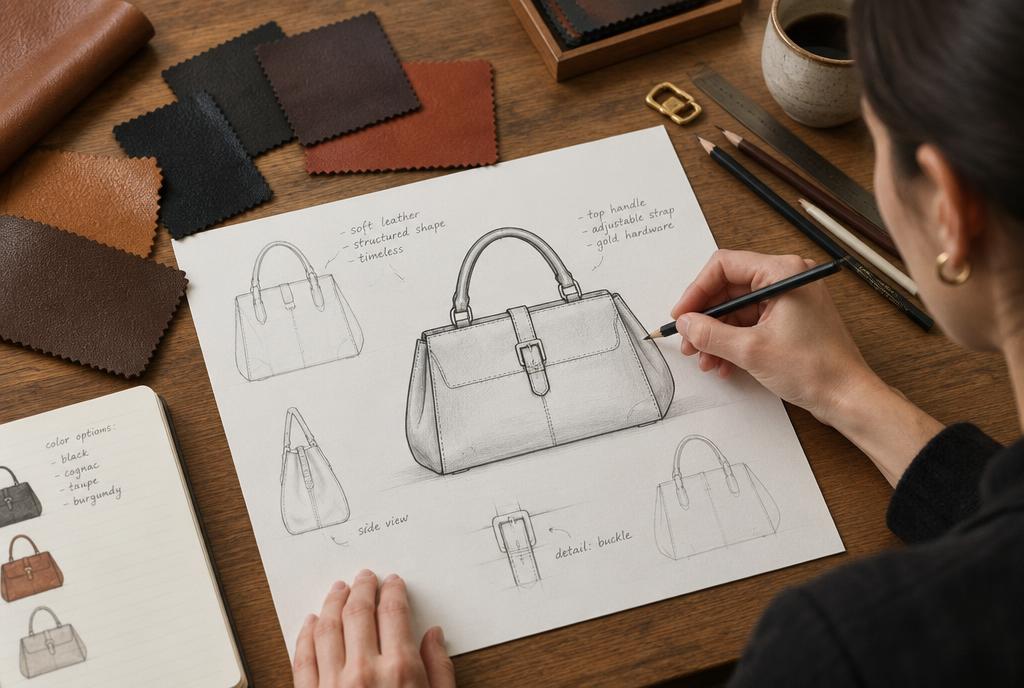
Designer working up a leather bag from a sketch and swatchesA sketch with dimensions is enough to start; a mood board on its own is not.
- What we can work from
- A hand sketch with dimensions, a photograph or link, a CAD drawing, a full tech pack, or a physical counter-sample. The more the brief fixes, the closer the first sample lands; a reference photo plus three must-have features is a workable minimum.
- Pattern-making
- A hard pattern with seam and turn allowances, plus a measurement sheet. Graded for a size run where the product needs one — belts, straps, apparel. Check the measurement sheet before the sample is cut: this is the cheapest point at which to be difficult.
- Sample leather
- Made in your chosen article where it is in stock. If your exact hide is not available we sample in the nearest substrate and say so in writing, flagging the difference in thickness, hand and finish rather than letting you discover it.
- Mock-ups
- For fitted cases, equipment covers and instrument boxes we normally cut a mock-up in a cheap material first and prove the fit against the actual object. It costs a day and saves a leather sample.
- Fitted cavities
- Send the device, or a fully dimensioned drawing with the tolerance that matters marked. Tight interior cavities usually need the real object in the sampling room. Foam density and the fit tolerance are agreed in writing before cutting.
- Revisions
- One revision round is part of the sampling round. Mark up the sample physically and courier it back if you can — it removes more ambiguity than any email. Each comment is answered in writing with what we changed and what we could not.
- Sealed samples
- Two samples sealed and signed at approval. Yours is the reference you hold us to; ours sits in the factory as the production benchmark and is what the final AQL inspection measures against.
- What is kept on record
- Pattern, cutting dies, logo die and its strike settings, bill of materials and the sealed sample, filed together. A repeat order a year later starts at cutting with no development charge.
- Sample charges
- Quoted per sample and driven by leather consumption, hardware and whether tooling has to be made. They are commonly credited against a confirmed bulk order, depending on the brief and the tooling involved — ask for that to be written on the quotation rather than assumed.
Samples are couriered by air; transit is typically 3–7 days depending on destination and is billed at cost. We send photographs and video before dispatch so your review can start before the parcel lands.
Material options and tannages are set out on our genuine leather, PU leather and vegan leather pages, and per-country transit times and incoterms on our export market pages.
Who it's for
Who chooses Sampling & Prototyping
A sample means something different to each of these buyers. The brief that arrives with it differs too.
Product start-ups and crowdfunding projects
Arrive with a clear drawing and no production experience. They need a photographable, functional sample before they can pre-sell or raise, and they need to know the real unit cost at a realistic quantity.
Established labels developing a season
Want two or three new shapes sampled alongside their existing range, on a calendar that works backwards from a trade show or a wholesale deadline.
Electronics OEMs with a new device
Send the device under NDA and need a fit sample before the product launches, with the cavity tolerance agreed in writing and the case ready when the device ships.
Brands switching supplier
Send the current product as a counter-sample and ask for it matched. The sample is a test of the factory as much as of the pattern, and they usually compare two or three in parallel.
Interior designers and one-off commissions
Want valet trays, boxes, desk pieces or covers made to a drawing and a room's colour, often as a single piece, with the option to repeat later.
Buyers running due diligence
Order a paid sample purely to judge stitching, edge finishing and honesty of communication before they place a first order anywhere.
Brief checklist
- A sketch, photo, drawing or counter-sample we can work from
- Overall dimensions and the three or four features that are non-negotiable
- Leather type and the target price point at your intended quantity
- Logo artwork as vector if you want the sample branded
- The bulk quantity you have in mind, so materials are chosen realistically
- Courier address, and the device or object itself if the product has to fit it
Sampling enquiry
Send the sketch and we will tell you what it costs to prove
A sample charge, a lead time and an honest view on whether the design works in leather, before you commit to a run.
Product lines
Product lines most ordered through Sampling & Prototyping
MOQ across these lines runs 100–300 pieces per design. Every product page carries its own styles, materials and minimum.
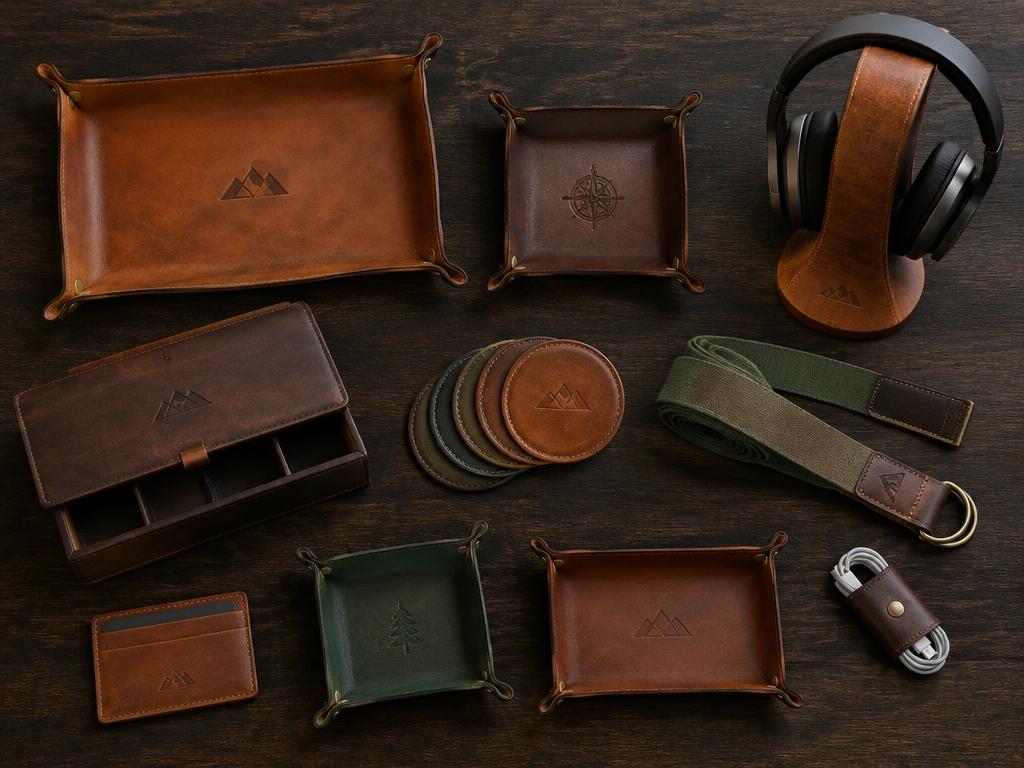
Equipment & Custom
Custom Leather Products
MOQ 100 pcs · valet trays, storage boxes
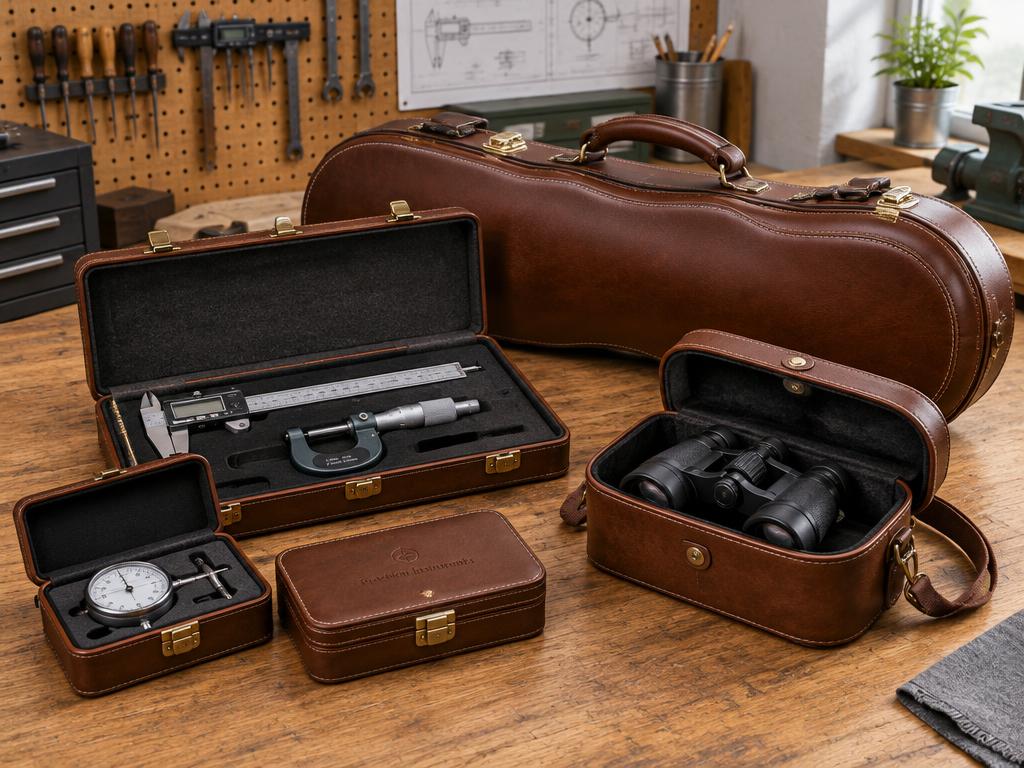
Equipment & Custom
Leather Instrument Cases
MOQ 100 pcs · measuring instrument box, binocular case
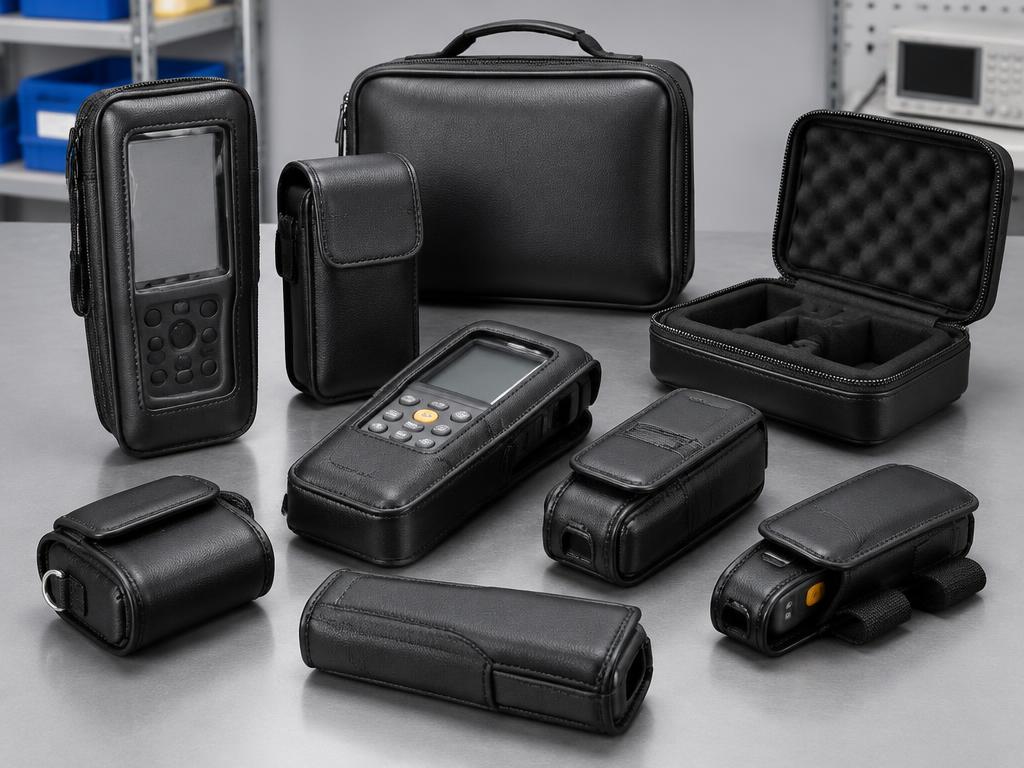
Equipment & Custom
PU Leather Equipment Covers
MOQ 200 pcs · handheld device holster, padded meter case
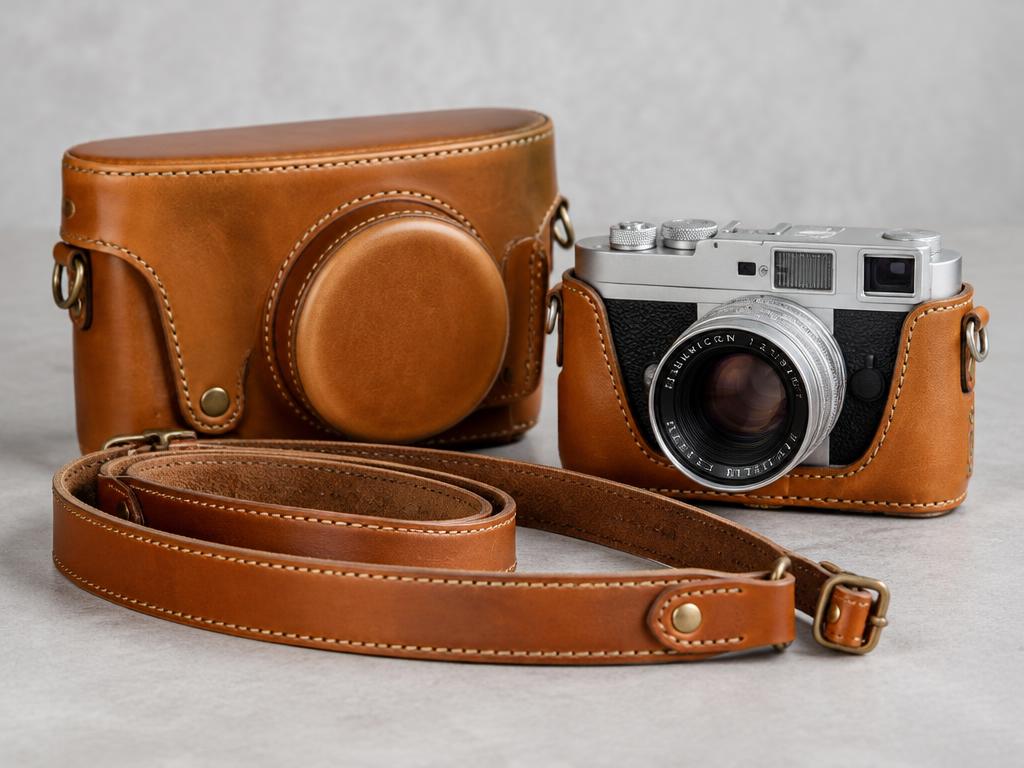
Cases & Covers
Leather Camera Cases
MOQ 150 pcs · half case, full ever-ready case
Bags
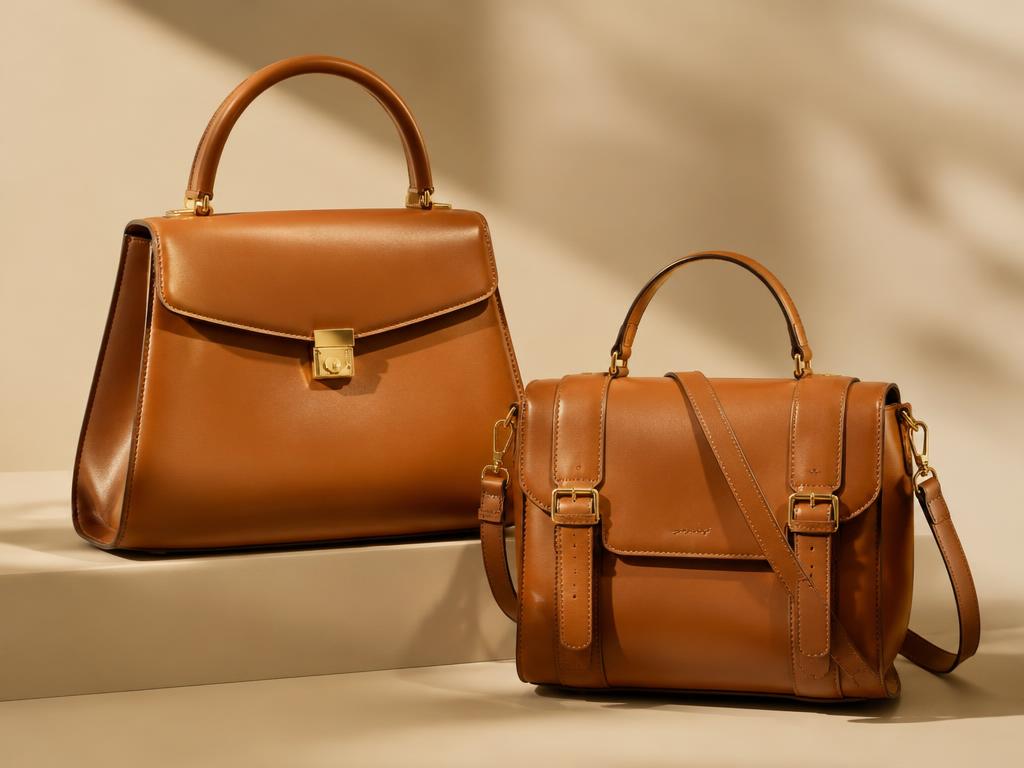
Leather Handbags
MOQ 100 pcs · satchel, hobo
Cases & Covers
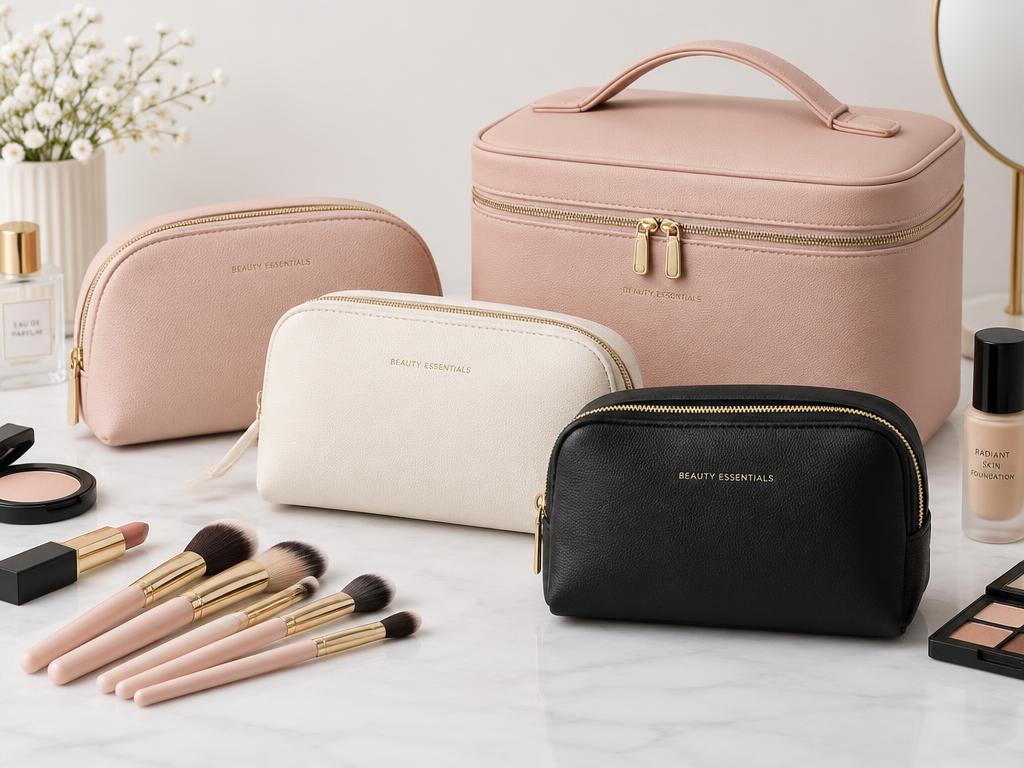
Leather Cosmetic Cases
MOQ 300 pcs · makeup pouch, vanity case
Corporate & Lifestyle
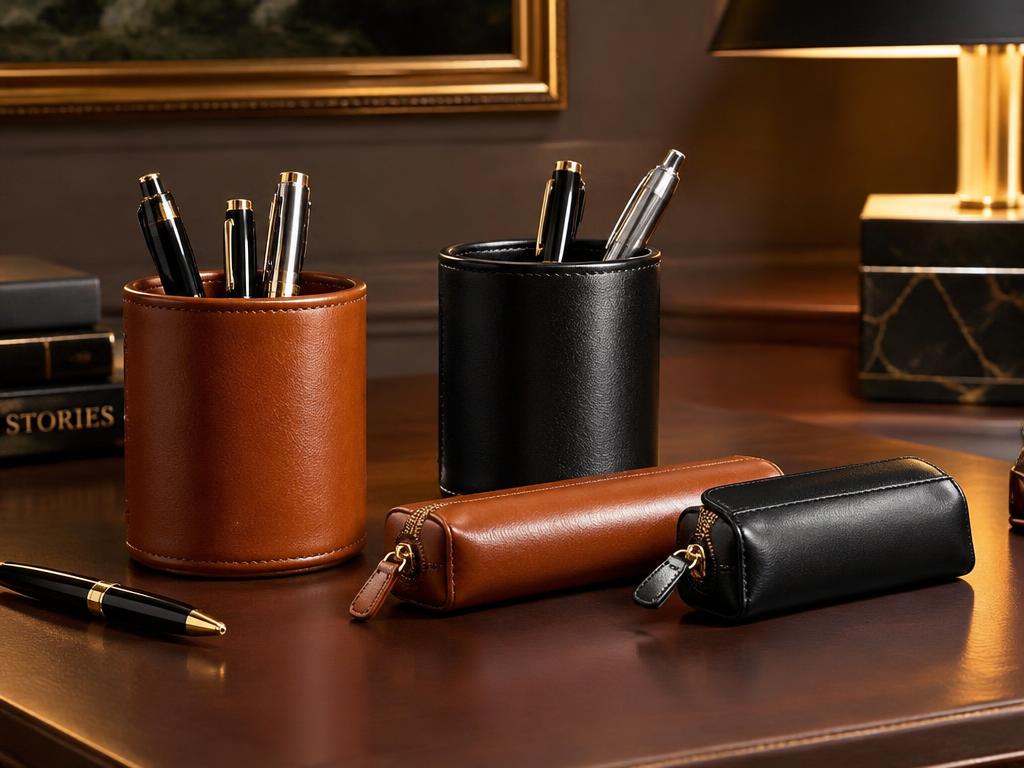
Leather Pen Holders
MOQ 200 pcs · desk pen cup, zip pen case
Equipment & Custom
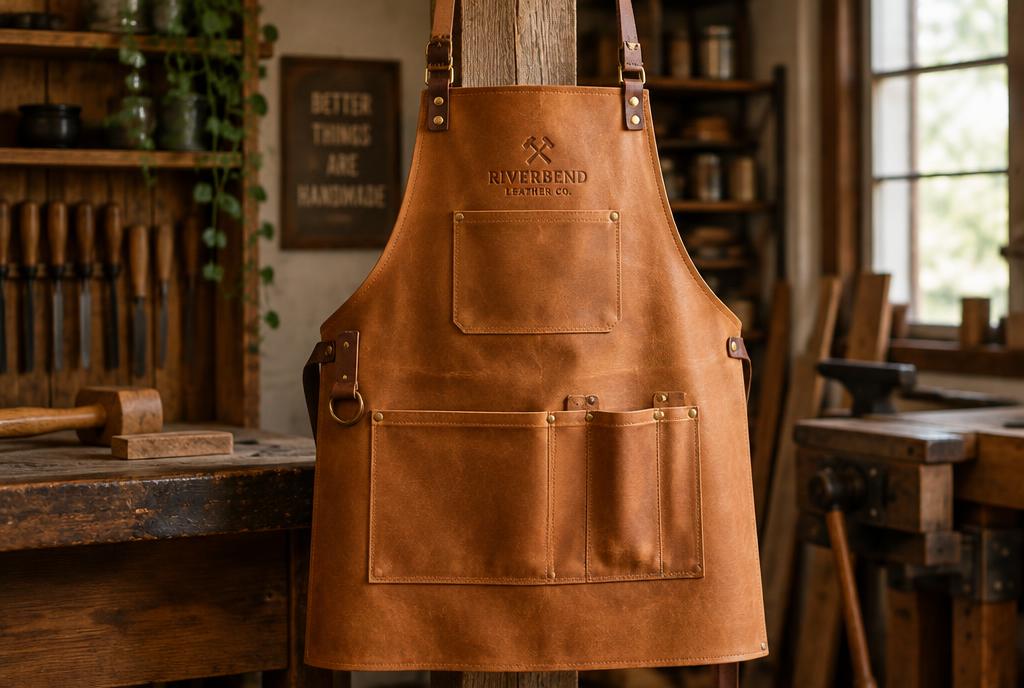
Leather Aprons
MOQ 100 pcs · bib work apron, barista apron
Browse all 41 product lines — or tell us what is not on the list.
Sampling & Prototyping: questions buyers ask
Is the sample cost refundable against a bulk order?+
Sample charges are quoted per sample rather than offered free, because development is real work — pattern-making, leather, hardware and sometimes tooling. They are commonly credited against a confirmed bulk order, depending on the brief and on how much tooling the sample required. Ask us to state the credit explicitly on the quotation so there is no argument later.
How long does a first sample take?+
Seven to twelve days once the brief, the artwork and the materials are settled. A construction we have never built, a nominated hardware item we have to buy in, or a fitted case that needs a mock-up round will add to that — we will say so when we accept the brief rather than halfway through.
How many revisions are included?+
One revision round is part of the sampling round, and it is usually quicker than the first sample because the pattern already exists. Further rounds are quoted. In practice, marking up the physical sample and couriering it back resolves more in one round than three rounds of email.
Can you make a sample from just a photograph?+
Often, yes. What we need alongside it is the overall dimensions, the leather thickness you expect, and a note on which details matter — a photo cannot tell us whether the edge is turned or painted, how thick the strap is, or how the lining is constructed. Expect the first sample to be an interpretation, and expect the revision round to be the one that lands it.
Do we own the pattern we paid to develop?+
A pattern developed to your design and your brief is made for your programme, kept on record for your repeats, and not offered to other buyers. Our own catalogue styles are a different matter and remain ours, which is what makes private label cheap and fast. If ownership of the pattern matters to you commercially, say so and we will put it in writing before development starts.
Will the bulk run match the approved sample exactly?+
The sealed sample is the benchmark and the final inspection is measured against it. Within that, expect the natural variation of the material: leather tone and grain differ between hides and lots, hardware plating varies slightly between batches, and vegetable-tanned and pull-up articles move most. Pigmented leather and PU hold closest to a sample.
Can you make a single piece for a photoshoot or a campaign?+
Yes — that is exactly what a sample is, and a lot of our sampling work never goes to production. Production is a separate decision and still carries the product MOQ, from 100 pieces per design upwards.
Will you sign an NDA before we send the design?+
Yes, on request, and it is a normal part of development work — particularly for fitted cases where you are sending us an unreleased device. Send your form, or ask us for one, before you share drawings.