Asia Pacific · Export market
Leather goods manufacturer for brands in Australia
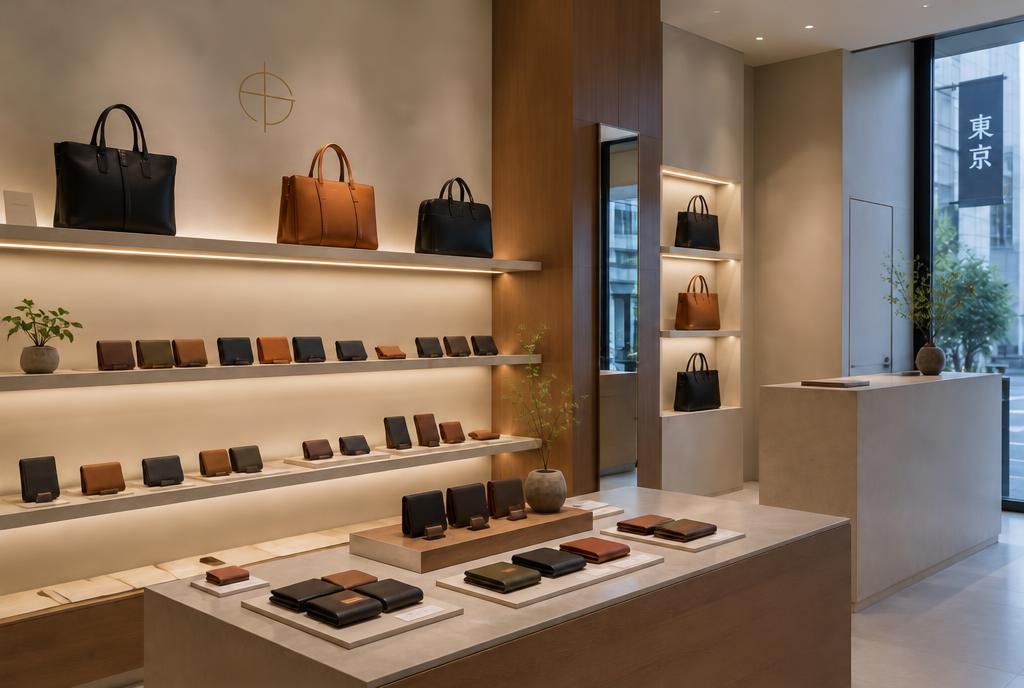
India Leather Manufacturer manufactures custom and private-label leather goods in India for brands, retailers and corporate buyers in Australia. From wallets and handbags to phone cases, equipment covers and gift sets, we produce 41 product lines in genuine, PU and vegan leather.
- Sea freight
- ~18–25 days
- Terms
- FOB, CIF or DDP
- Cities served
- 10
- Products
- 41
Why Australia
Your Indian leather partner in Australia
India Leather Manufacturer manufactures custom and private-label leather goods in India for brands, retailers and corporate buyers in Australia. From wallets and handbags to phone cases, equipment covers and gift sets, we produce 41 product lines in genuine, PU and vegan leather.
Australian brands use us for durable, outdoor-ready leather and fully packed, ready-to-sell DTC orders. Sea freight to Australia takes about 18–25 days and we quote FOB, CIF or DDP, so your goods arrive branded, packed and ready to sell.
Listicle
Top 10 leather products Australia brands order from us
Ranked by demand from buyers in this market — click any product for pricing, MOQ and delivery details.
- 01
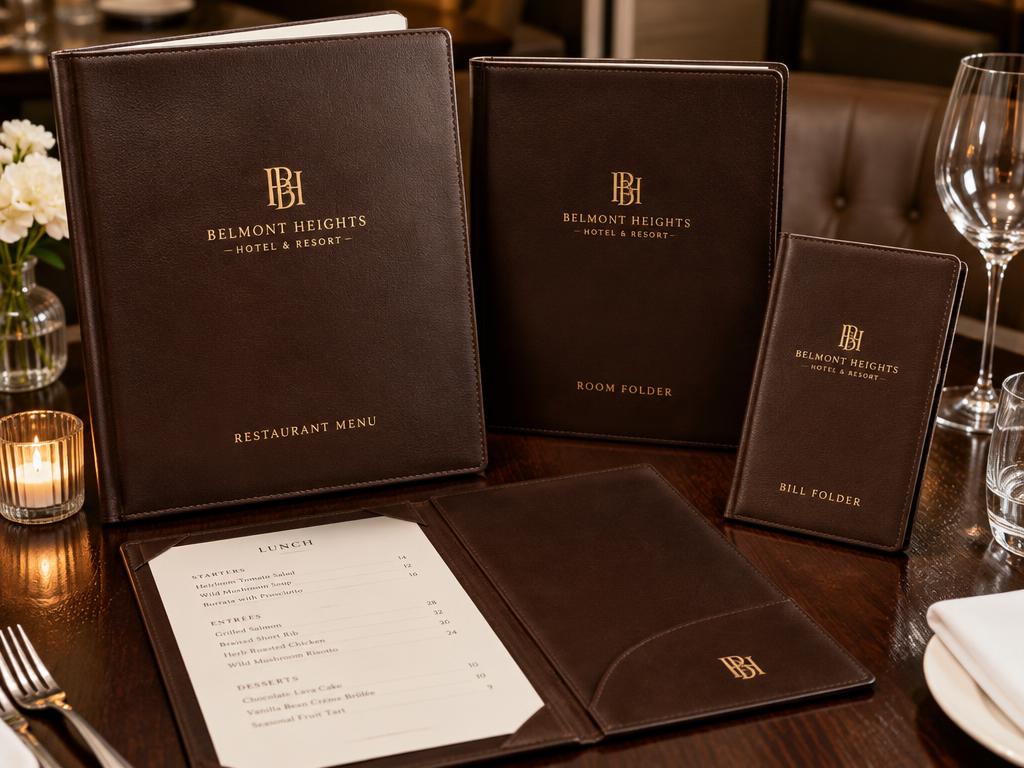
Leather Menu Covers & Folders for Australia
Popular with hotels, restaurant groups, hospitality suppliers. Styles include restaurant menu cover, hotel room folder, bill folder. MOQ 50 pcs.
Get leather menu covers & folders pricing → - 02
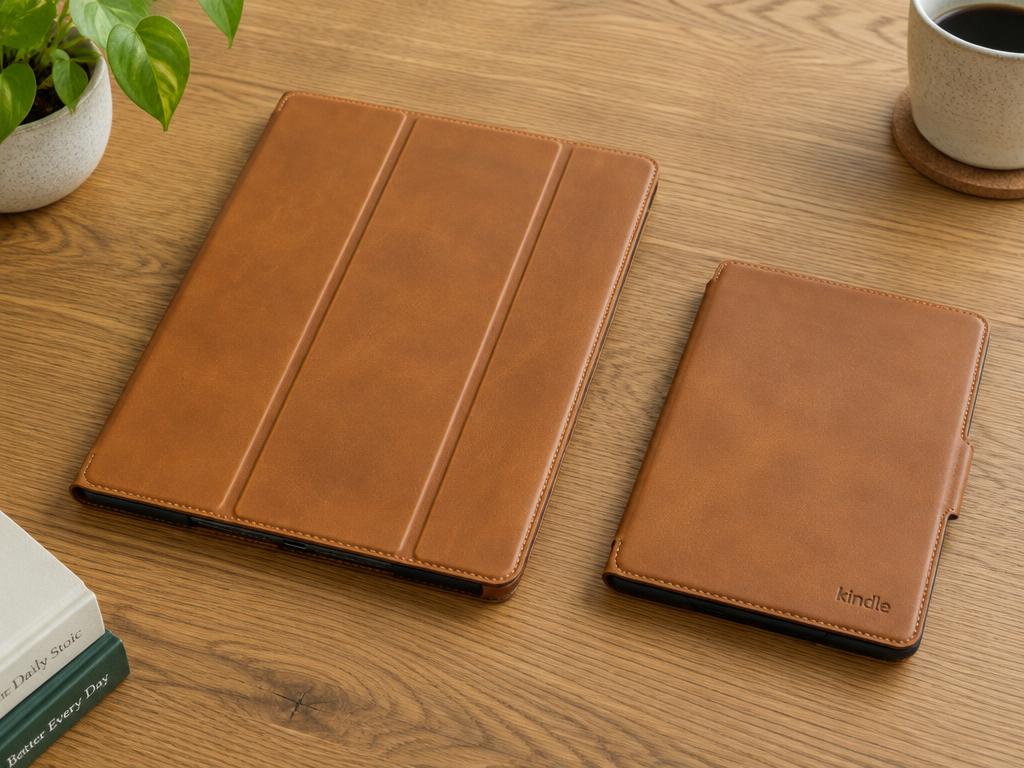
Leather Tablet Covers for Australia
Popular with tablet accessory brands, education suppliers, airlines. Styles include folio stand case, e-reader cover, keyboard folio. MOQ 200 pcs.
Get leather tablet covers pricing → - 03
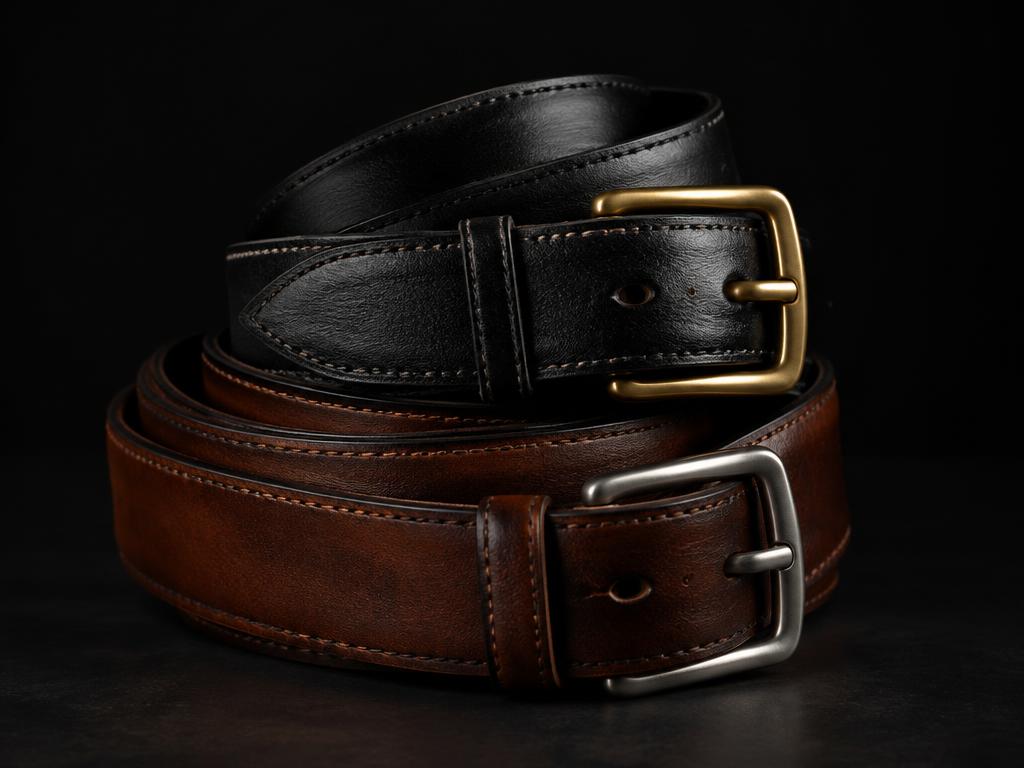
Leather Belts for Australia
Popular with menswear brands, uniform suppliers, western-wear labels. Styles include dress belt, casual jeans belt, reversible belt. MOQ 300 pcs.
Get leather belts pricing → - 04
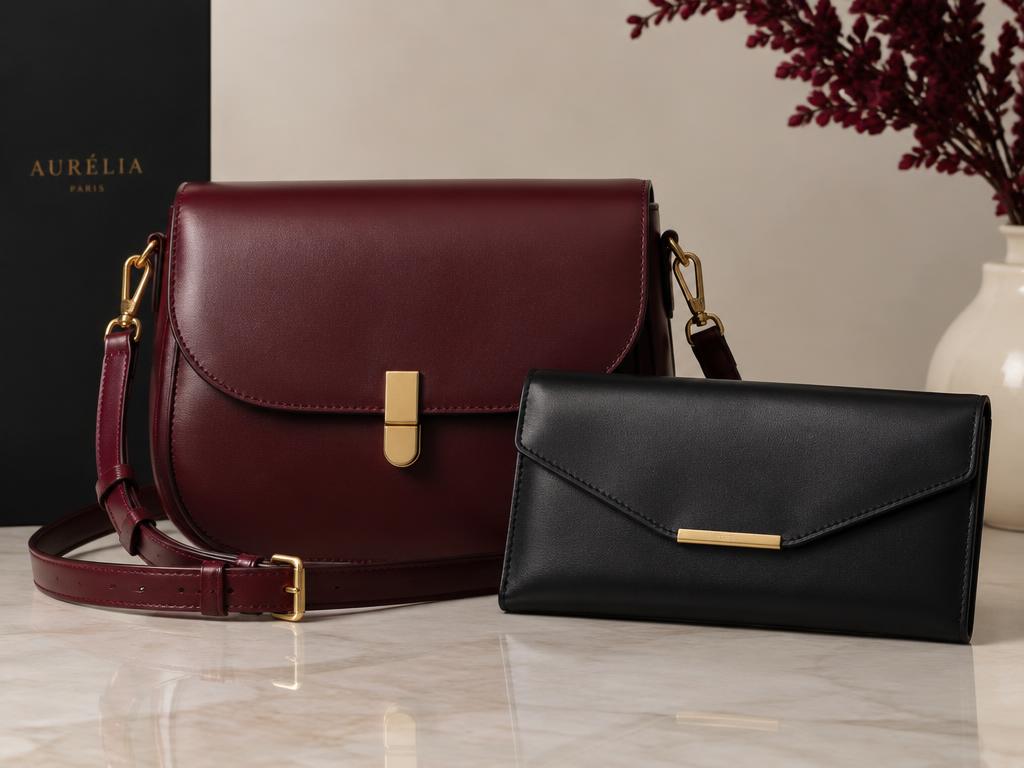
Leather Crossbody Bags for Australia
Popular with DTC fashion brands, concept stores, influencer labels. Styles include saddle bag, camera bag, phone crossbody. MOQ 100 pcs.
Get leather crossbody bags pricing → - 05
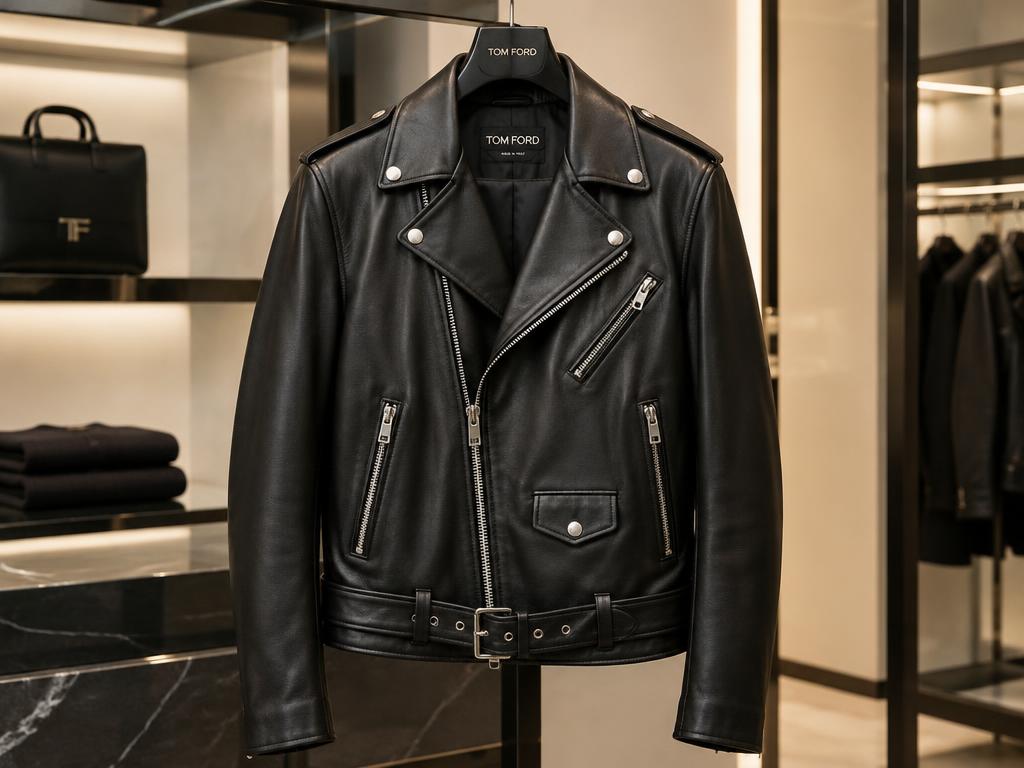
Leather Jackets for Australia
Popular with fashion labels, motorcycle brands, outerwear retailers. Styles include biker jacket, bomber, blazer. MOQ 100 pcs.
Get leather jackets pricing → - 06
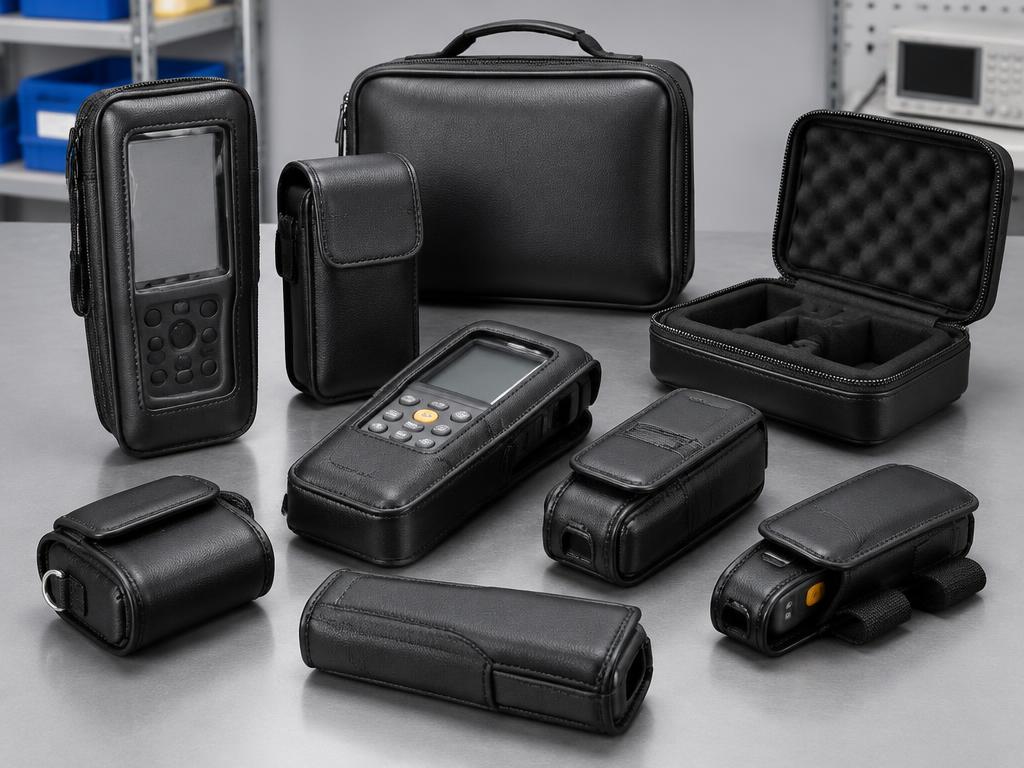
PU Leather Equipment Covers for Australia
Popular with electronics OEMs, industrial equipment makers, telecom companies. Styles include handheld device holster, padded meter case, scanner cover. MOQ 200 pcs.
Get pu leather equipment covers pricing → - 07
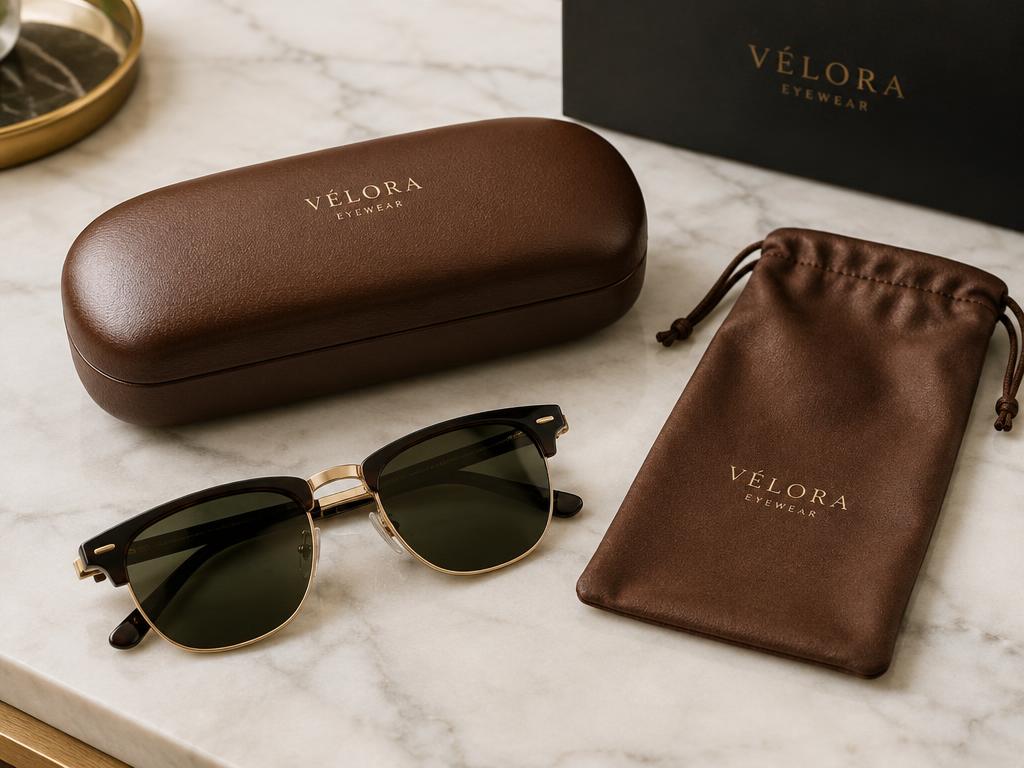
Leather Eyewear Cases for Australia
Popular with eyewear brands, optical chains, sunglass labels. Styles include hard shell case, soft pouch, folding case. MOQ 500 pcs.
Get leather eyewear cases pricing → - 08
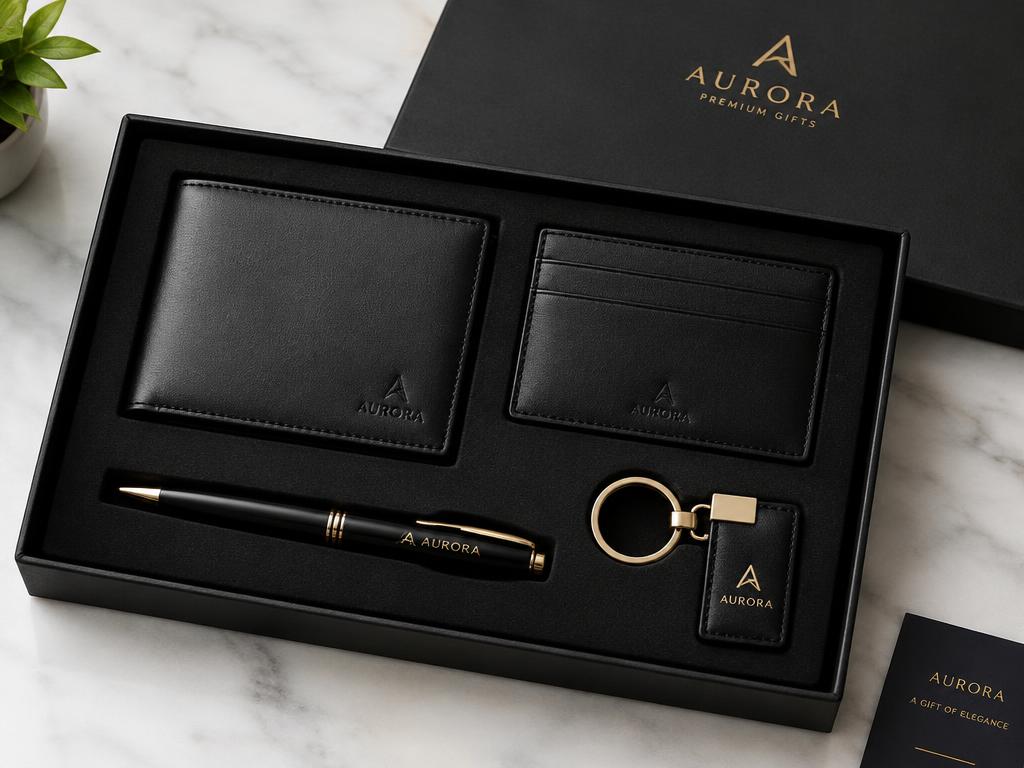
Leather Corporate Gift Sets for Australia
Popular with corporate gifting companies, banks, pharma companies. Styles include wallet + card holder set, executive desk set, travel set. MOQ 100 pcs.
Get leather corporate gift sets pricing → - 09
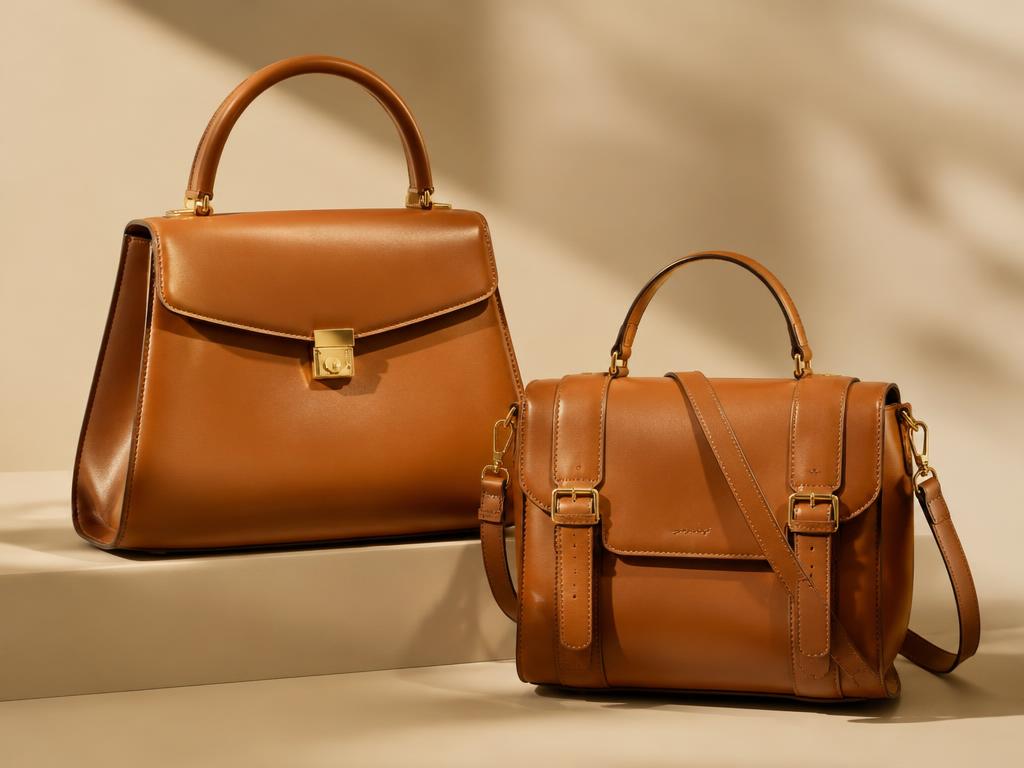
Leather Handbags for Australia
Popular with womenswear labels, luxury boutiques, online marketplaces. Styles include satchel, hobo, bucket bag. MOQ 100 pcs.
Get leather handbags pricing → - 10
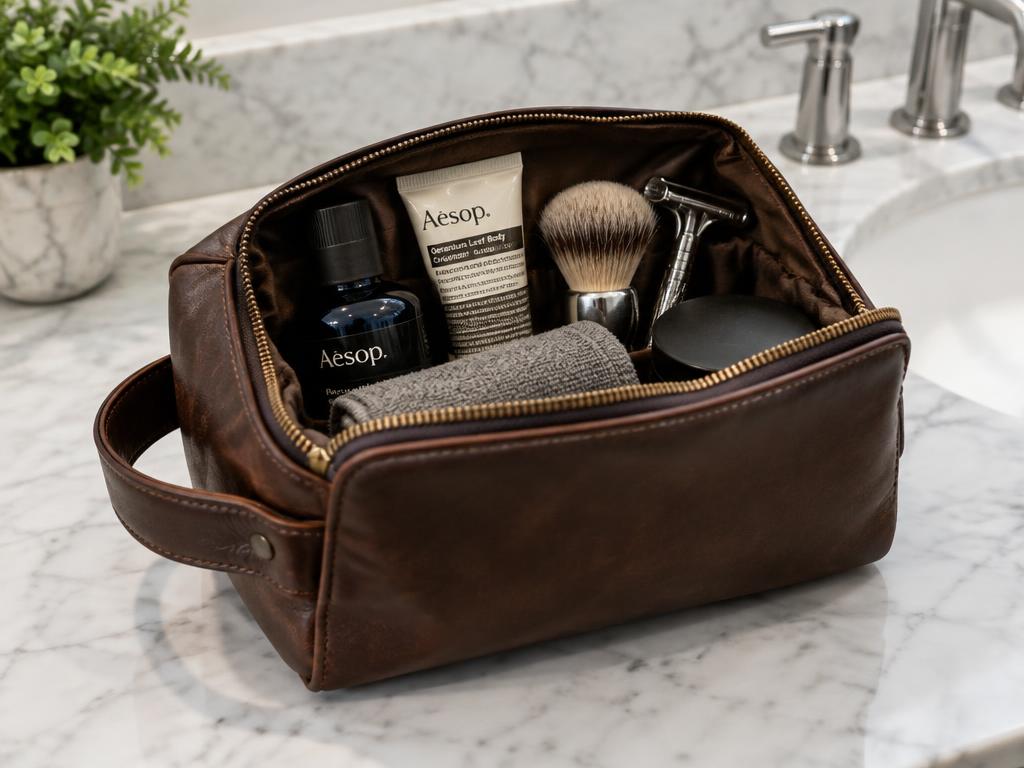
Leather Toiletry Bags for Australia
Popular with grooming brands, hotels, subscription boxes. Styles include dopp kit, hanging wash bag, cosmetic pouch. MOQ 200 pcs.
Get leather toiletry bags pricing →
Listicle
7 reasons buyers in Australia choose India Leather Manufacturer
- 1.
Factory-direct pricing
No middlemen — Australia buyers deal directly with our production and export team.
- 2.
Low minimum orders
Start from 100 pieces per design and mix colours, ideal for testing new lines in Australia.
- 3.
Fast sampling
Physical samples in 7–12 days, couriered to your door for approval.
- 4.
Genuine, PU & vegan leather
Full-grain, top-grain, suede, PU and plant-based options for every price point.
- 5.
Your brand, perfected
Debossing, hot-foil, laser engraving, metal plates, printed linings and branded packaging.
- 6.
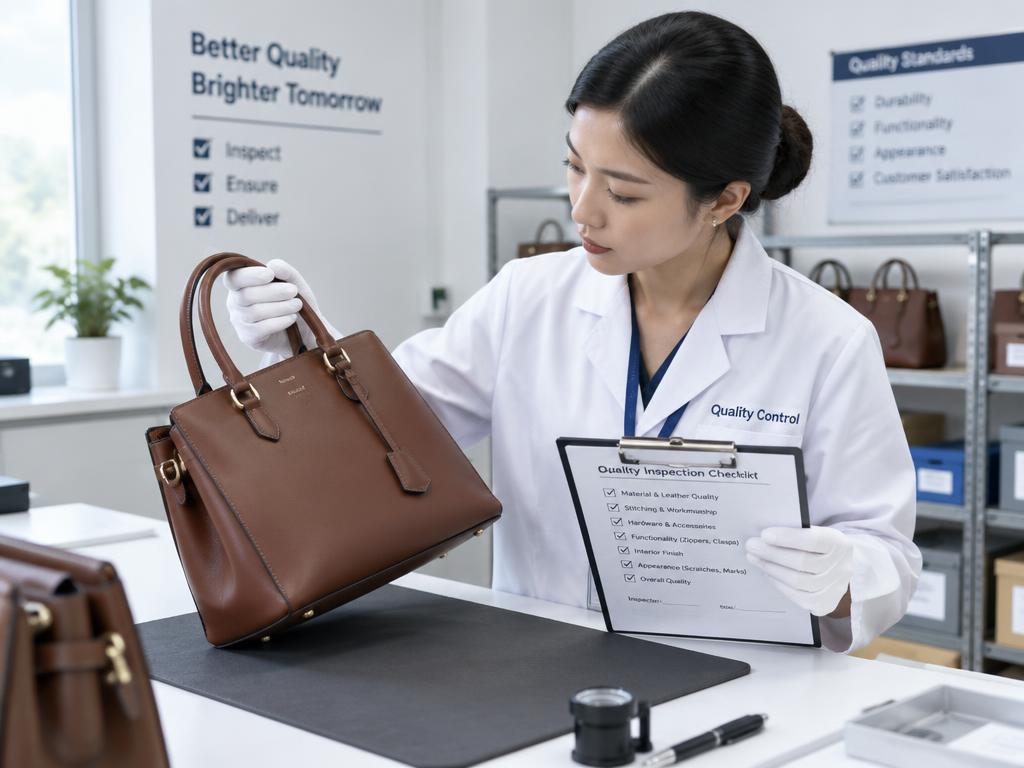
Strict quality control
In-line checks and AQL final inspection with photo reports before dispatch.
- 7.
Hassle-free shipping to Australia
FOB, CIF or DDP terms with complete export documents and ~18–25 day sea transit.
Where we fit
Sourcing comparison for Australia buyers
You are not only choosing between Indian factories. This is how a Kanpur maker compares with the alternatives on a Australia buyer's shortlist — including where the others are the better answer.
- Us
India (us)
- Typical MOQ
- From 100 pieces per design across 41 lines, higher on small leather goods, and colours can be mixed inside one MOQ.
- Hand-finishing on small runs
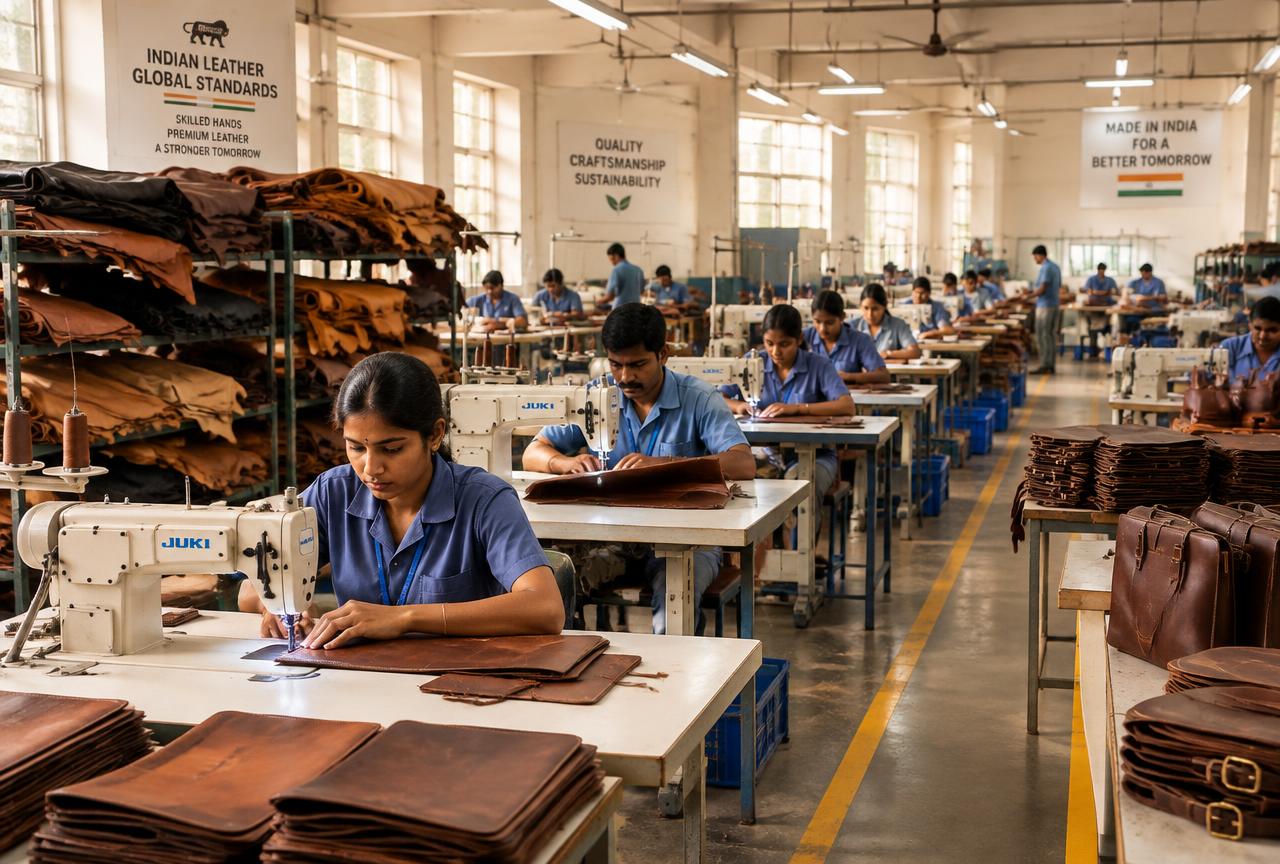
- 180+ skilled artisans in-house — hand skiving, hand-applied edge paint and hand-set hardware are normal on runs of a few hundred.
- Sampling speed
- Samples in 7–12 days, couriered for approval, with the pattern kept on file for repeats.
- Leather availability
- Kanpur sits inside one of India's oldest tanning clusters: cow, buffalo and goat hide, finished PU, and chrome-free or vegetable tannages sourced locally.
- Tooling and die cost
- Clicker dies, moulds and logo plates are made once, charged once and retained for you. Repeats carry no tooling again.
- Communication
- English, one named contact from quotation to dispatch. A long working-day overlap, so sampling questions resolve the same day.
- Transit to Australia
- About 18–25 days by sea from Nhava Sheva (JNPT), Navi Mumbai, or 3–7 days by air.
China factories
- Typical MOQ
- Low minimums are common on stock designs. A custom pattern in genuine leather usually needs a bigger commitment.
- Hand-finishing on small runs
- Available, but the real strength is automated consistency at high volume rather than hand work on short runs.
- Sampling speed
- Comparable where you reach the factory directly; slower when the enquiry routes through a trading company first.
- Leather availability
- Very deep PU and synthetic supply; a large share of the finished genuine leather is imported into the chain.
- Tooling and die cost
- Normally charged per style; who keeps the tooling afterwards varies by factory.
- Communication
- Capable export teams; the translation and account-management layer varies a lot between factories.
- Transit to Australia
- Comparable or shorter from North Asia on most lanes.
Vietnam / Bangladesh
- Typical MOQ
- Geared to large single-style programmes; short development runs are harder to place.
- Hand-finishing on small runs
- Strong machine lines; dedicated hand-finishing cells are less common on small orders.
- Sampling speed
- Usually slower on development, because sampling teams are geared to confirmed programmes.
- Leather availability
- Strong on PU and on components; genuine-leather supply is largely imported.
- Tooling and die cost
- Charged per style and usually tied to the programme it was made for.
- Communication
- Varies widely, and often routed through a sales office rather than the production floor.
- Transit to Australia
- Broadly comparable to India on most lanes.
Trading agent
- Typical MOQ
- Whatever the factory behind them sets, plus the agent's own minimum on top.
- Hand-finishing on small runs
- Depends entirely on the factory behind them — which you may never get to see.
- Sampling speed
- Adds a relay step: every comment and revision passes through the agent.
- Leather availability
- Whatever their factory happens to source that season.
- Tooling and die cost
- Charged to you and held by a factory you have no contract with.
- Communication
- You talk to the agent, not to the people actually making your goods.
- Transit to Australia
- Their own transit plus the time the paperwork spends with the agent.
| UsIndia (us) | China factories | Vietnam / Bangladesh | Trading agent | |
|---|---|---|---|---|
| Typical MOQ | From 100 pieces per design across 41 lines, higher on small leather goods, and colours can be mixed inside one MOQ. | Low minimums are common on stock designs. A custom pattern in genuine leather usually needs a bigger commitment. | Geared to large single-style programmes; short development runs are harder to place. | Whatever the factory behind them sets, plus the agent's own minimum on top. |
| Hand-finishing on small runs | 180+ skilled artisans in-house — hand skiving, hand-applied edge paint and hand-set hardware are normal on runs of a few hundred. | Available, but the real strength is automated consistency at high volume rather than hand work on short runs. | Strong machine lines; dedicated hand-finishing cells are less common on small orders. | Depends entirely on the factory behind them — which you may never get to see. |
| Sampling speed | Samples in 7–12 days, couriered for approval, with the pattern kept on file for repeats. | Comparable where you reach the factory directly; slower when the enquiry routes through a trading company first. | Usually slower on development, because sampling teams are geared to confirmed programmes. | Adds a relay step: every comment and revision passes through the agent. |
| Leather availability | Kanpur sits inside one of India's oldest tanning clusters: cow, buffalo and goat hide, finished PU, and chrome-free or vegetable tannages sourced locally. | Very deep PU and synthetic supply; a large share of the finished genuine leather is imported into the chain. | Strong on PU and on components; genuine-leather supply is largely imported. | Whatever their factory happens to source that season. |
| Tooling and die cost | Clicker dies, moulds and logo plates are made once, charged once and retained for you. Repeats carry no tooling again. | Normally charged per style; who keeps the tooling afterwards varies by factory. | Charged per style and usually tied to the programme it was made for. | Charged to you and held by a factory you have no contract with. |
| Communication | English, one named contact from quotation to dispatch. A long working-day overlap, so sampling questions resolve the same day. | Capable export teams; the translation and account-management layer varies a lot between factories. | Varies widely, and often routed through a sales office rather than the production floor. | You talk to the agent, not to the people actually making your goods. |
| Transit to Australia | About 18–25 days by sea from Nhava Sheva (JNPT), Navi Mumbai, or 3–7 days by air. | Comparable or shorter from North Asia on most lanes. | Broadly comparable to India on most lanes. | Their own transit plus the time the paperwork spends with the agent. |
Step by step
How to import leather goods from India to Australia
- 1Send your requirements from Australia
- 2Get a quote in your currency within 24 hours
- 3Approve a physical sample in 7–12 days
- 4Bulk production in 30–45 days
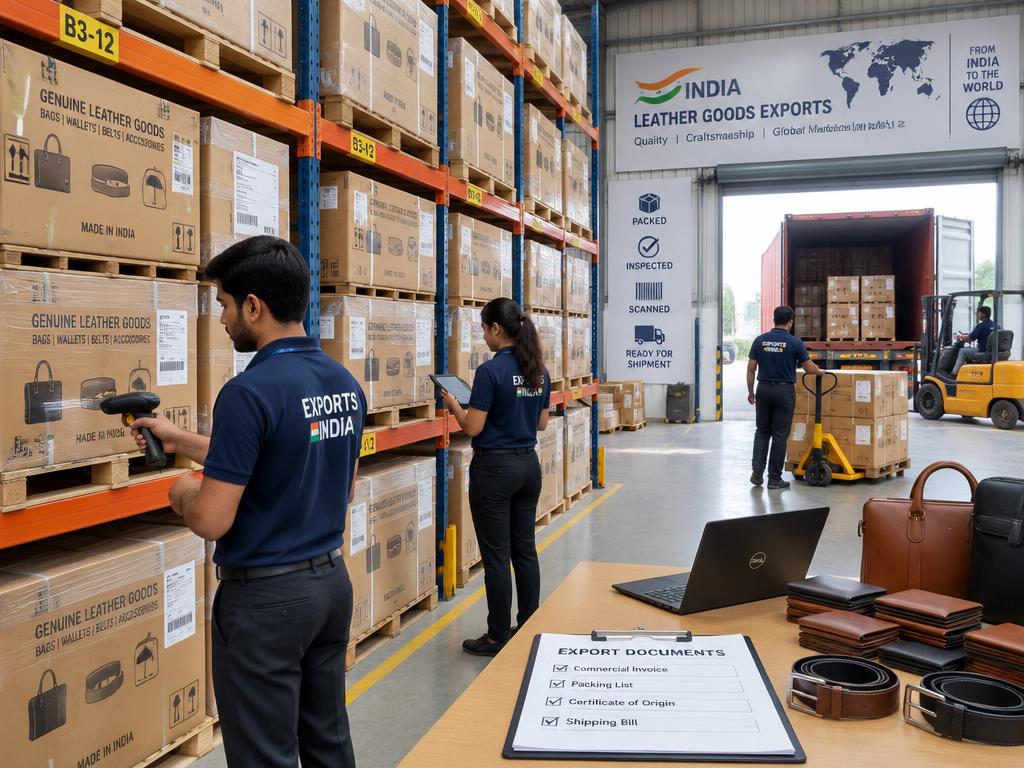
- 5AQL inspection and export packing
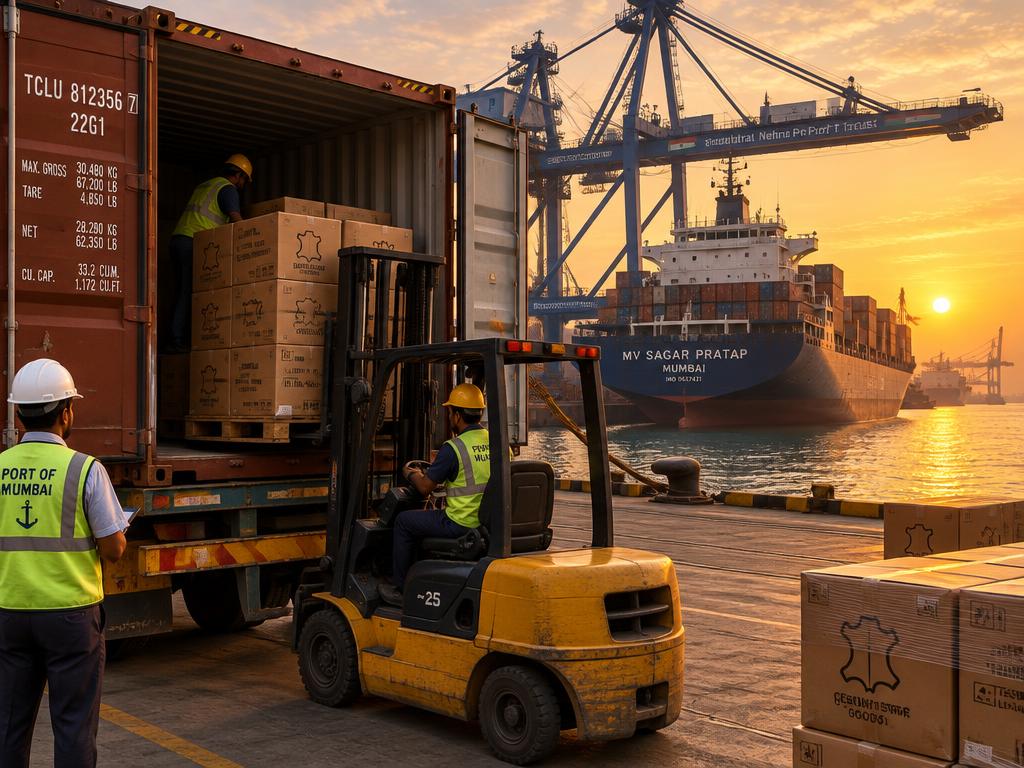
- 6Sea or air freight to Australia (FOB, CIF or DDP)
Compliance & documents
Import requirements and documents for Australia
What we classify and issue at this end, the regimes your broker will reference at yours, and the questions worth settling before the first container rather than after it.
HS classification
How Australia buyers' usual mix classifies
- HS 4202 — Trunks, briefcases, handbags, wallets, cases and similar containers
- In this market's top ten: leather tablet covers, leather crossbody bags, pu leather equipment covers, leather eyewear cases. Classification follows the outer surface, so the PU version of a style normally sits in a different subheading from the leather one.
- HS 4203 — Articles of apparel and clothing accessories of leather
- In this market's top ten: leather belts, leather jackets.
- HS 4205 — Other articles of leather
- In this market's top ten: leather menu covers & folders. A mixed gift set is usually classified by its dominant article rather than as a set.
- HS 4201 — Saddlery and harness, including collars and leads
- Also produced here: leather pet accessories.
- HS 9113 — Watch straps, bands and bracelets
- Also produced here: leather watch straps.
Heading level only. The final 8–10 digit tariff line is set by your own country's schedule and your customs broker classifies the goods on the import side — we state the heading on the invoice, we do not classify for you.
Paperwork
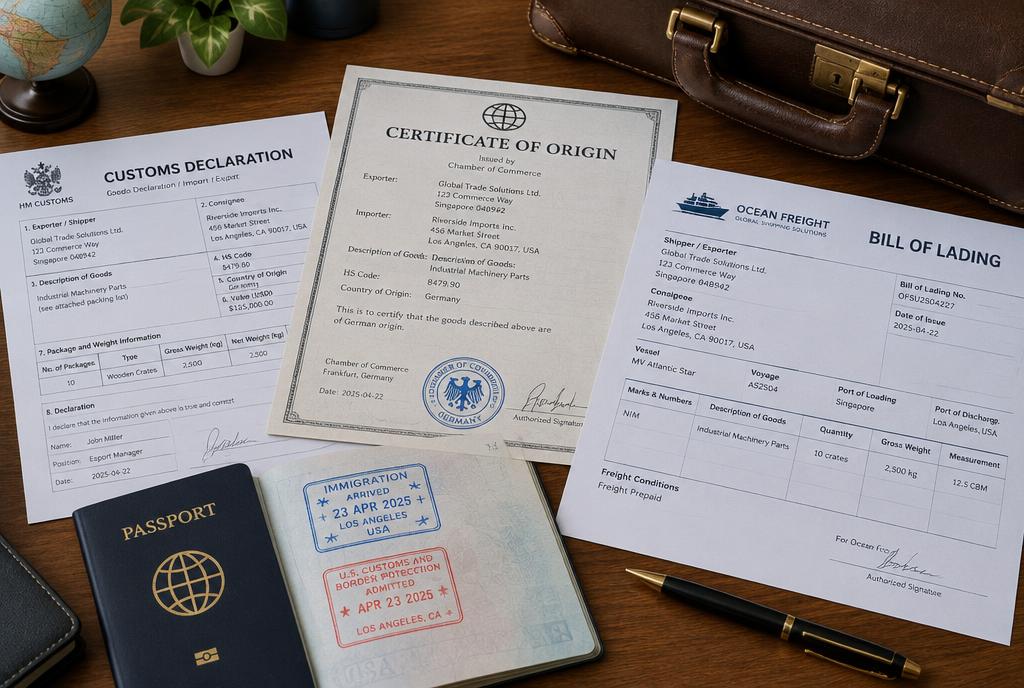
The export document set we issue
- Commercial invoice
- Line-level description with the HS heading, quantity, unit and total value, the incoterm, the currency, your PO reference and both parties' registration details.
- Packing list
- Carton-by-carton contents with pack quantity, net and gross weight, carton dimensions and total CBM, plus the shipping marks as printed.
- Bill of lading or air waybill
- Issued by the carrier once the goods are loaded. We send you a draft to approve before it is released — corrections after release cost money and days.
- Certificate of origin
- Stating India as the country of origin. Tell us at the order stage if you need it chamber-attested or issued on a specific trade-agreement form; that is arranged before the container sails, not after.
- Inspection report
- Photographs and the AQL result from the final inspection, standard with every shipment. Third-party inspection booked by your own agency is welcome.
- Shipping marks and carton labels
- Printed to your spec — PO number, SKU, barcode, carton number and quantity. Send your distribution centre's label template with the order.
- Insurance certificate
- Issued on CIF and DDP shipments for the value and route quoted. On FOB you or your forwarder arrange cover from the Indian port onward.
- Packing declaration
- Confirming the packing materials used and that cartons are free of soil, seeds and pests — the declaration biosecurity officers look for on hide-based goods.
- Testing report (on request)
- We can have a drawn sample tested by a third-party lab for the substances in your spec. The report covers the order the sample came from; we do not issue standing compliance certificates.
Regimes your broker will reference
Australian biosecurity declaration
Hide-based goods and timber packaging are screened on arrival. We keep cartons free of plant and soil residues and supply the packing declaration; your broker lodges it with the entry.
Mandatory safety standards
Mandatory consumer standards apply to specific product categories rather than leather accessories generally. If a line is marketed for children, or carries small detachable parts or a cord, raise it before sampling.
Animal-origin and biosecurity screening
Several markets in this region screen goods made from hide. Finished, fully tanned leather articles are routinely accepted, but cartons have to be clean and free of soil, straw, seeds and insects, and a packing declaration is often requested. We issue one with every shipment to the region.
Timber packaging (ISPM 15)
If your distribution centre needs palletised delivery we can supply on ISPM 15 marked heat-treated pallets. Otherwise goods ship floor-loaded in export cartons, which is cheaper and avoids the pallet inspection entirely.
Country-of-origin labelling
Articles and retail packaging are marked 'Made in India'. Send the exact wording your market requires — origin-claim rules are not the same from one market in the region to the next.
Substance limits in the spec, not after
Each market runs its own chemical scheme rather than a single regional one. If you need limits on chromium VI, nickel release on hardware or phthalates in PU, write them into the spec and we will quote materials against them and arrange testing on request.
What your broker confirms
- The tariff line and the duty rate in force on arrival
- Whether your entry needs a biosecurity packing declaration or treatment certificate
- Country-of-origin label wording for your market
- That your importer registration and customs client number are current
- Your 3PL's inbound spec — pallet type, carton labels and booking window
Lanes & transit
Freight lanes from Kanpur to Australia
Where the goods start, where they land and how long each leg actually takes — including the inland leg from Kanpur that most quotations leave out.
- Inland leg from Kanpur
- Goods are stuffed at the unit and moved by road to the gateway port, or railed from the Kanpur inland container depot on the longer lanes. Budget 3–6 days for this leg before the vessel cut-off.
- Origin ports
- Nhava Sheva (JNPT), Navi Mumbai — Oceania services · Mundra, Gujarat — alternative west-coast service
- Origin airports
- Delhi (DEL) — our nearest international air gateway · Chennai (MAA) for east-bound services
- Destination ports
- Melbourne, Sydney (Port Botany), Brisbane, Fremantle
- Destination airports
- Sydney (SYD), Melbourne (MEL)
- Sea transit
- About 18–25 days port to port from Nhava Sheva (JNPT), Navi Mumbai, plus the inland leg at this end and clearance at yours.
- Air transit
- 3–7 days airport to airport. Worth it for sample shipments, launch stock and a missed retail window — rarely for a full bulk order.
- Container or groupage
- Most first orders move as LCL groupage. A full 20ft container becomes the cheaper option once volume justifies it; we put CBM and gross weight on the quotation so your forwarder can run the comparison.
- Export packing
- Individual dust or poly bag, inner box where the retail pack calls for it, then 5-ply export cartons with corner protection, strapped and marked. Palletised on ISPM 15 heat-treated pallets if your DC needs it.
- Incoterms we quote
- FOB, CIF or DDP.
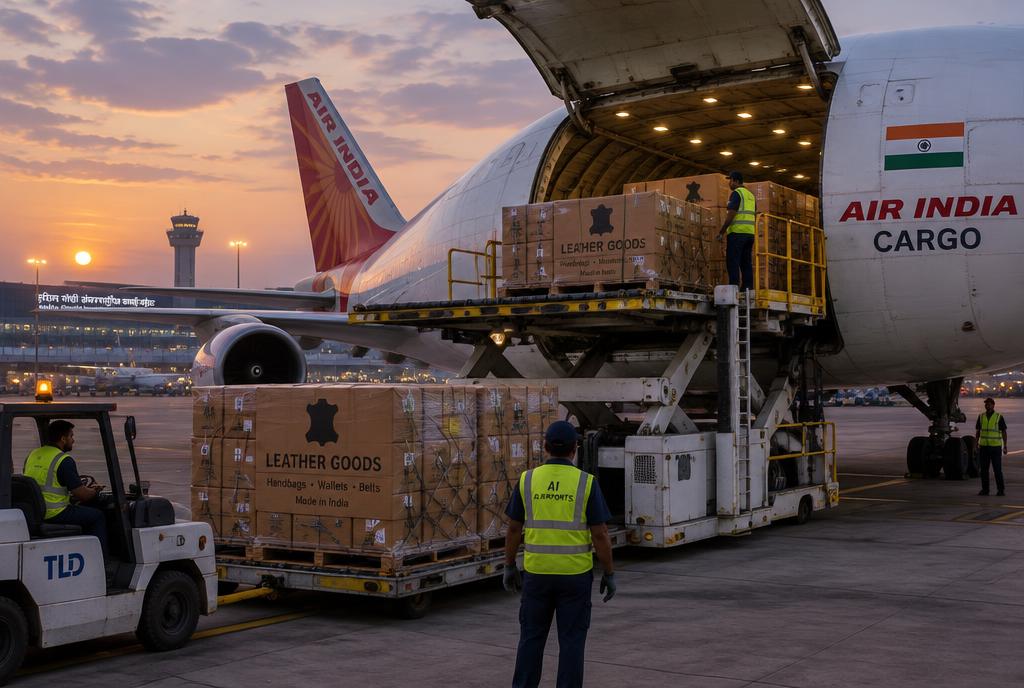
What each term means for you
FOB — you control the freight
We deliver the goods loaded at the Indian port and cleared for export. You or your forwarder book the vessel and carry cost and risk from there. Most control, most work, usually the lowest landed cost if you have a good forwarder in Australia.
CIF — we ship to your port
We book the sea freight and insurance to your named port. You handle import clearance, duty and taxes and the move from the port to your door. The simplest middle ground for a second or third order.
DDP — delivered to your door
We arrange carriage and import clearance through our forwarder's agent and deliver to your address. You still need the import registration your country requires. Ask us to confirm in writing what the DDP figure covers, because scope is where DDP quotes differ.
Landed cost, in writing
Ask for a quotation with CBM, carton pack and DDP shown separately
Send the product, quantity and your target in-warehouse date. We reply with the unit price against each incoterm you want to compare, carton pack, CBM, gross weight and the order-by date for Australia.
Order calendar
When to place the order for Australia's peaks
Worked backwards from the dates the goods have to be in your warehouse, using our own published lead times rather than an optimistic promise.
- Sample
- 7–12 days
- Bulk production
- 30–45 days
- Sea transit
- 18–25 days
- Total from go-ahead
- ≈ 7–12 weeks
- 1
Christmas and the southern summer trade
Order by early AugustGoods needed in your warehouse by early November. Samples 7–12 days + bulk 30–45 days + sea transit 18–25 days ≈ 7–12 weeks, so the order has to be placed by early August at the latest. Peak retail and peak holiday season land together here, so warehouse receiving slots and courier capacity both tighten in November.
- 2
Mother's Day
Order by early JanuaryGoods needed in your warehouse by early April. Samples 7–12 days + bulk 30–45 days + sea transit 18–25 days ≈ 7–12 weeks, so the order has to be placed by early January at the latest. A May date, so the in-warehouse deadline is April. Small leather goods and gift sets carry it.
- 3
Father's Day (September)
Order by early AprilGoods needed in your warehouse by early July. Samples 7–12 days + bulk 30–45 days + sea transit 18–25 days ≈ 7–12 weeks, so the order has to be placed by early April at the latest. Wallets, belts, washbags and briefcases. The southern-hemisphere September date catches importers who plan on a northern calendar.
Add your own buffer on top of this: sample revisions, leather and hardware booking, your internal approval cycle and port congestion all land in the same window. A repeat of an already-approved style skips sampling and runs 48–70 days from go-ahead, and air freight pulls roughly 18 days out of the plan if you are late.
Cities
Cities we deliver to in Australia
Leather goods manufacturer for Melbourne
Leather goods manufacturer for Brisbane
Leather goods manufacturer for Perth
Leather goods manufacturer for Adelaide
Leather goods manufacturer for Gold Coast
Leather goods manufacturer for Canberra
Leather goods manufacturer for Newcastle
Leather goods manufacturer for Hobart
Leather goods manufacturer for Darwin
All products for Australia
Bags
Small Leather Goods
Cases & Covers
Travel
Corporate & Lifestyle
Commercial terms
Commercial terms and payment for Australia
The terms we actually quote, written out before you ask — and how to read the quotation when it arrives so you can compare it with the others on your desk.
- Payment
- 30–50% advance to confirm the order and book materials, balance before dispatch, by bank transfer. The split is written on the quotation, not negotiated at dispatch.
- Quoting currency
- We can quote in AUD and we invoice in the currency on the quotation. The FX basis is fixed at quotation, so if your approval cycle runs long, ask us to re-confirm the price rather than assume it held.
- Incoterms offered
- FOB, CIF or DDP. They are not comparable prices — compare landed cost, not unit price.
- Minimum order
- From 100 pieces per design. The exact minimum is set per product — the lowest on bags, higher on small leather goods — and it is stated on every product page. Colours can be mixed inside one design's MOQ.
- Sampling
- Charged per sample plus courier, quoted before we start. The charge covers pattern-making and development time. Approved patterns stay on file in your name.
- Tooling and dies
- Clicker dies, moulds and logo plates are made once, charged once and retained for your repeats. You are not charged tooling twice for the same style.
- What a repeat order skips
- No sampling round, no new pattern, no tooling — 48–70 days from go-ahead to arrival. The price moves only if the leather, the hardware or the quantity moves.
- Inspection
- In-line checks at each station plus a final AQL audit with photographs, included. AQL 1.5 on request for luxury programmes, and third-party inspection booked by your own agency is welcome.
- Documents
- Commercial invoice, packing list, bill of lading or air waybill and certificate of origin as standard, with the rest of the set listed above.
- Confidentiality
- We sign an NDA before receiving your designs, and patterns developed for you are not sold or shown to other buyers.
Prices depend on leather, hardware, lining, branding and quantity, so we quote per enquiry rather than publish a rate card. Quotations are issued in AUD on request.
How to read our quotation
Check these before you compare our number with anyone else's — most quotation disputes come from two suppliers quoting different things.
- Unit price and which incoterm it is quoted on — FOB, CIF or DDP price the same goods differently
- MOQ per design, and whether colours can be split inside it
- Carton pack quantity, carton dimensions, total CBM and gross weight — your freight comparison needs all four
- Lead time counted from sample approval and receipt of the advance, not from the enquiry date
- Sampling and tooling charges, listed separately from the unit price
- Branding method and position — the same logo prices differently foiled, debossed or laser-engraved
- The validity date on the quotation
- What is excluded: import duty, local taxes, destination charges and, on FOB, the sea freight itself
Buying leather goods for Australia: FAQs
Can I import custom leather goods from India to Australia?+
Yes. We export regularly to Australia and handle export packing, invoices, packing lists and certificates of origin. Shipping is FOB, CIF or DDP.
What is the MOQ for leather goods shipped to Australia?+
Most products start at 100–300 pieces per design; small leather goods from 300–500. We can mix colours within a style.
How long does delivery to Australia take?+
Production takes 30–45 days. Sea freight to Australia takes about 18–25 days; air freight 3–7 days.
Do you make PU leather covers for equipment and instruments?+
Yes — padded PU and leather covers, holsters and fitted cases for electronics, meters, medical devices, optics and musical instruments, made to your dimensions.
Can you make a product that isn't on your list?+
Absolutely. Send a drawing, photo or sample and we will engineer a custom leather product for you.
What documents do you provide when shipping to Australia?+
Every shipment goes out with a commercial invoice, a packing list, the bill of lading or air waybill and a certificate of origin stating India. Shipping marks and carton labels are printed to your spec, and the final AQL inspection report with photographs is included. Insurance certificates on CIF and DDP, and third-party substance testing on a drawn sample, are available on request.
Who is the importer of record for goods shipped to Australia?+
On FOB and CIF you — or the consignee you nominate — are the importer of record and file the entry. On DDP we arrange carriage and clearance through our forwarder's agent, but you still need whatever import registration your country requires, and we set out in writing exactly what the DDP price covers before you order. We never file an entry in your name without that agreed in writing first.
Can you ship DDP to Australia?+
Yes — we quote FOB, CIF or DDP for Australia. On DDP we arrange carriage and clearance through our forwarder's agent and deliver to your address; you still need whatever import registration applies at your end. Ask us to confirm in writing what the DDP figure includes, because scope is where DDP quotes differ from one supplier to the next.
Free quote in 24 hours