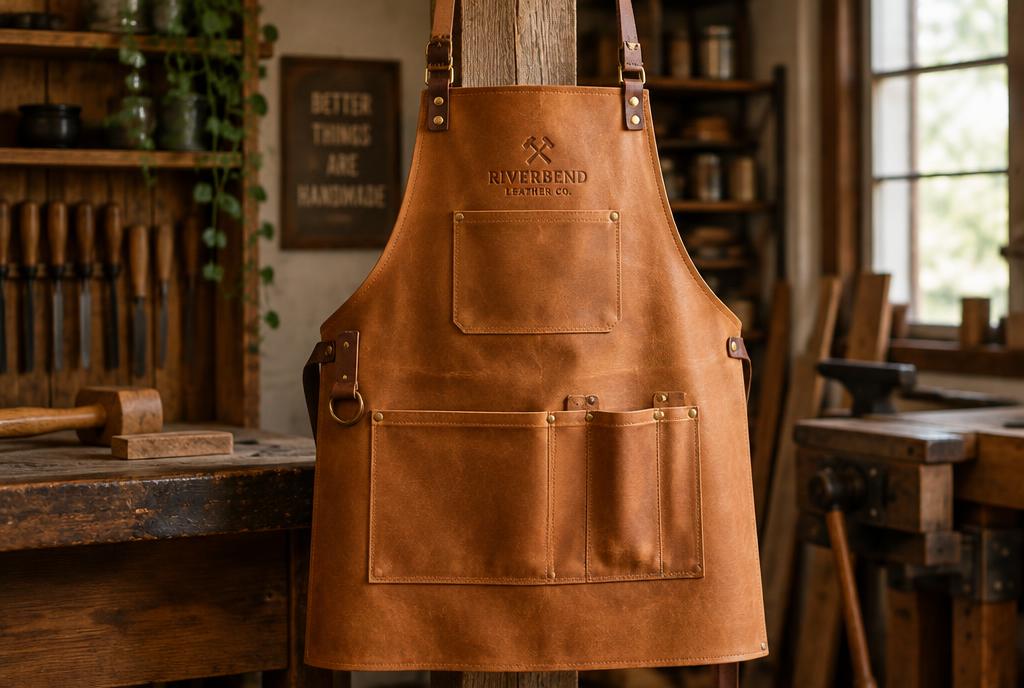
Equipment & Custom · Made in India
Leather Aprons manufacturer for international brands
We design, sample and produce custom leather aprons for café and restaurant groups, barber and salon chains, workwear brands worldwide — in genuine, PU and vegan leather, finished with your branding. MOQ 100 pieces per design.
- Capacity
- 60,000+ pieces / month
- MOQ
- From 100 pieces per design
- Sampling
- Samples in 7–12 days
- Production
- Bulk in 30–45 days
- Reach
- Exporting to 55+ countries
- Team
- 180+ skilled artisans
What we can make
- Styles: bib work apron, barista apron, chef apron, woodworking tool apron, BBQ grill apron
- Minimum order 100 pieces per design
- Full-grain, top-grain, nubuck, suede, PU and vegan options
- Logo debossing, hot-foil, laser engraving, metal plates
- Custom linings, zips, hardware, edge paint and thread colours
- Retail-ready packaging, barcodes and swing tags
Technical specification
Leather Aprons — specification sheet
What we normally build leather aprons from, and the information we need from you to pattern them. Anything on this sheet can change — send a drawing or the real item and we will quote against your spec instead.
Styles covered by this sheet
- bib work apron
- barista apron
- chef apron
- woodworking tool apron
- BBQ grill apron
- Leather & face materials
- Split, top-grain and buffalo leather in medium weights, oiled and waxed finishes; flame-resistant treated leather for forge and grill use on request.
- Typical substance
- 1.0–1.6 mm (2.5–4 oz) for a light barista or service apron; 1.6–2.4 mm (4–6 oz) for a workshop or forge apron.
- Lining
- Usually unlined, with a lined or doubled chest and pocket panels where the apron takes abrasion.
- Hardware & plating
- Rivets, eyelets, D-rings, side-release or slide buckles and webbing or leather straps in brass, nickel or black.
- Closure
- Cross-back straps, an adjustable neck loop with a buckle, and a waist tie or buckle strap.
- Edge finish
- Bound edge in matching tape, or a turned and stitched edge; cut edges on PU are heat-sealed.
- Stitching
- Lockstitch at 6–8 stitches per inch in heavy bonded nylon, with rivets and bar tacks at every strap and pocket corner.
- Construction
- Foam-cored sandwich construction — face material, foam, lining — bonded and then edge-bound or turned, with nests die-cut or routed to your drawing.
- Size & coverage
- Length, width and bib height are specified for your wearer range. State whether it is a cover-all workshop apron or a short service apron.
- Strap system
- Cross-back straps spread the load and are what professional wearers ask for; a neck loop is cheaper and quicker to put on. Both can be made adjustable.
- Pockets & tool loops
- Pocket layout, hammer loops, towel loops and pen slots are set from the trade. A barista apron and a woodworking apron are not the same product.
- Minimum order
- 100 pieces per design. Colours can usually be mixed inside that quantity, but tell us the split at enquiry stage — it affects cutting and material booking.
- Colours per style
- One or two colours per style is normal here; most buyers run a single corporate colour and vary only the branding.
- Sample lead time
- 7–12 days for a physical sample once the tech pack, leather and hardware are agreed, couriered to you with tracking.
- Bulk lead time
- 30–45 days after sample approval, depending on quantity, leather availability and whether hardware has to be plated or tooled.
- Packing
- Poly bag per piece, then bulk export carton with carton marking to your spec; kitted sets and serialised labels on request.
- Customs heading
- Normally HS heading 4203 (articles of apparel and clothing accessories of leather) — confirm the exact subheading with your customs broker.
These are typical specifications for this product line, not a fixed datasheet. The exact leather article, substance, lining, hardware, tolerances and stitch spec are written into your tech pack and confirmed on the physical sample before bulk starts — that approved sample, not this page, is the reference we produce against.
Styles & variants
Leather Aprons styles we manufacture
These are the leather aprons styles we already have patterns and sampling experience for. Each one is a different pattern and a different set of operations, which is why they do not all sit at the same price or the same lead time.
Bib work apron
Full-coverage bib apron in medium-weight leather with riveted cross-back straps and a reinforced pocket panel.
Typical useWorkshops, forges and trade programmes.
Barista apron
A shorter, lighter apron with a towel loop and a slim pocket set, cut so it does not catch on a bar counter.
Typical useCafé groups and coffee brands.
Chef apron
A clean-faced apron with minimal hardware and a wipe-clean finish, cut long for kitchen coverage.
Typical useRestaurant groups and hospitality suppliers.
Woodworking tool apron
A heavier apron with deep tool pockets, hammer and pencil loops, and rivets at every pocket corner.
Typical useTool brands and maker-market ranges.
BBQ grill apron
A heat-tolerant leather apron with a plain front panel for branding and a towel loop; treated leather on request.
Typical useGrill brands and gifting ranges.
Need a style that is not listed? We pattern to your drawing or your existing sample under OEM manufacturing, or you can start from custom leather products if the article does not exist yet.
Branding & finishing
Making leather aprons look like yours
Branding is the part buyers get wrong most often, usually by deciding it after the pattern is finalised. On leather aprons we mark the usable branding area on the pattern first, then prove the method on your actual leather at sampling.
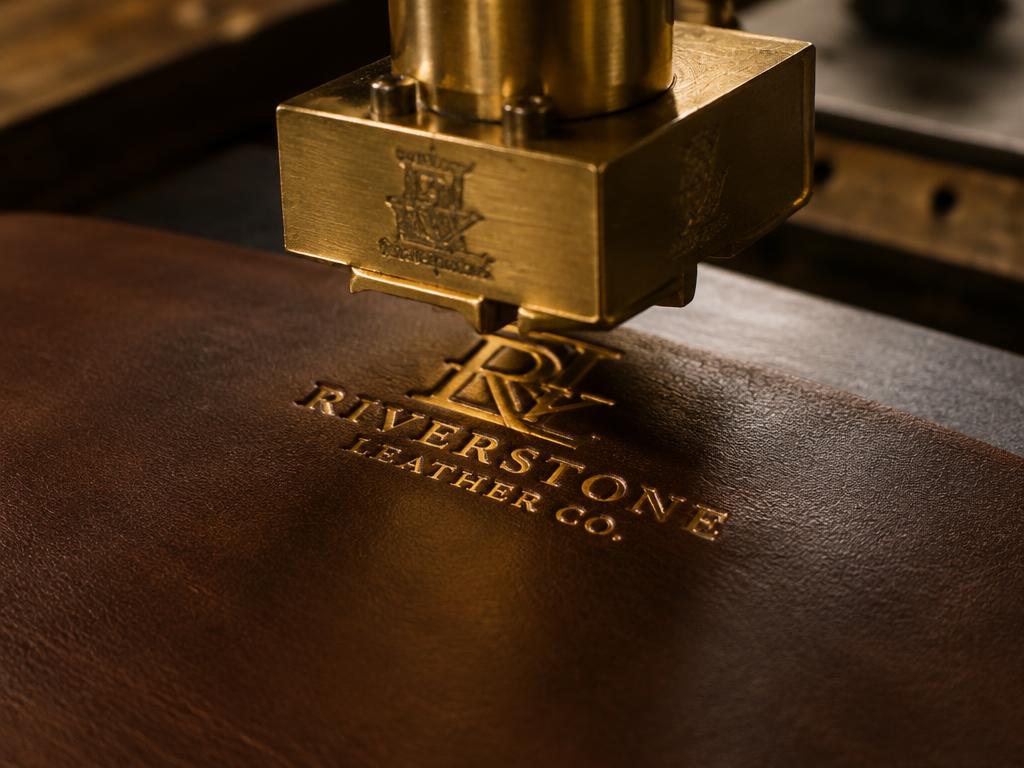
Blind deboss & hot foilA brass die cut from your artwork, pressed blind or foiled in gold, silver, copper or a pigment. On leather aprons it normally sits on the chest panel or the lower pocket. Depth and crispness depend on the tannage, so we run a trial on your chosen leather before bulk. 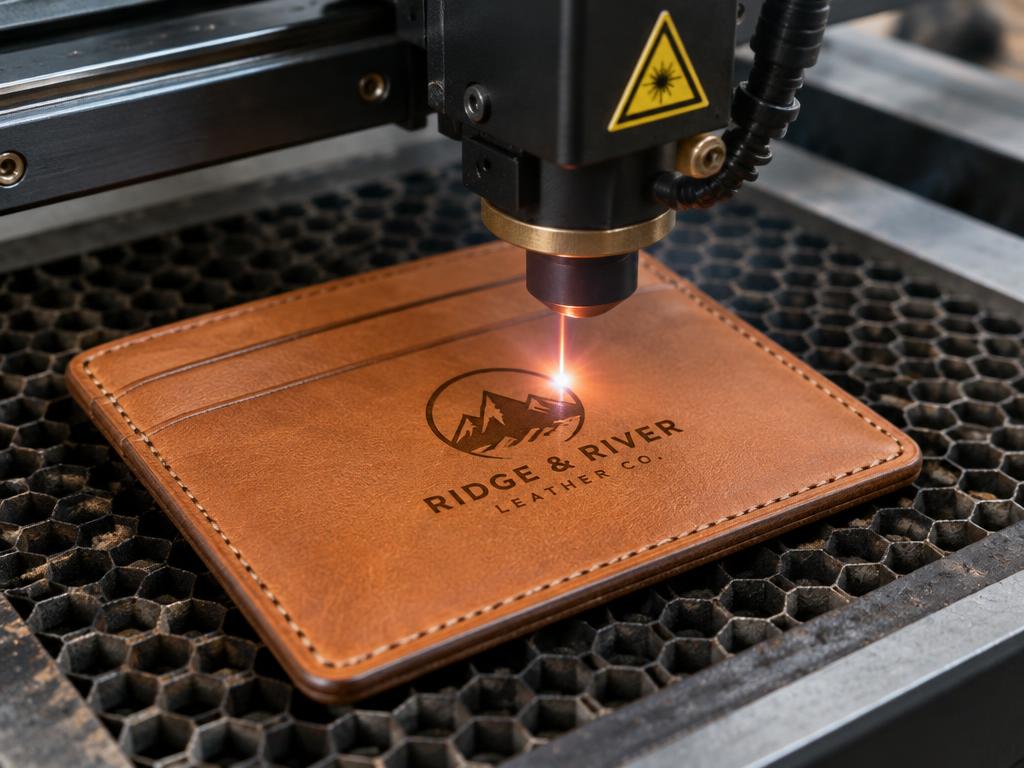
Laser engravingHolds fine detail and small type that a deboss die would close up. It is also how we run per-piece initials, names and serial numbers on leather aprons from a list you supply. 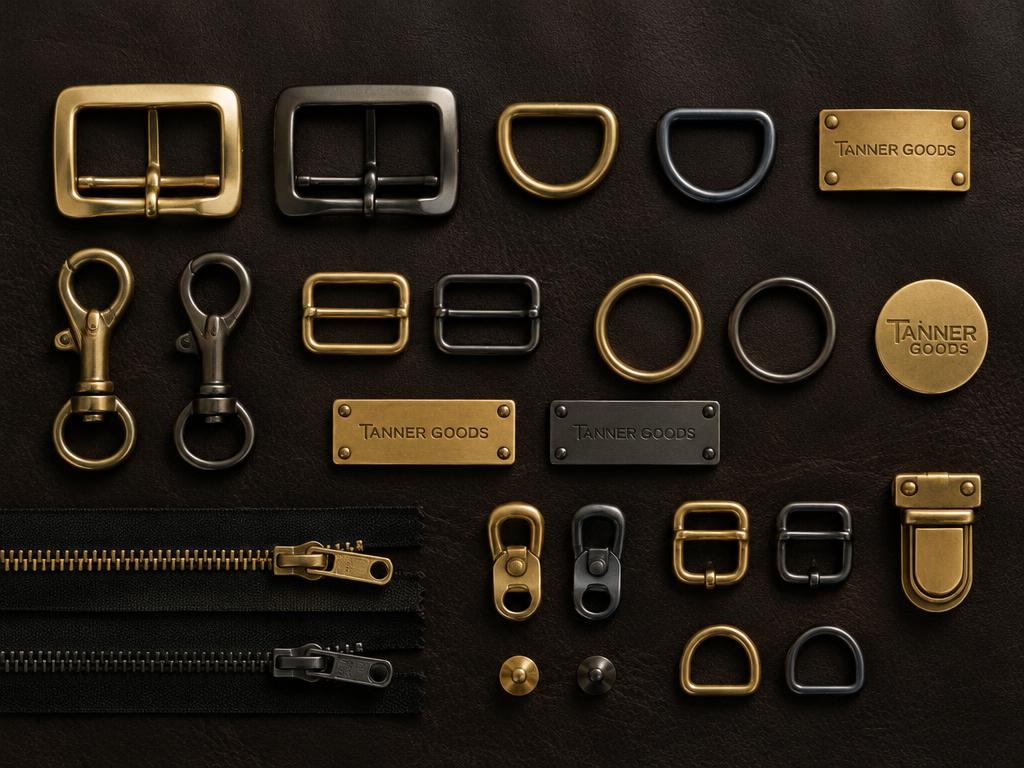
Hardware & metal platesRivets, eyelets, D-rings, side-release or slide buckles and webbing or leather straps in brass, nickel or black. Logo plates and badges are engraved or cast from your artwork and then set, riveted or stitched in place. 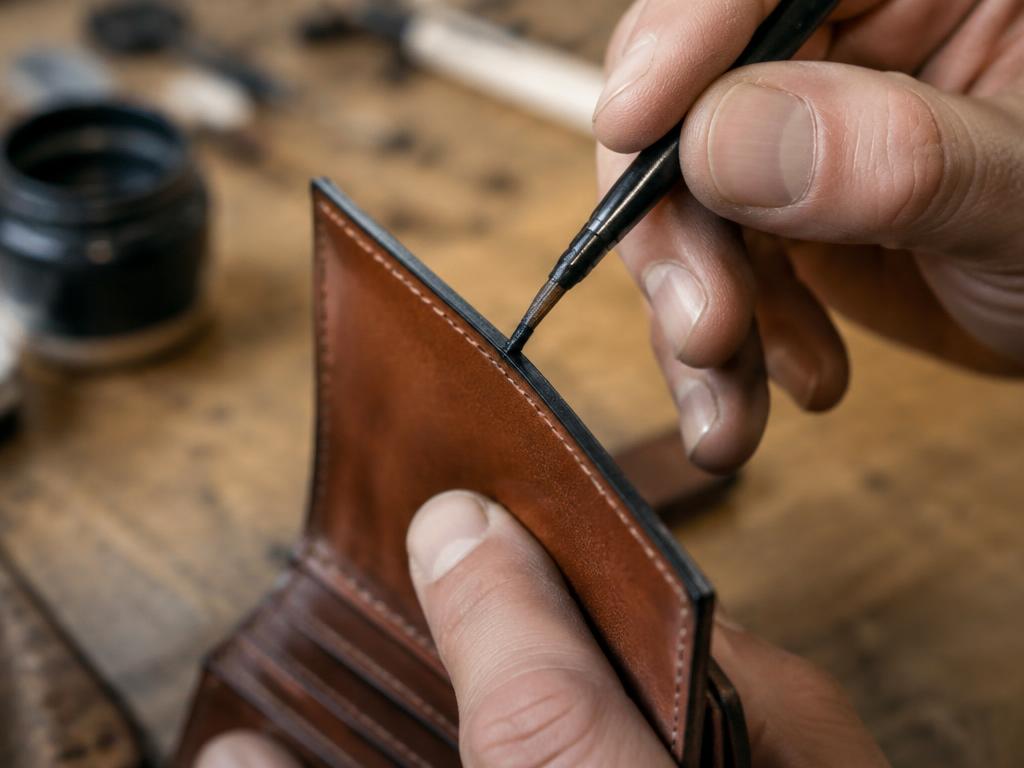
Edge finishBound edge in matching tape, or a turned and stitched edge; cut edges on PU are heat-sealed. Edge colour is a design decision: matched for a quiet finish, contrasted when you want the construction to read across a shop floor.
Materials, thread and packaging
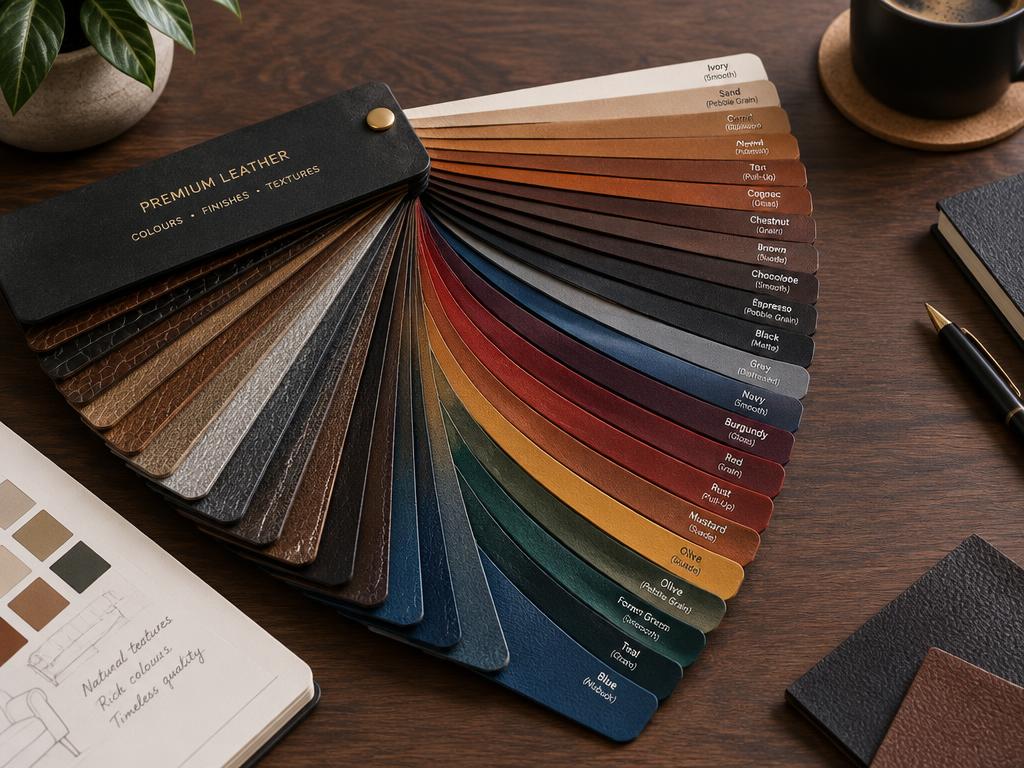
Leather & colour matchingPhysical swatch cards go out before sampling, because screens lie about leather. One or two colours per style is normal here; most buyers run a single corporate colour and vary only the branding. 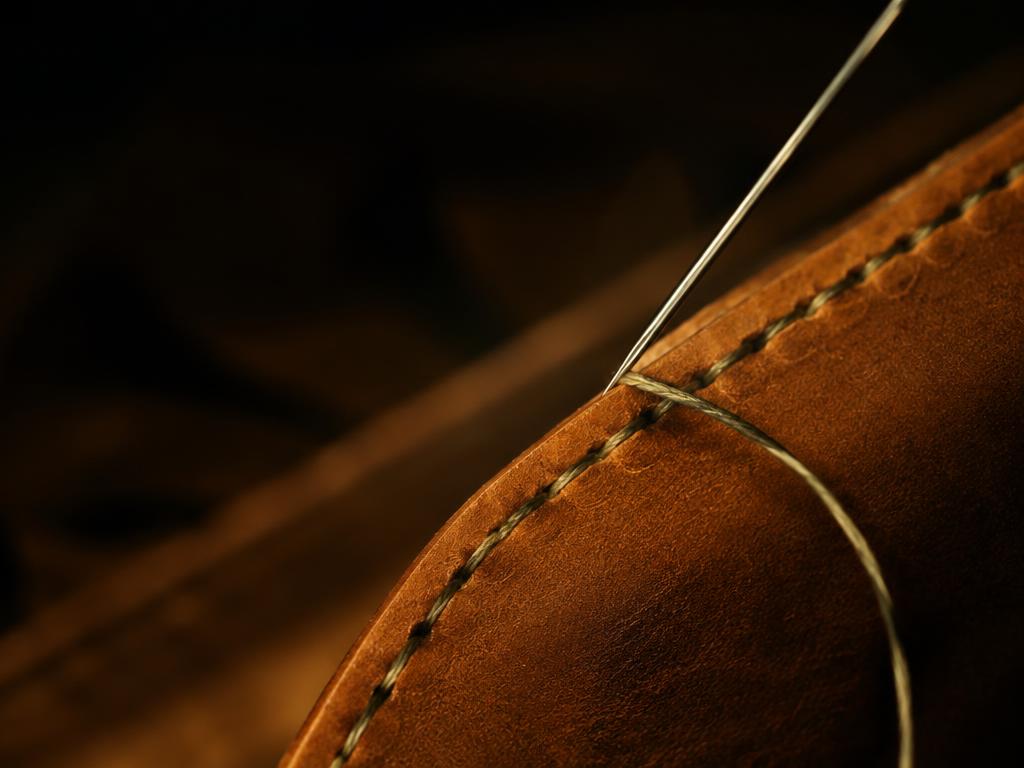
Thread & stitch specStitch pitch and thread colour are part of the design. Typical here: lockstitch at 6–8 stitches per inch in heavy bonded nylon, with rivets and bar tacks at every strap and pocket corner. 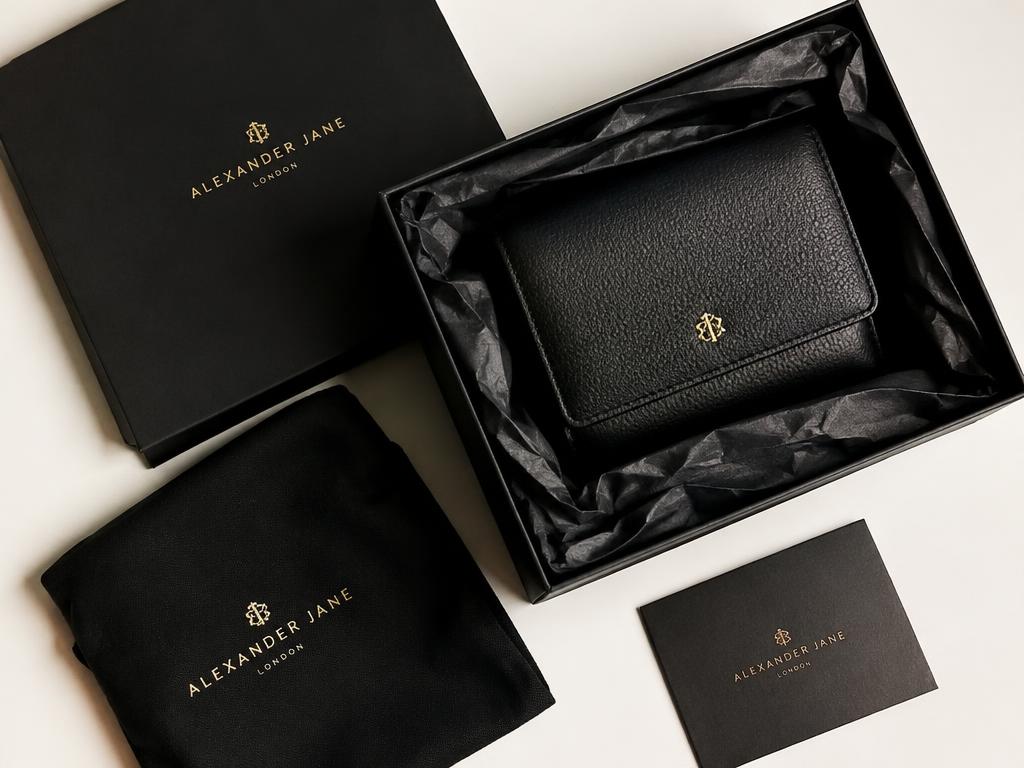
Packaging & labellingPoly bag per piece, then bulk export carton with carton marking to your spec; kitted sets and serialised labels on request. Boxes, dust bags, swing tags and barcode labels are produced to your artwork alongside the goods.
What else you can change
- Backing or backer colour chosen for how the piece is applied and what it sits against
- Engraved or cast metal logo plates, badges and rivet caps
- Woven, printed or leather labels sewn in, with care and composition text
- Thread and edge-paint colours matched to a Pantone reference or a physical sample
- Debossed size, batch or serial marks where you need traceability
- Branded gift box, kraft sleeve or cotton dust bag
- Barcode labels, swing tags, price tickets and retail-ready poly bags
- Asset tags, serial labels and carton marking to your warehouse spec
MOQ, lead time & cost
Ordering leather aprons — what changes at each order size
Our MOQ for this product is 100 pieces per design. What that buys you, and what only opens up higher up, is set out below.
Sample
- Quantity per style
- 1–3 pieces
- Typical lead time
- 7–12 days
- Colours per style
- one, in the leather you want to judge
- Branding methods
- one method, so you can judge it
- Packaging
- plain protective packing
- Inspection
- sample QC report with photos
- Patterns & tooling
- patterns made from your sketch or sample
- Shipping
- air courier, 3–7 days
Pilot run — 100 pcs
- Quantity per style
- 100 pieces (our MOQ)
- Typical lead time
- 30–40 days after approval
- Colours per style
- one or two
- Branding methods
- deboss, foil or laser
- Packaging
- poly bag and export carton
- Inspection
- final AQL 2.5 with photo report
- Patterns & tooling
- patterns kept on file
- Shipping
- air freight or part-container (LCL)
Standard order
- Quantity per style
- about 500–1,000 pieces
- Typical lead time
- 30–45 days after approval
- Colours per style
- two to four
- Branding methods
- plus metal plates, woven labels and branded zip pulls
- Packaging
- branded box or dust bag, swing tags, barcodes
- Inspection
- in-line checks plus final AQL 2.5 (1.5 on request)
- Patterns & tooling
- graded pattern set and approved reference sample retained
- Shipping
- LCL or FCL sea freight, FOB / CIF / DDP
Volume programme
- Quantity per style
- 2,000 pieces and up, usually across several styles
- Typical lead time
- scheduled monthly releases, 30–45 days each
- Colours per style
- four or more, with staggered delivery
- Branding methods
- plus custom hardware and tooling-based branding
- Packaging
- retail-ready packs and cartons marked to your warehouse spec
- Inspection
- in-line plus final AQL, with your own or a nominated inspector welcome
- Patterns & tooling
- dedicated pattern, die and hardware set kept ready for repeats
- Shipping
- FCL on a release schedule you set
| Sample | Pilot run — 100 pcs | Standard order | Volume programme | |
|---|---|---|---|---|
| Quantity per style | 1–3 pieces | 100 pieces (our MOQ) | about 500–1,000 pieces | 2,000 pieces and up, usually across several styles |
| Typical lead time | 7–12 days | 30–40 days after approval | 30–45 days after approval | scheduled monthly releases, 30–45 days each |
| Colours per style | one, in the leather you want to judge | one or two | two to four | four or more, with staggered delivery |
| Branding methods | one method, so you can judge it | deboss, foil or laser | plus metal plates, woven labels and branded zip pulls | plus custom hardware and tooling-based branding |
| Packaging | plain protective packing | poly bag and export carton | branded box or dust bag, swing tags, barcodes | retail-ready packs and cartons marked to your warehouse spec |
| Inspection | sample QC report with photos | final AQL 2.5 with photo report | in-line checks plus final AQL 2.5 (1.5 on request) | in-line plus final AQL, with your own or a nominated inspector welcome |
| Patterns & tooling | patterns made from your sketch or sample | patterns kept on file | graded pattern set and approved reference sample retained | dedicated pattern, die and hardware set kept ready for repeats |
| Shipping | air courier, 3–7 days | air freight or part-container (LCL) | LCL or FCL sea freight, FOB / CIF / DDP | FCL on a release schedule you set |
What moves the unit cost
We do not publish prices for leather aprons, because a quote only means something against a spec. These are the factors that actually move your unit cost, so you can tell which questions in our enquiry reply are the expensive ones.
Leather grade & tannage
Full-grain from a good tannery, a corrected-grain article and PU are three different cost structures for the same pattern. This is usually the biggest single lever.
Leather yield
How the panels nest on a hide. A hide is an irregular shape with weak areas, so large or awkward panels waste more of it, and leather aprons with one big panel cost more than their area suggests.
Hardware & plating
Branded zips, cast plates and non-standard platings are tooled or sourced specially. Stock hardware in a standard plating is always cheaper.
Lining & interior
An unlined piece, a lined piece and a lined piece with pockets, interlining and reinforcement are three different builds, not three finishes.
Number of operations
Cost follows operations, not materials alone. Every extra pocket, zip, edge-paint coat and bar tack is machine and artisan time on every single piece.
Branding method
A single deboss is near-free at scale. Per-piece personalisation, multiple foil hits and custom metal plates each add a handling step per piece.
Packaging
A poly bag and a printed rigid gift box with a die-cut insert sit at opposite ends of the range, and packaging is often where a quote quietly inflates.
Order size & colour split
Quantity per colour matters more than total quantity. 400 pieces in one colour cuts and books material better than the same quantity split eight ways.
Next step
Send your leather apron spec and get a quote
A sketch, a reference photo with dimensions or an existing sample is enough to start. Samples go out in 7–12 days; bulk runs 30–45 days from approval, from 100 pieces per design.
Quality control
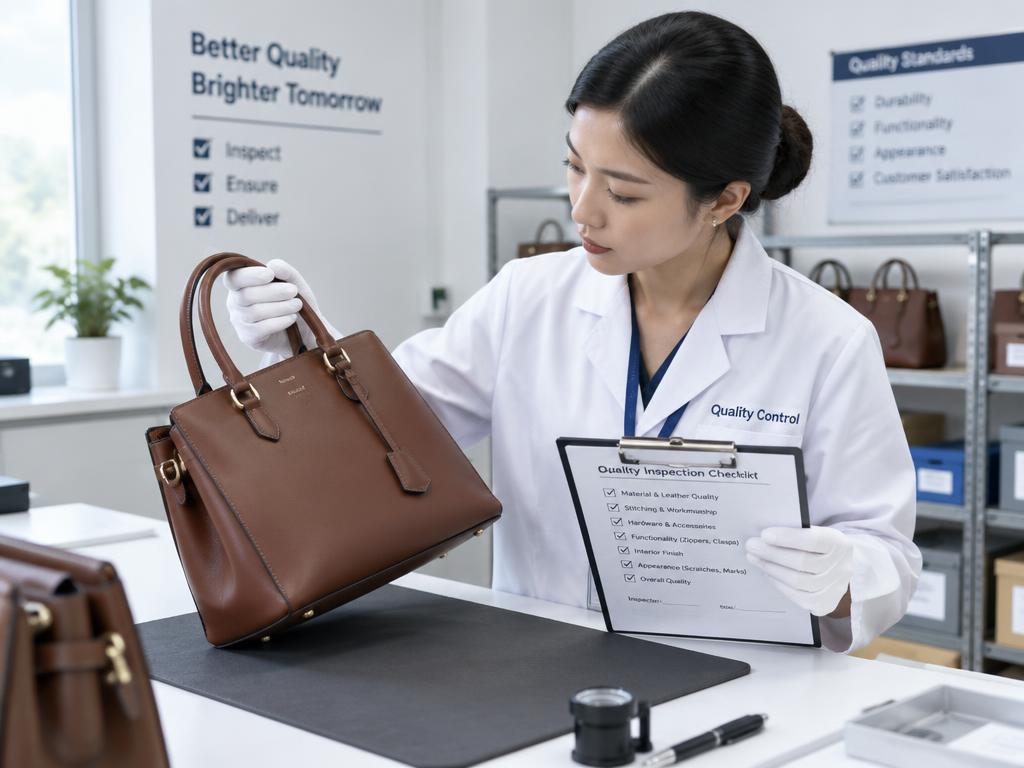
How leather aprons are checked before they ship
Inspection on leather aprons is specific to how this product fails in use, not a generic checklist. Checks run in line during production as well as at the end.
Measurement against the approved sample
Each lot is measured against the sample you signed off — overall dimensions, panel positions and component sizes — before it goes to finishing.
Dimensional check against drawing
Finished pieces are measured against your drawing and the approved sample, not just eyeballed, because a foam-cored case stacks up tolerance fast.
Fit on the real unit
Nests and pockets are checked with the actual device or an approved dummy, in and out, with the closure fastened.
Closure retention
Hook-and-loop, clips and studs are cycled and loaded so the unit stays put when the case is carried upside down or knocked.
Stitch density & bar tacks
Stitch count per inch, seam alignment and bar tacks at stress points are checked in line, not only at final inspection. The spec here is lockstitch at 6–8 stitches per inch in heavy bonded nylon, with rivets and bar tacks at every strap and pocket corner.
Final AQL inspection
AQL 2.5 final inspection as standard with a photo report before dispatch. AQL 1.5 or 100% inspection on request, agreed before production starts.
Testing & documentation on request
- Colour fastness, rub and flex checks on request, with the test method agreed in advance
- Third-party lab testing arranged through an accredited lab on request — for example REACH SVHC screening, azo dye or nickel-release testing where your market needs it for leather aprons
- Buyer-nominated inspection, or your own QC team, welcome at the factory before dispatch
- Pre-production and shipment samples retained so a later claim can be checked against what was approved
- Material declarations and supplier statements for leather, lining, adhesives and hardware on request
- Carton marking, barcode verification and packing-list reconciliation before loading
- Standard export document set: commercial invoice, packing list, bill of lading or air waybill, and certificate of origin
More on inspection levels and reporting on our quality control page, and on how an order runs on our production process page.
Process
How we produce your order
- 01
Brief & tech pack
Share sketches, references or a tech pack. We advise on leather, hardware and cost.
- 02
Sampling
Pattern-making and a physical sample in 7–12 days, couriered to you for approval.
- 03
Branding & packaging
Logo deboss, foil, engraving, labels, dust bags and printed boxes finalised.
- 04
Production
Cutting, skiving, stitching and edge finishing by skilled artisans — 30–45 days.
- 05
Quality inspection
In-line checks and final AQL 2.5 inspection (1.5 on request) with photo reports.
- 06
Export & delivery
Export documents, sea or air freight, FOB / CIF / DDP to your door.
Leather Aprons — buyer FAQs
What is the minimum order for custom leather aprons?+
100 pieces per design is our standard MOQ for leather aprons, and colours can usually be mixed inside that quantity — tell us the split at enquiry stage because it affects cutting and material booking. For a genuinely new brand we will sometimes agree a smaller pilot run; ask rather than assume.
Can you copy or match a leather apron I already have?+
Yes, and it is the fastest route to an accurate quote. Send the physical piece. We pattern it, identify the leather, lining and hardware, and quote against it. Where an article has been discontinued we propose the nearest equivalent and show it to you on the sample rather than substituting it quietly. We will not reproduce another brand's trademarked design or logo.
Which leather suits leather aprons best?+
Split, top-grain and buffalo leather in medium weights, oiled and waxed finishes; flame-resistant treated leather for forge and grill use on request. Typical substance for this product: 1.0–1.6 mm (2.5–4 oz) for a light barista or service apron; 1.6–2.4 mm (4–6 oz) for a workshop or forge apron. If you tell us the price point and how the piece will be used, we will recommend two or three articles and send swatch cards before anything is cut.
How can I get my logo on leather aprons?+
Blind debossing, hot-foil stamping, laser engraving, engraved or cast metal plates, branded zip pulls and woven labels. On leather aprons the branding normally sits on the chest panel or the lower pocket. Send vector artwork (AI, EPS or PDF) and we will show you a branding trial on your chosen leather at sampling, because depth and contrast change with tannage.
How long does a leather apron order take end to end?+
Samples in 7–12 days once the tech pack, leather and hardware are agreed. Bulk production in 30–45 days after you approve the sample. Then add transit: roughly 3–7 days by air courier, or sea freight that depends entirely on the lane — the typical transit for your market is on our country pages.
How are leather aprons packed for export?+
Poly bag per piece, then bulk export carton with carton marking to your spec; kitted sets and serialised labels on request. Branded boxes, dust bags, swing tags, barcode labels and retail-ready packs are all made to your artwork, and cartons can be marked to your warehouse or 3PL spec. Tell us if the goods go straight into a marketplace fulfilment centre — the labelling requirements there are stricter than normal retail.
Can one order mix colours and sizes?+
Yes. One or two colours per style is normal here; most buyers run a single corporate colour and vary only the branding. Sizes are ordered against a size curve — send the curve with the order, because it drives the cutting plan and the packing, not just the labels. Mixing too many colours and sizes at MOQ makes each combination very small, so we will tell you where a split stops being practical.
What do you need from me to start?+
A tech pack if you have one: dimensions, materials, hardware, colours, stitch and edge spec, plus logo artwork as a vector file. If you do not have one, a sketch, a reference photo with measurements, or a physical sample is enough — we make the patterns. For equipment cases, send a dimensioned drawing or the real unit, plus how it is carried, opened and dropped in service.
Leather Aprons manufacturer by country
- Leather Aprons for India
- Leather Aprons for USA
- Leather Aprons for United Kingdom
- Leather Aprons for Germany
- Leather Aprons for France
- Leather Aprons for Italy
- Leather Aprons for Spain
- Leather Aprons for Netherlands
- Leather Aprons for Belgium
- Leather Aprons for UAE
- Leather Aprons for Saudi Arabia
- Leather Aprons for Australia
- Leather Aprons for Canada
- Leather Aprons for Poland
- Leather Aprons for Denmark
- Leather Aprons for Sweden
- Leather Aprons for Switzerland
- Leather Aprons for Austria
- Leather Aprons for Portugal
- Leather Aprons for New Zealand
- Leather Aprons for Ireland
- Leather Aprons for Norway
- Leather Aprons for Finland
- Leather Aprons for Greece
- Leather Aprons for Czech Republic
- Leather Aprons for Romania
- Leather Aprons for Hungary
- Leather Aprons for Turkey
- Leather Aprons for Russia
- Leather Aprons for Qatar
- Leather Aprons for Kuwait
- Leather Aprons for Oman
- Leather Aprons for Bahrain
- Leather Aprons for Israel
- Leather Aprons for Mexico
- Leather Aprons for Luxembourg
- Leather Aprons for Iceland
- Leather Aprons for Croatia
- Leather Aprons for Slovenia
- Leather Aprons for Slovakia
- Leather Aprons for Bulgaria
- Leather Aprons for Serbia
- Leather Aprons for Estonia
- Leather Aprons for Latvia
- Leather Aprons for Lithuania
- Leather Aprons for Malta
- Leather Aprons for Cyprus
- Leather Aprons for Ukraine
- Leather Aprons for Monaco
- Leather Aprons for Jordan
- Leather Aprons for Lebanon
- Leather Aprons for Iraq
- Leather Aprons for Puerto Rico
- Leather Aprons for Bahamas
- Leather Aprons for Jamaica
- Leather Aprons for Costa Rica
- Leather Aprons for Panama
- Leather Aprons for Japan
- Leather Aprons for Singapore
Related products
Equipment & Custom
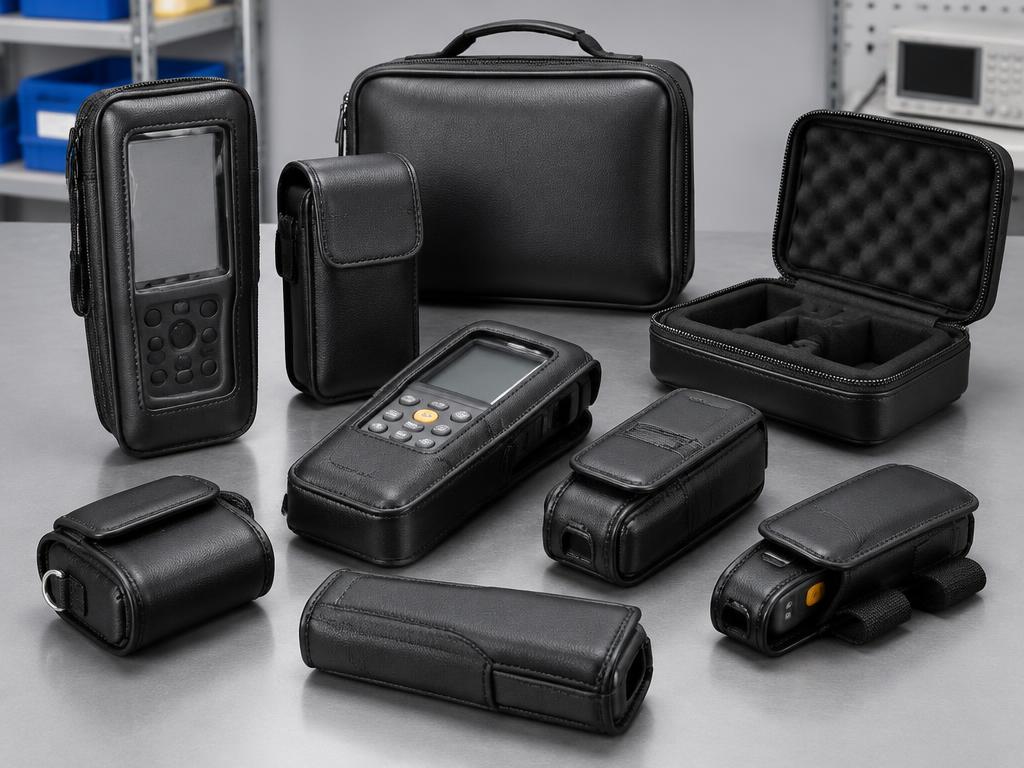
PU Leather Equipment Covers
MOQ 200 pcs · handheld device holster, padded meter case
Equipment & Custom
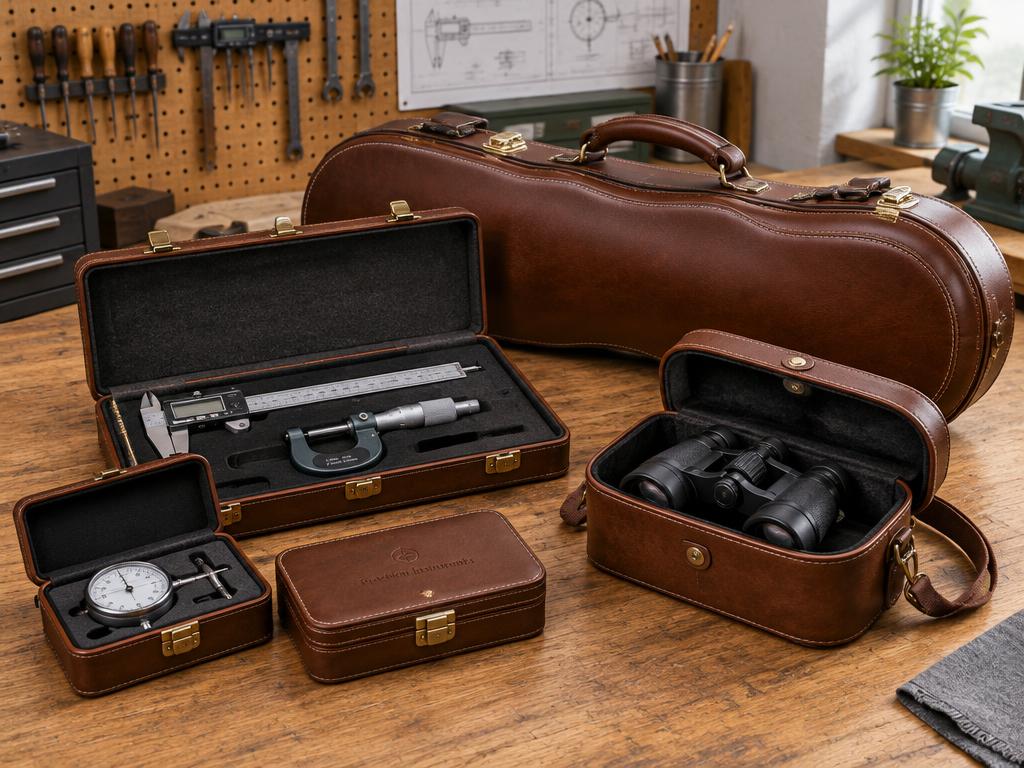
Leather Instrument Cases
MOQ 100 pcs · measuring instrument box, binocular case
Equipment & Custom
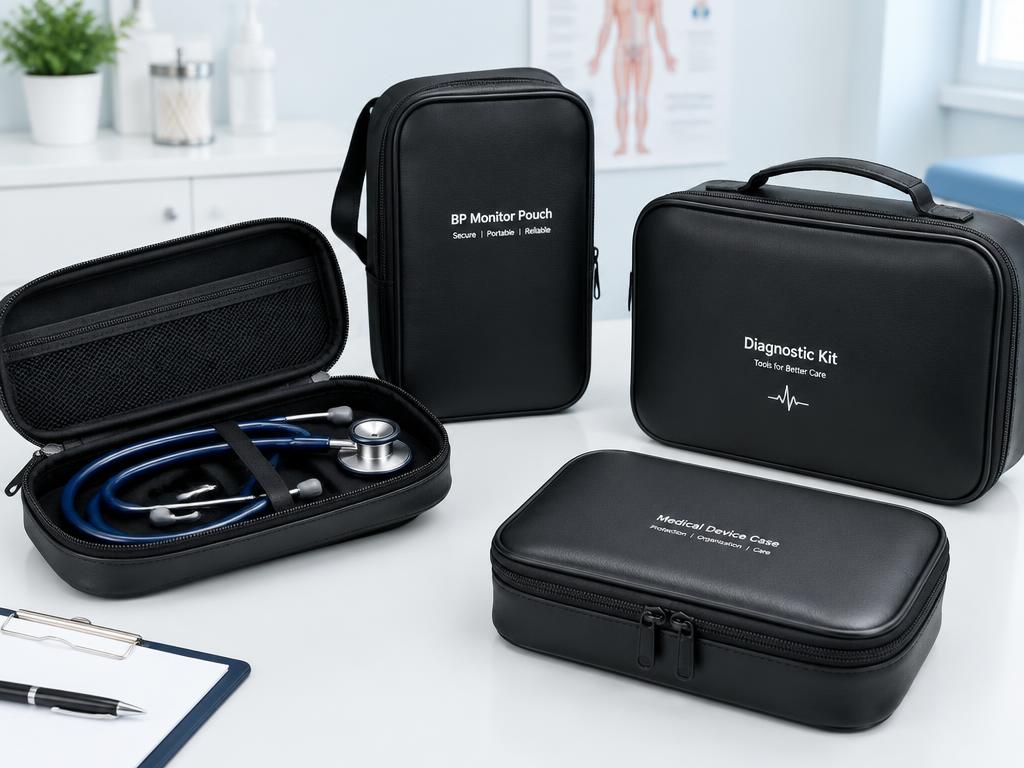
PU Leather Medical Device Cases
MOQ 200 pcs · stethoscope case, BP monitor pouch
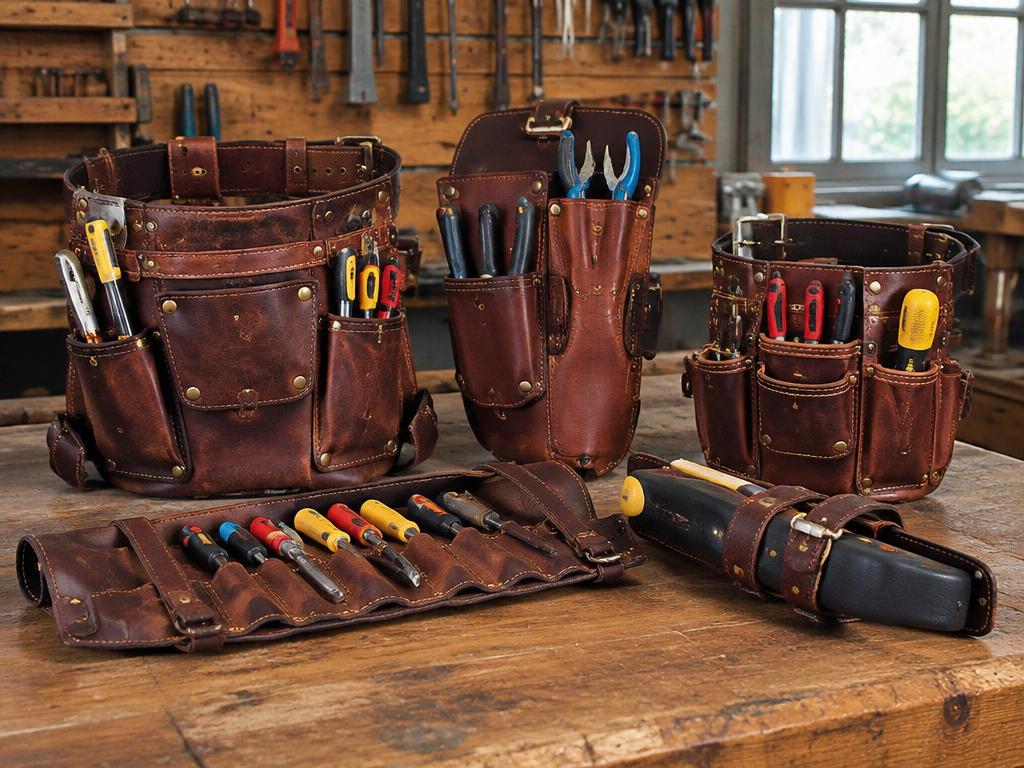
Equipment & Custom
Leather Tool Pouches & Holsters
MOQ 100 pcs · tool belt, tool roll
Free quote