Equipment & Custom · Made in India
PU Leather Medical Device Cases manufacturer for international brands
We design, sample and produce custom PU leather medical device cases for medical device companies, pharma brands, hospital suppliers worldwide — in genuine, PU and vegan leather, finished with your branding. MOQ 200 pieces per design.
- Capacity
- 60,000+ pieces / month
- MOQ
- From 100 pieces per design
- Sampling
- Samples in 7–12 days
- Production
- Bulk in 30–45 days
- Reach
- Exporting to 55+ countries
- Team
- 180+ skilled artisans
What we can make
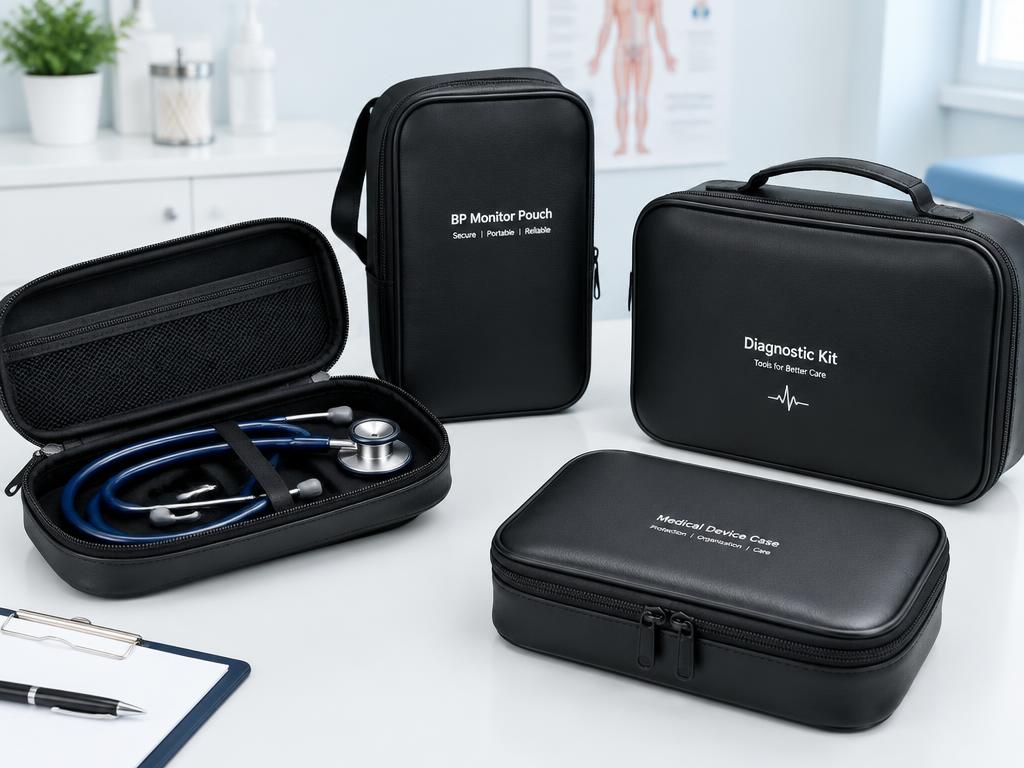
- Styles: stethoscope case, BP monitor pouch, glucometer case, diagnostic kit bag
- Minimum order 200 pieces per design
- Full-grain, top-grain, nubuck, suede, PU and vegan options
- Logo debossing, hot-foil, laser engraving, metal plates
- Custom linings, zips, hardware, edge paint and thread colours
- Retail-ready packaging, barcodes and swing tags
Technical specification
PU Leather Medical Device Cases — specification sheet
What we normally build PU leather medical device cases from, and the information we need from you to pattern them. Anything on this sheet can change — send a drawing or the real item and we will quote against your spec instead.
Styles covered by this sheet
- stethoscope case
- BP monitor pouch
- glucometer case
- diagnostic kit bag
- Leather & face materials
- PU leather and coated fabrics where the piece takes industrial duty, genuine leather where appearance matters, with ballistic nylon or webbing trims available.
- Typical substance
- 0.9–1.4 mm PU face material over 3–10 mm EVA or PE foam; genuine leather at 1.4–2.0 mm (3.5–5 oz) where it is used instead.
- Lining
- Brushed tricot, microfibre or coated wipe-clean lining; coated faces where the case is cleaned between uses.
- Hardware & plating
- Belt clips, D-rings, snap hooks, hook-and-loop, zips, press studs and metal eyelets, plated or black oxide to suit the working environment.
- Closure
- Hook-and-loop flap, press stud, zip or drawstring — chosen for whether the operator opens it one-handed in the field.
- Edge finish
- Bound edge in matching tape, or a turned and stitched edge; cut edges on PU are heat-sealed.
- Stitching
- Lockstitch at 6–8 stitches per inch in bonded nylon, with bar tacks at every clip, loop and strap anchor.
- Construction
- Foam-cored sandwich construction — face material, foam, lining — bonded and then edge-bound or turned, with nests die-cut or routed to your drawing.
- Device fit & access
- Built from the real unit or an approved dummy, with the display, controls, ports and charging access left usable so the case stays on.
- Cleanable surfaces
- Where the case is wiped between patients we spec a coated face and lining and minimise seams and stitch holes that can trap residue.
- Carry options
- Belt clip, shoulder strap, trolley loop or a fitted insert inside a larger kit bag — tell us how the clinician actually carries it.
- Regulatory scope
- We manufacture the carry case as an accessory. We are not a medical-device manufacturer and make no device claims — any regulatory marking or validation of the finished kit stays with you, and we will supply material declarations to support it.
- Minimum order
- 200 pieces per design. Colours can usually be mixed inside that quantity, but tell us the split at enquiry stage — it affects cutting and material booking.
- Colours per style
- One or two colours per style is normal here; most buyers run a single corporate colour and vary only the branding.
- Sample lead time
- 7–12 days for a physical sample once the tech pack, leather and hardware are agreed, couriered to you with tracking.
- Bulk lead time
- 30–45 days after sample approval, depending on quantity, leather availability and whether hardware has to be plated or tooled.
- Packing
- Poly bag per piece, then bulk export carton with carton marking to your spec; kitted sets and serialised labels on request.
- Customs heading
- Normally HS heading 4202 for fitted cases and containers — confirm the exact subheading for your article with your customs broker.
These are typical specifications for this product line, not a fixed datasheet. The exact leather article, substance, lining, hardware, tolerances and stitch spec are written into your tech pack and confirmed on the physical sample before bulk starts — that approved sample, not this page, is the reference we produce against.
Styles & variants
PU Leather Medical Device Cases styles we manufacture
These are the PU leather medical device cases styles we already have patterns and sampling experience for. Each one is a different pattern and a different set of operations, which is why they do not all sit at the same price or the same lead time.
Stethoscope case
A compact case or pouch with a lined channel for the tubing and a cell for the chest piece, in a wipe-clean material.
Typical useMedical device companies and clinician gifting programmes.
BP monitor pouch
A padded zip case with a nest for the monitor and separate space for the cuff and tubing, in a cleanable finish.
Typical useDevice companies shipping a case with the unit.
Glucometer case
A padded case with a die-cut foam nest for the instrument, openings for leads and display, and a carry strap or clip.
Typical useInstrument makers shipping a case in the box.
Diagnostic kit bag
A larger kit bag with die-cut or elasticated compartments laid out around your actual kit list, plus a carry strap.
Typical useHospital suppliers and field diagnostic programmes.
Need a style that is not listed? We pattern to your drawing or your existing sample under OEM manufacturing, or you can start from custom leather products if the article does not exist yet.
Branding & finishing
Making PU leather medical device cases look like yours
Branding is the part buyers get wrong most often, usually by deciding it after the pattern is finalised. On PU leather medical device cases we mark the usable branding area on the pattern first, then prove the method on your actual leather at sampling.
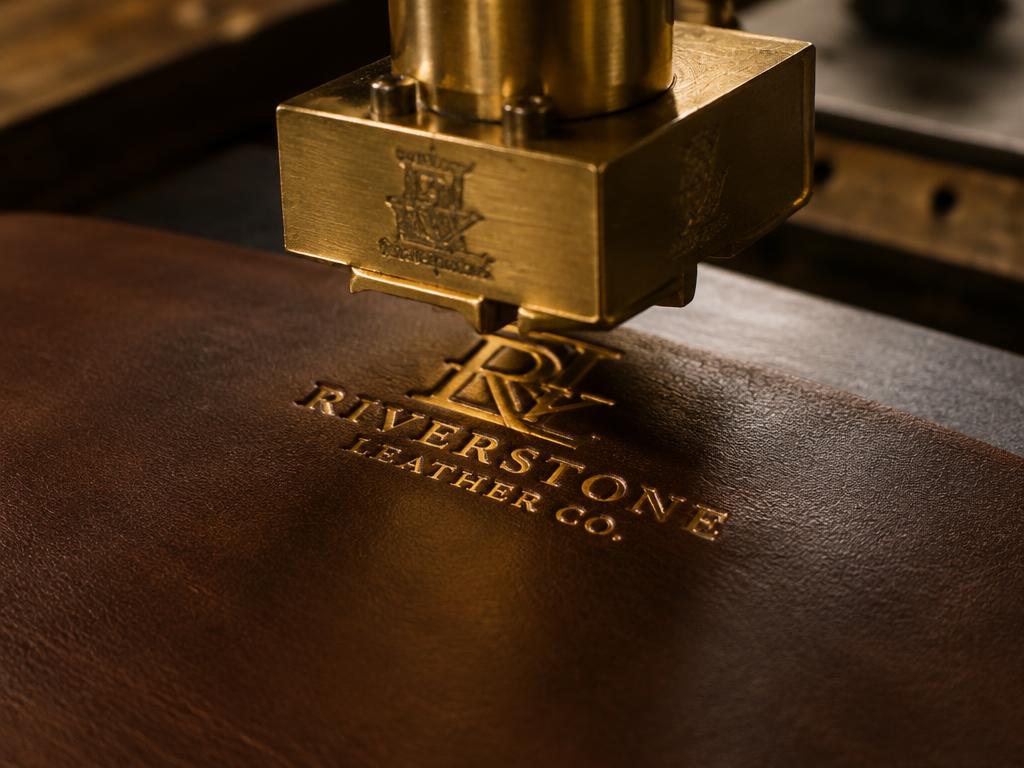
Blind deboss & hot foilA brass die cut from your artwork, pressed blind or foiled in gold, silver, copper or a pigment. On PU leather medical device cases it normally sits on the flap or the front face, clear of the closure. Depth and crispness depend on the tannage, so we run a trial on your chosen leather before bulk. 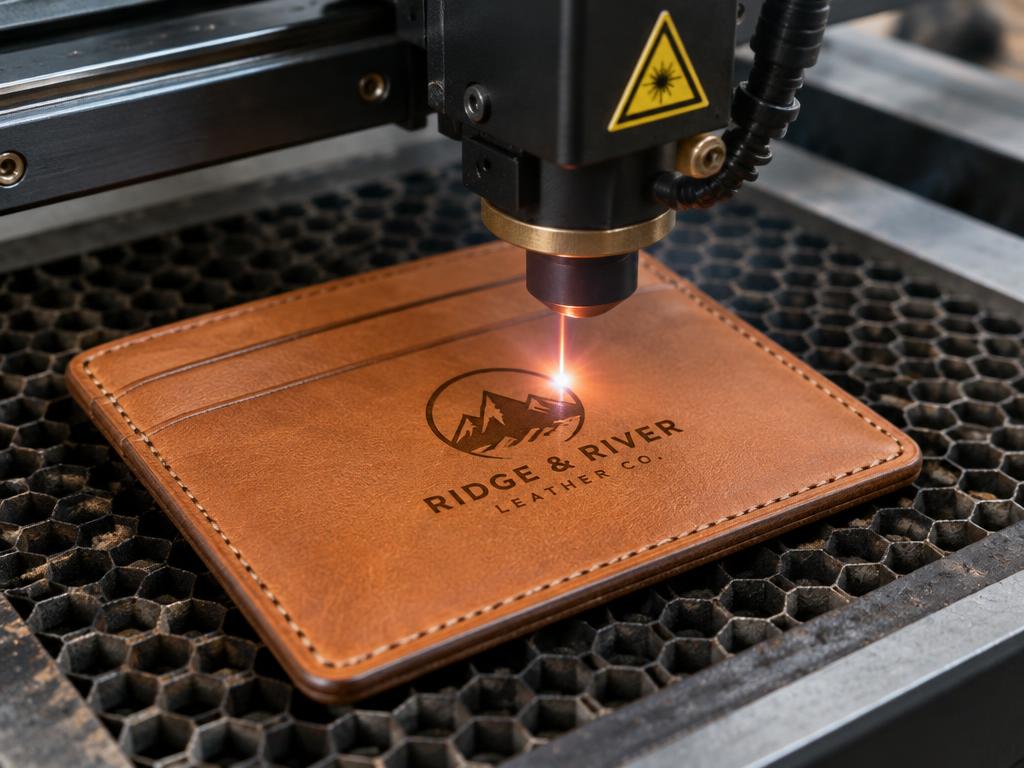
Laser engravingHolds fine detail and small type that a deboss die would close up. It is also how we run per-piece initials, names and serial numbers on PU leather medical device cases from a list you supply. 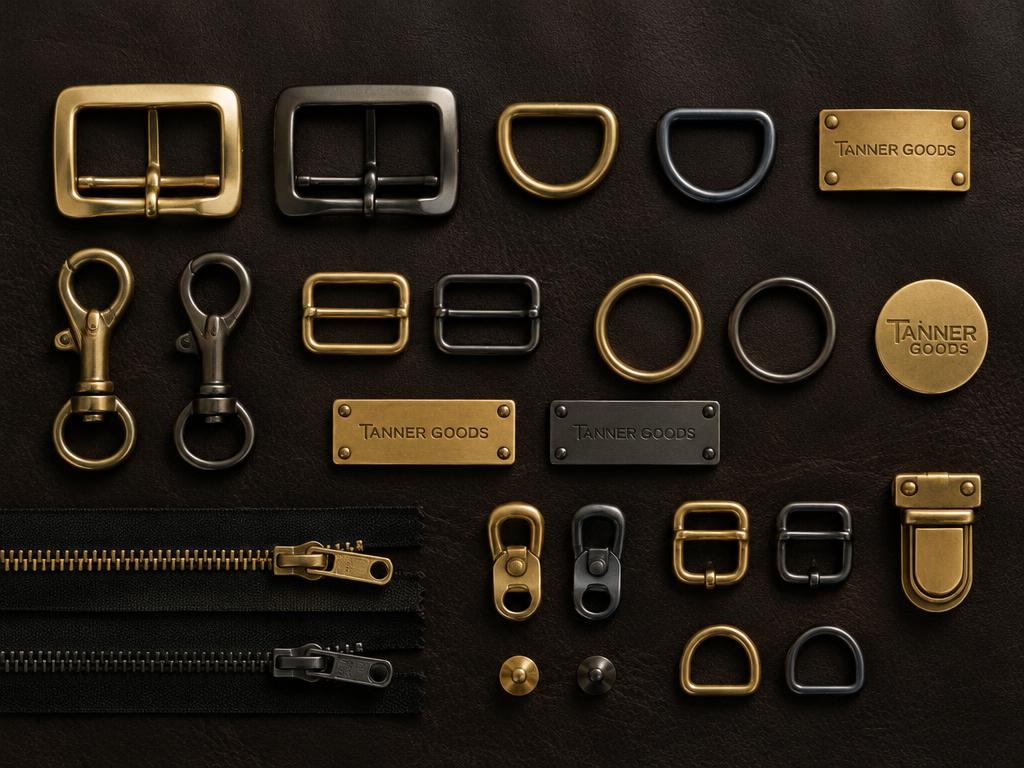
Hardware & metal platesBelt clips, D-rings, snap hooks, hook-and-loop, zips, press studs and metal eyelets, plated or black oxide to suit the working environment. Logo plates and badges are engraved or cast from your artwork and then set, riveted or stitched in place. 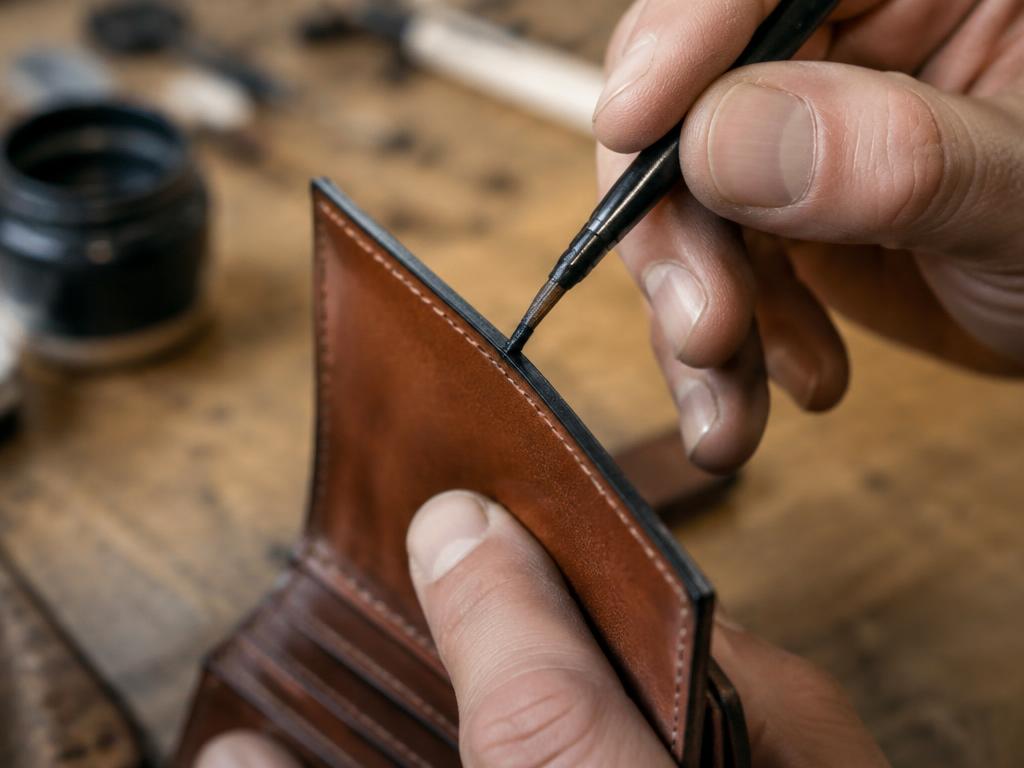
Edge finishBound edge in matching tape, or a turned and stitched edge; cut edges on PU are heat-sealed. Edge colour is a design decision: matched for a quiet finish, contrasted when you want the construction to read across a shop floor.
Materials, thread and packaging
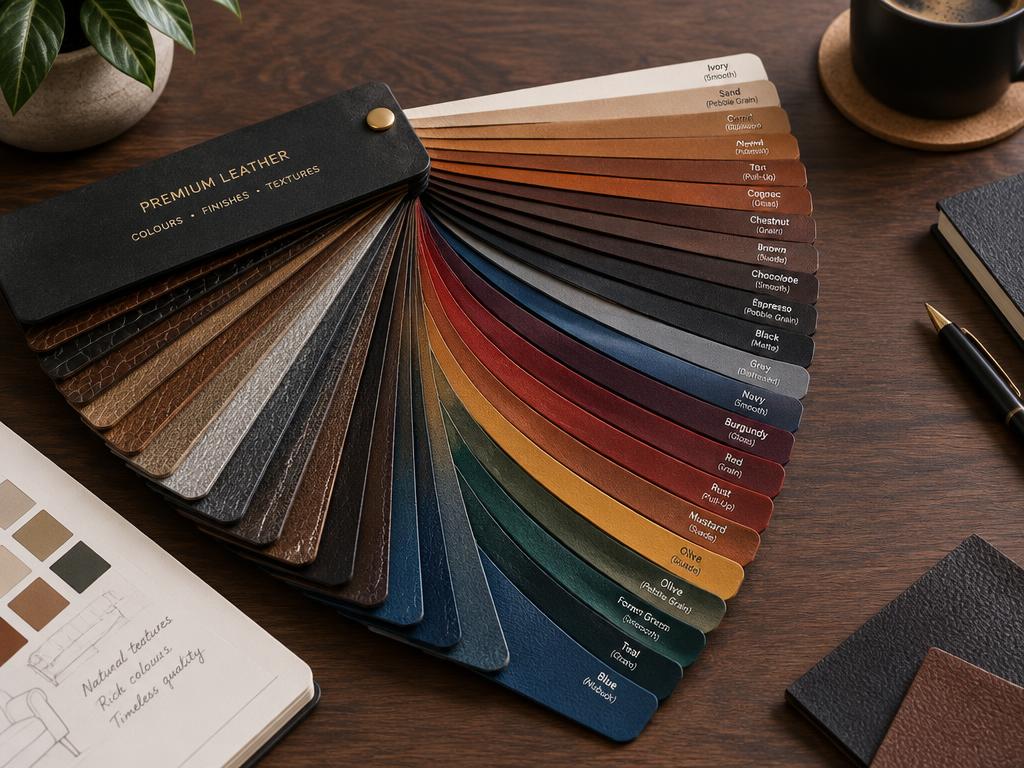
Leather & colour matchingPhysical swatch cards go out before sampling, because screens lie about leather. One or two colours per style is normal here; most buyers run a single corporate colour and vary only the branding. 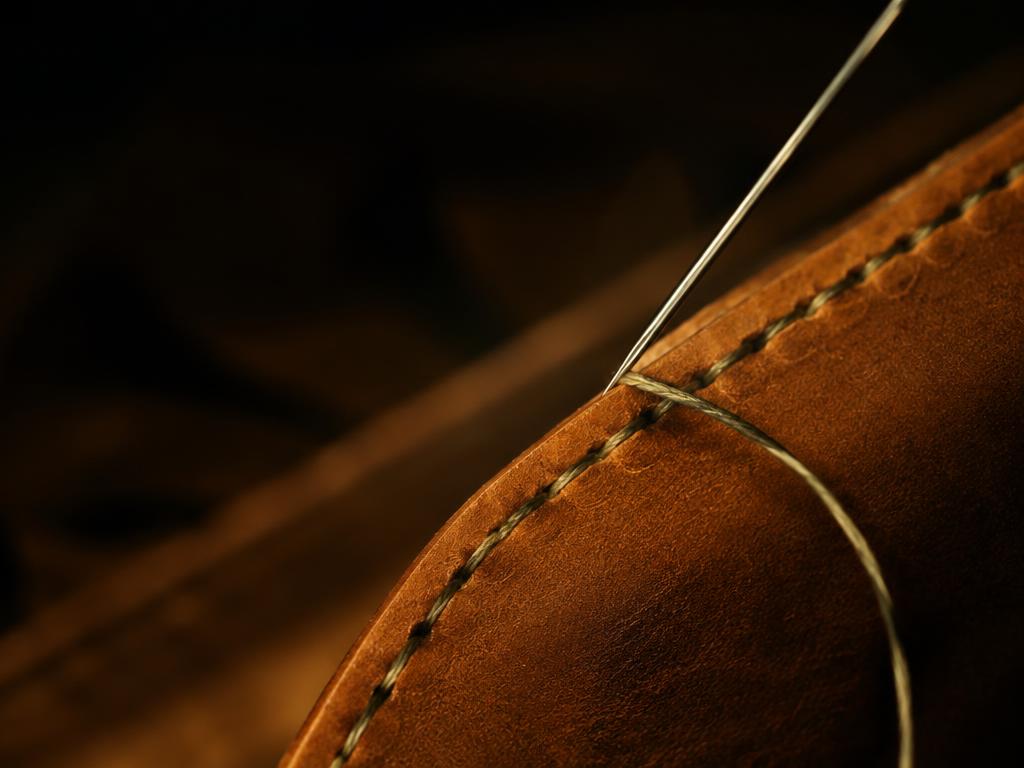
Thread & stitch specStitch pitch and thread colour are part of the design. Typical here: lockstitch at 6–8 stitches per inch in bonded nylon, with bar tacks at every clip, loop and strap anchor. 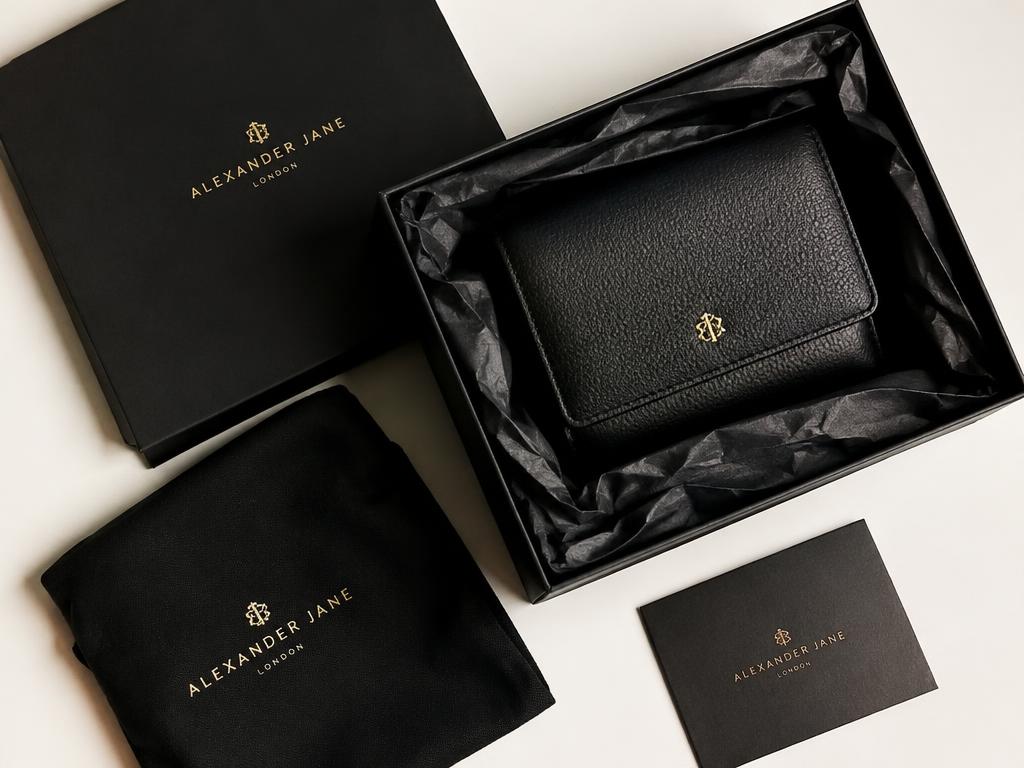
Packaging & labellingPoly bag per piece, then bulk export carton with carton marking to your spec; kitted sets and serialised labels on request. Boxes, dust bags, swing tags and barcode labels are produced to your artwork alongside the goods.
What else you can change
- Lining in your colour, or printed and jacquard lining to your artwork from moderate quantities
- Logo-stamped or custom-moulded zip pulls, with zip tape dyed to match
- Engraved or cast metal logo plates, badges and rivet caps
- Woven, printed or leather labels sewn in, with care and composition text
- Thread and edge-paint colours matched to a Pantone reference or a physical sample
- Debossed size, batch or serial marks where you need traceability
- Branded gift box, kraft sleeve or cotton dust bag
- Barcode labels, swing tags, price tickets and retail-ready poly bags
- Asset tags, serial labels and carton marking to your warehouse spec
MOQ, lead time & cost
Ordering PU leather medical device cases — what changes at each order size
Our MOQ for this product is 200 pieces per design. What that buys you, and what only opens up higher up, is set out below.
Sample
- Quantity per style
- 1–3 pieces
- Typical lead time
- 7–12 days
- Colours per style
- one, in the leather you want to judge
- Branding methods
- one method, so you can judge it
- Packaging
- plain protective packing
- Inspection
- sample QC report with photos
- Patterns & tooling
- patterns made from your sketch or sample
- Shipping
- air courier, 3–7 days
Pilot run — 200 pcs
- Quantity per style
- 200 pieces (our MOQ)
- Typical lead time
- 30–40 days after approval
- Colours per style
- one or two
- Branding methods
- deboss, foil or laser
- Packaging
- poly bag and export carton
- Inspection
- final AQL 2.5 with photo report
- Patterns & tooling
- patterns kept on file
- Shipping
- air freight or part-container (LCL)
Standard order
- Quantity per style
- about 1,000–2,000 pieces
- Typical lead time
- 30–45 days after approval
- Colours per style
- two to four
- Branding methods
- plus metal plates, woven labels and branded zip pulls
- Packaging
- branded box or dust bag, swing tags, barcodes
- Inspection
- in-line checks plus final AQL 2.5 (1.5 on request)
- Patterns & tooling
- graded pattern set and approved reference sample retained
- Shipping
- LCL or FCL sea freight, FOB / CIF / DDP
Volume programme
- Quantity per style
- 4,000 pieces and up, usually across several styles
- Typical lead time
- scheduled monthly releases, 30–45 days each
- Colours per style
- four or more, with staggered delivery
- Branding methods
- plus custom hardware and tooling-based branding
- Packaging
- retail-ready packs and cartons marked to your warehouse spec
- Inspection
- in-line plus final AQL, with your own or a nominated inspector welcome
- Patterns & tooling
- dedicated pattern, die and hardware set kept ready for repeats
- Shipping
- FCL on a release schedule you set
| Sample | Pilot run — 200 pcs | Standard order | Volume programme | |
|---|---|---|---|---|
| Quantity per style | 1–3 pieces | 200 pieces (our MOQ) | about 1,000–2,000 pieces | 4,000 pieces and up, usually across several styles |
| Typical lead time | 7–12 days | 30–40 days after approval | 30–45 days after approval | scheduled monthly releases, 30–45 days each |
| Colours per style | one, in the leather you want to judge | one or two | two to four | four or more, with staggered delivery |
| Branding methods | one method, so you can judge it | deboss, foil or laser | plus metal plates, woven labels and branded zip pulls | plus custom hardware and tooling-based branding |
| Packaging | plain protective packing | poly bag and export carton | branded box or dust bag, swing tags, barcodes | retail-ready packs and cartons marked to your warehouse spec |
| Inspection | sample QC report with photos | final AQL 2.5 with photo report | in-line checks plus final AQL 2.5 (1.5 on request) | in-line plus final AQL, with your own or a nominated inspector welcome |
| Patterns & tooling | patterns made from your sketch or sample | patterns kept on file | graded pattern set and approved reference sample retained | dedicated pattern, die and hardware set kept ready for repeats |
| Shipping | air courier, 3–7 days | air freight or part-container (LCL) | LCL or FCL sea freight, FOB / CIF / DDP | FCL on a release schedule you set |
What moves the unit cost
We do not publish prices for PU leather medical device cases, because a quote only means something against a spec. These are the factors that actually move your unit cost, so you can tell which questions in our enquiry reply are the expensive ones.
Leather grade & tannage
Full-grain from a good tannery, a corrected-grain article and PU are three different cost structures for the same pattern. This is usually the biggest single lever.
Material yield
How the panels nest on a roll. Wide or awkwardly shaped panels waste material, which is why PU leather medical device cases built from one big panel cost more than their area suggests.
Hardware & plating
Branded zips, cast plates and non-standard platings are tooled or sourced specially. Stock hardware in a standard plating is always cheaper.
Lining & interior
An unlined piece, a lined piece and a lined piece with pockets, interlining and reinforcement are three different builds, not three finishes.
Number of operations
Cost follows operations, not materials alone. Every extra pocket, zip, edge-paint coat and bar tack is machine and artisan time on every single piece.
Branding method
A single deboss is near-free at scale. Per-piece personalisation, multiple foil hits and custom metal plates each add a handling step per piece.
Packaging
A poly bag and a printed rigid gift box with a die-cut insert sit at opposite ends of the range, and packaging is often where a quote quietly inflates.
Order size & colour split
Quantity per colour matters more than total quantity. 800 pieces in one colour cuts and books material better than the same quantity split eight ways.
Next step
Send your medical device case spec and get a quote
A sketch, a reference photo with dimensions or an existing sample is enough to start. Samples go out in 7–12 days; bulk runs 30–45 days from approval, from 200 pieces per design.
Quality control
How PU leather medical device cases are checked before they ship
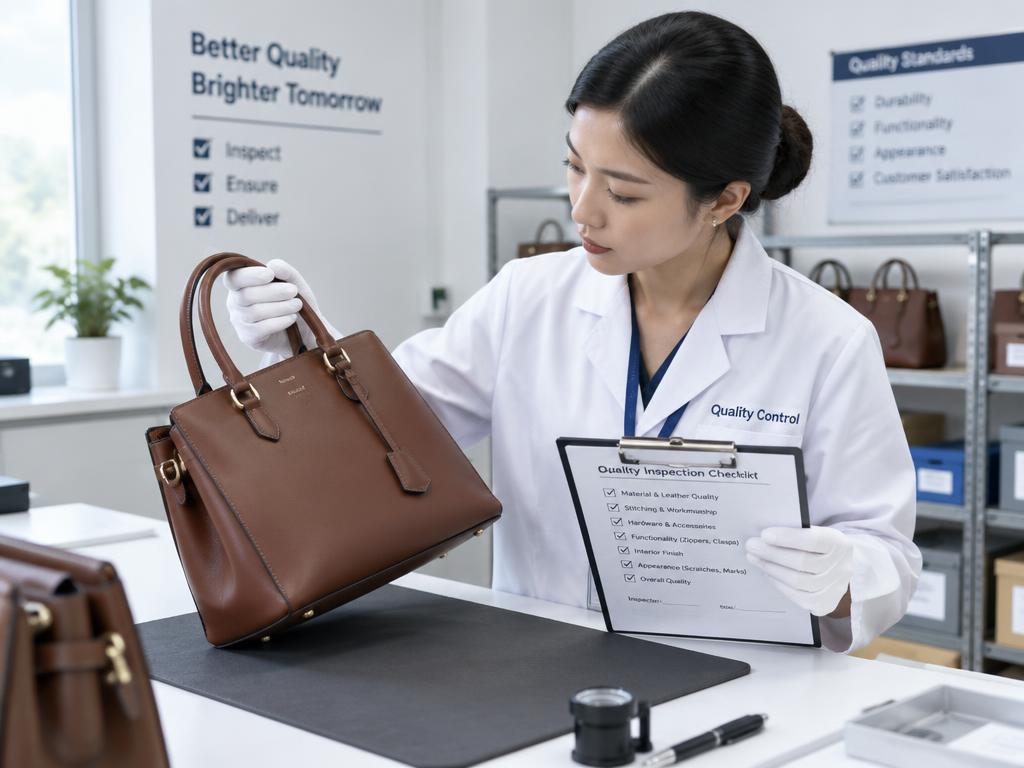
Inspection on PU leather medical device cases is specific to how this product fails in use, not a generic checklist. Checks run in line during production as well as at the end.
Measurement against the approved sample
Each lot is measured against the sample you signed off — overall dimensions, panel positions and component sizes — before it goes to finishing.
Dimensional check against drawing
Finished pieces are measured against your drawing and the approved sample, not just eyeballed, because a foam-cored case stacks up tolerance fast.
Fit on the real unit
Nests and pockets are checked with the actual device or an approved dummy, in and out, with the closure fastened.
Closure retention
Hook-and-loop, clips and studs are cycled and loaded so the unit stays put when the case is carried upside down or knocked.
Stitch density & bar tacks
Stitch count per inch, seam alignment and bar tacks at stress points are checked in line, not only at final inspection. The spec here is lockstitch at 6–8 stitches per inch in bonded nylon, with bar tacks at every clip, loop and strap anchor.
Final AQL inspection
AQL 2.5 final inspection as standard with a photo report before dispatch. AQL 1.5 or 100% inspection on request, agreed before production starts.
Testing & documentation on request
- Colour fastness, rub and flex checks on request, with the test method agreed in advance
- Third-party lab testing arranged through an accredited lab on request — for example REACH SVHC screening, azo dye or nickel-release testing where your market needs it for PU leather medical device cases
- Buyer-nominated inspection, or your own QC team, welcome at the factory before dispatch
- Pre-production and shipment samples retained so a later claim can be checked against what was approved
- Material declarations and supplier statements for leather, lining, adhesives and hardware on request
- Carton marking, barcode verification and packing-list reconciliation before loading
- Standard export document set: commercial invoice, packing list, bill of lading or air waybill, and certificate of origin
More on inspection levels and reporting on our quality control page, and on how an order runs on our production process page.
Process
How we produce your order
- 01
Brief & tech pack
Share sketches, references or a tech pack. We advise on leather, hardware and cost.
- 02
Sampling
Pattern-making and a physical sample in 7–12 days, couriered to you for approval.
- 03
Branding & packaging
Logo deboss, foil, engraving, labels, dust bags and printed boxes finalised.
- 04
Production
Cutting, skiving, stitching and edge finishing by skilled artisans — 30–45 days.
- 05
Quality inspection
In-line checks and final AQL 2.5 inspection (1.5 on request) with photo reports.
- 06
Export & delivery
Export documents, sea or air freight, FOB / CIF / DDP to your door.
PU Leather Medical Device Cases — buyer FAQs
What is the minimum order for custom PU leather medical device cases?+
200 pieces per design is our standard MOQ for PU leather medical device cases, and colours can usually be mixed inside that quantity — tell us the split at enquiry stage because it affects cutting and material booking. For a genuinely new brand we will sometimes agree a smaller pilot run; ask rather than assume.
Can you copy or match a medical device case I already have?+
Yes, and it is the fastest route to an accurate quote. Send the physical piece. We pattern it, identify the leather, lining and hardware, and quote against it. Where an article has been discontinued we propose the nearest equivalent and show it to you on the sample rather than substituting it quietly. We will not reproduce another brand's trademarked design or logo.
Which leather suits PU leather medical device cases best?+
PU leather and coated fabrics where the piece takes industrial duty, genuine leather where appearance matters, with ballistic nylon or webbing trims available. Typical substance for this product: 0.9–1.4 mm PU face material over 3–10 mm EVA or PE foam; genuine leather at 1.4–2.0 mm (3.5–5 oz) where it is used instead. If you tell us the price point and how the piece will be used, we will recommend two or three articles and send swatch cards before anything is cut.
How can I get my logo on PU leather medical device cases?+
Blind debossing, hot-foil stamping, laser engraving, engraved or cast metal plates, branded zip pulls and woven labels. On PU leather medical device cases the branding normally sits on the flap or the front face, clear of the closure. Send vector artwork (AI, EPS or PDF) and we will show you a branding trial on your chosen leather at sampling, because depth and contrast change with tannage.
How long does a medical device case order take end to end?+
Samples in 7–12 days once the tech pack, leather and hardware are agreed. Bulk production in 30–45 days after you approve the sample. Then add transit: roughly 3–7 days by air courier, or sea freight that depends entirely on the lane — the typical transit for your market is on our country pages.
How are PU leather medical device cases packed for export?+
Poly bag per piece, then bulk export carton with carton marking to your spec; kitted sets and serialised labels on request. Branded boxes, dust bags, swing tags, barcode labels and retail-ready packs are all made to your artwork, and cartons can be marked to your warehouse or 3PL spec. Tell us if the goods go straight into a marketplace fulfilment centre — the labelling requirements there are stricter than normal retail.
Can one order mix colours and styles?+
Yes, within reason. One or two colours per style is normal here; most buyers run a single corporate colour and vary only the branding. Each style is a separate pattern and a separate MOQ, so mixing styles does not pool into one minimum. Mixing colours inside a style usually does — confirm the split with us first, because a quantity divided too many ways stops being economical to cut.
What do you need from me to start?+
A tech pack if you have one: dimensions, materials, hardware, colours, stitch and edge spec, plus logo artwork as a vector file. If you do not have one, a sketch, a reference photo with measurements, or a physical sample is enough — we make the patterns. For equipment cases, send a dimensioned drawing or the real unit, plus how it is carried, opened and dropped in service.
PU Leather Medical Device Cases manufacturer by country
- PU Leather Medical Device Cases for India
- PU Leather Medical Device Cases for USA
- PU Leather Medical Device Cases for United Kingdom
- PU Leather Medical Device Cases for Germany
- PU Leather Medical Device Cases for France
- PU Leather Medical Device Cases for Italy
- PU Leather Medical Device Cases for Spain
- PU Leather Medical Device Cases for Netherlands
- PU Leather Medical Device Cases for Belgium
- PU Leather Medical Device Cases for UAE
- PU Leather Medical Device Cases for Saudi Arabia
- PU Leather Medical Device Cases for Australia
- PU Leather Medical Device Cases for Canada
- PU Leather Medical Device Cases for Poland
- PU Leather Medical Device Cases for Denmark
- PU Leather Medical Device Cases for Sweden
- PU Leather Medical Device Cases for Switzerland
- PU Leather Medical Device Cases for Austria
- PU Leather Medical Device Cases for Portugal
- PU Leather Medical Device Cases for New Zealand
- PU Leather Medical Device Cases for Ireland
- PU Leather Medical Device Cases for Norway
- PU Leather Medical Device Cases for Finland
- PU Leather Medical Device Cases for Greece
- PU Leather Medical Device Cases for Czech Republic
- PU Leather Medical Device Cases for Romania
- PU Leather Medical Device Cases for Hungary
- PU Leather Medical Device Cases for Turkey
- PU Leather Medical Device Cases for Russia
- PU Leather Medical Device Cases for Qatar
- PU Leather Medical Device Cases for Kuwait
- PU Leather Medical Device Cases for Oman
- PU Leather Medical Device Cases for Bahrain
- PU Leather Medical Device Cases for Israel
- PU Leather Medical Device Cases for Mexico
- PU Leather Medical Device Cases for Luxembourg
- PU Leather Medical Device Cases for Iceland
- PU Leather Medical Device Cases for Croatia
- PU Leather Medical Device Cases for Slovenia
- PU Leather Medical Device Cases for Slovakia
- PU Leather Medical Device Cases for Bulgaria
- PU Leather Medical Device Cases for Serbia
- PU Leather Medical Device Cases for Estonia
- PU Leather Medical Device Cases for Latvia
- PU Leather Medical Device Cases for Lithuania
- PU Leather Medical Device Cases for Malta
- PU Leather Medical Device Cases for Cyprus
- PU Leather Medical Device Cases for Ukraine
- PU Leather Medical Device Cases for Monaco
- PU Leather Medical Device Cases for Jordan
- PU Leather Medical Device Cases for Lebanon
- PU Leather Medical Device Cases for Iraq
- PU Leather Medical Device Cases for Puerto Rico
- PU Leather Medical Device Cases for Bahamas
- PU Leather Medical Device Cases for Jamaica
- PU Leather Medical Device Cases for Costa Rica
- PU Leather Medical Device Cases for Panama
- PU Leather Medical Device Cases for Japan
- PU Leather Medical Device Cases for Singapore
Related products
Equipment & Custom
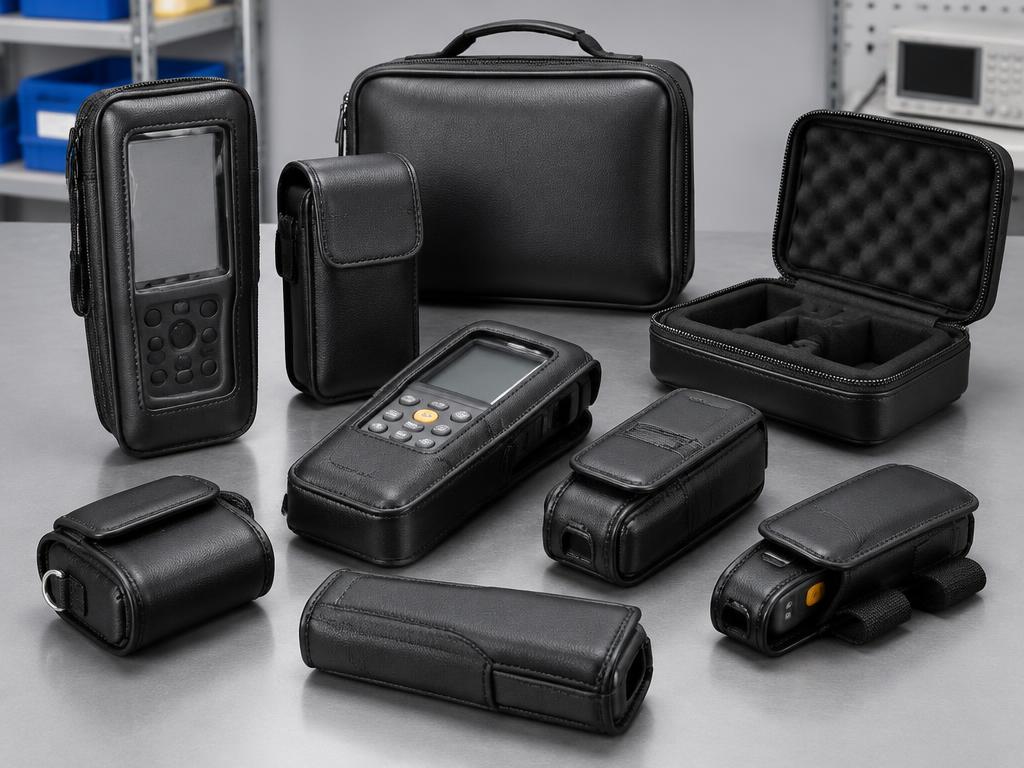
PU Leather Equipment Covers
MOQ 200 pcs · handheld device holster, padded meter case
Equipment & Custom
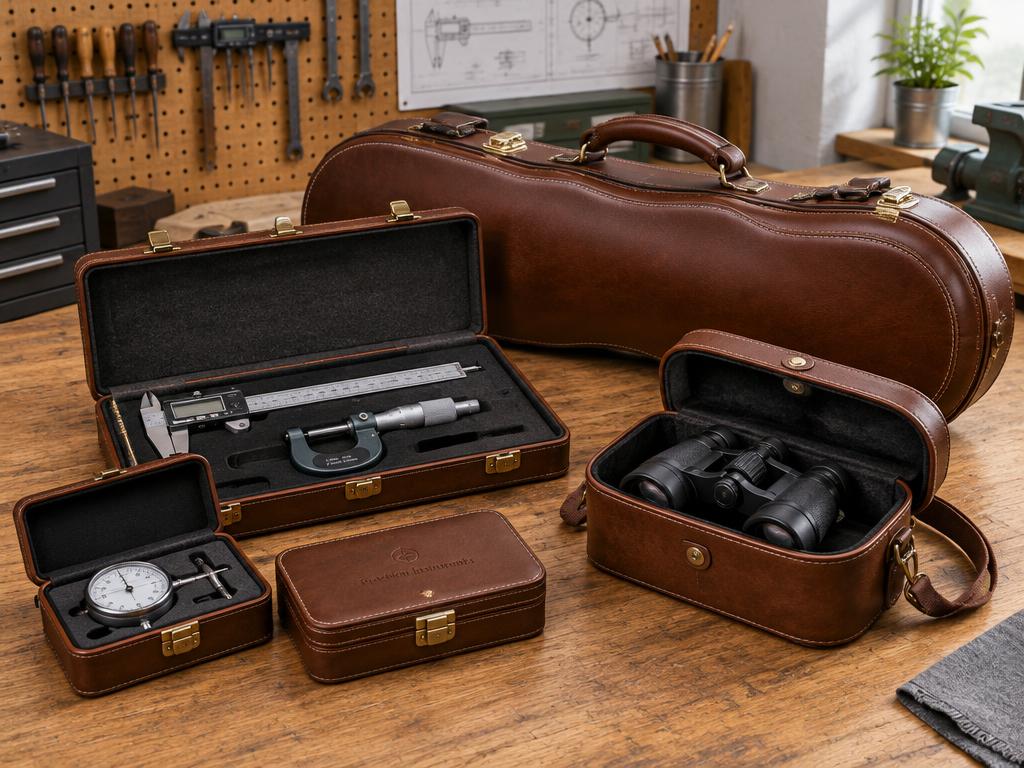
Leather Instrument Cases
MOQ 100 pcs · measuring instrument box, binocular case
Equipment & Custom
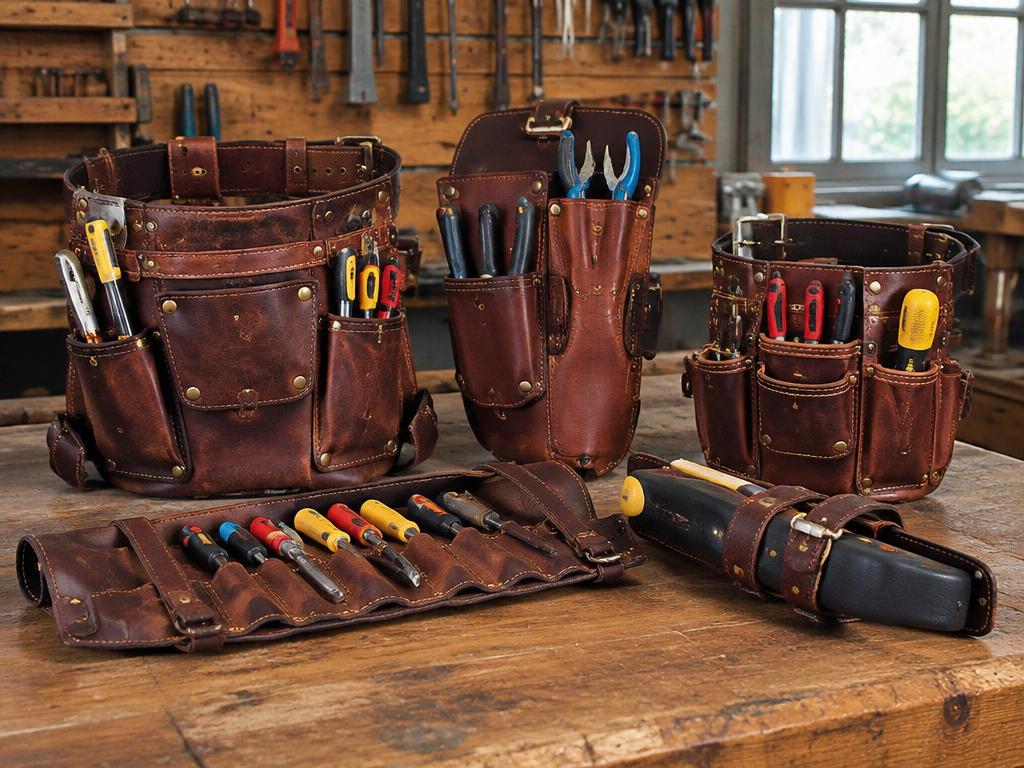
Leather Tool Pouches & Holsters
MOQ 100 pcs · tool belt, tool roll
Equipment & Custom
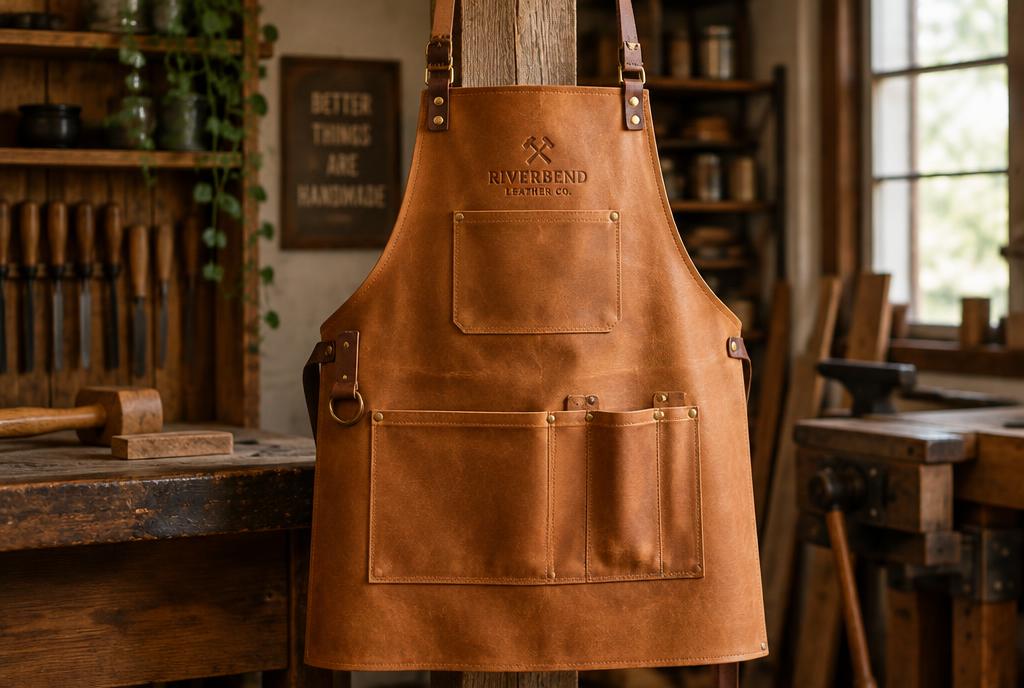
Leather Aprons
MOQ 100 pcs · bib work apron, barista apron
Free quote